
How AI’s Fake War Videos Are Blurring Reality in the Ukraine-Russia Conflict
How AI’s Fake War Videos Are Blurring Reality in the Ukraine-Russia Conflict
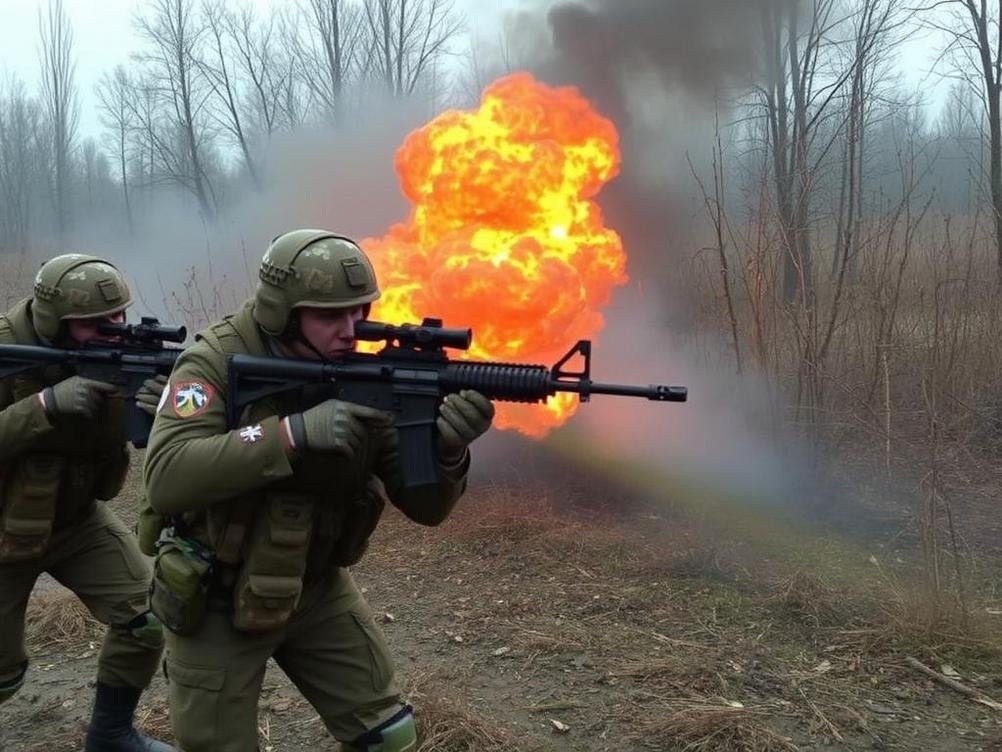
Imagine scrolling through your social feed one evening and stumbling upon a video that looks like it’s straight out of a blockbuster movie – Ukrainian soldiers dodging explosions in gritty, heart-wrenching detail. But here’s the kicker: it’s not real footage from the front lines; it’s cooked up by AI. Yeah, as the Russia-Ukraine war trudges on into its third year, these ultrarealistic AI-generated videos are popping up everywhere, trying to paint pictures of peril and chaos. It’s like the tech world decided to crash the party of global conflicts, and now we’re all left wondering if what we’re seeing is truth or just some clever digital smoke and mirrors.
This isn’t just about flashy tech; it’s about how these videos are messing with our heads, influencing opinions, and even potentially swaying the course of events. Think about it – in a world where misinformation spreads faster than a viral cat video, AI is handing out tools that make fake stuff look legit. From propaganda machines to ethical minefields, we’re diving into how these AI creations are changing the game. I’ve been following this stuff for a while, and it’s wild how something as cool as advanced video tech can turn so dicey. In this article, we’ll unpack the tech, the impacts, and what it all means for us regular folks trying to make sense of the news. Stick around, because by the end, you might just question everything you see online.
What Exactly Are These Ultrarealistic AI Videos?
Okay, let’s start with the basics – these AI videos aren’t your grandma’s Photoshop edits. We’re talking about deepfakes and generative AI tools that can whip up scenes so lifelike, you’d swear they were shot on the ground in Ukraine. I remember the first time I saw one; it was this clip of soldiers in trenches, looking exhausted and under fire, and I had to double-check if it was from a news reel or just some AI experiment gone viral. These videos use machine learning algorithms to generate or manipulate footage, pulling from vast databases of real images and videos to create something new.
The goal? Often, it’s to portray Ukrainian soldiers in dire straits, emphasizing the human cost of the war. But why now? With the conflict dragging on, social media has become a battlefield of its own, and AI is the secret weapon. Tools like those from sites such as RunwayML or even open-source options are making it easier for anyone with a laptop to produce this stuff. It’s kind of funny how AI, which was supposed to help with mundane tasks, is now stirring up international drama. But here’s the thing – while they’re impressive, they’re not perfect, and spotting the flaws can save you from falling for fake news.
To break it down, let’s list out what makes these videos tick:
- They rely on neural networks to learn from existing footage, so if you’ve got a bunch of war videos, AI can remix them into something fresh.
- These aren’t just static images; we’re dealing with full-motion videos that include realistic sounds, facial expressions, and even environmental details like smoke and debris.
- What’s scary is how accessible they are – you don’t need a Hollywood budget; free tools online can do the heavy lifting.
The Tech Behind These AI Creations – It’s Wilder Than You Think
Diving deeper, the technology powering these ultrarealistic videos is straight out of a sci-fi novel. We’re talking about generative adversarial networks (GANs) and diffusion models that pit AI systems against each other to create ultra-convincing fakes. Picture two AI bots: one generates the video, and the other tries to spot the fakes, refining the process until it’s nearly indistinguishable from reality. I once tried playing around with a similar tool myself – not for anything shady, just out of curiosity – and was blown away by how quickly it turned a simple prompt into a mini-movie.
For the Ukraine-Russia war, this means bad actors can generate scenes of soldiers in peril to rally support or spread fear. According to reports from organizations like Bellingcat, which tracks digital misinformation, these videos are becoming more common as AI tech advances. It’s like giving a kid a box of crayons and telling them to redraw history – except the crayons are supercharged and could influence global opinions. And let’s not forget the humor in it; it’s almost like AI is playing dress-up with real-world events, but the punchline could be pretty dark if it leads to real harm.
Here’s a quick rundown of key tech components:
- GANs: These are the backbone, training on massive datasets to generate new content.
- Video synthesis tools: Stuff like ThisPersonDoesNotExist for faces, but scaled up for full scenes.
- Enhancements like audio syncing, which add realistic sounds to make the video even more believable.
How These Videos Are Shaping Public Perception
Now, let’s get to the juicy part: how do these AI videos actually affect the way we see the war? It’s like throwing a wrench into the machinery of public opinion. One video of Ukrainian soldiers looking defeated could sway sympathies, make people question official narratives, or even discourage aid. I mean, who hasn’t shared a shocking video online without a second thought? But when it’s AI-generated, it blurs the line between fact and fiction, potentially amplifying propaganda from either side.
Take, for example, the way social media platforms have been flooded with clips that look like they came from the battlefield but are actually fabricated. Studies from the Brookings Institution show that misinformation can spread six times faster than true information, and AI is supercharging that. It’s not just about the war; it’s about how we trust what we see. Imagine if your favorite news app starts feeding you AI-made content – suddenly, you’re not sure if that heart-wrenching story is real or just designed to go viral. That’s the double-edged sword of this tech; it’s engaging, but it can manipulate emotions in ways we haven’t fully grasped yet.
To put it in perspective, consider these real-world effects:
- They can boost fundraising efforts by evoking empathy, but at what cost if it’s all fake?
- They might deter international support if people think the situation is hopeless based on doctored videos.
- On the flip side, they could expose the horrors of war in a way that traditional media can’t, though that’s a slippery slope.
The Ethical Nightmares These AI Videos Bring Up
Alright, let’s not sugarcoat it – this stuff raises some serious ethical questions. Is it okay to use AI to depict real people in peril, even if it’s for a “greater good” like raising awareness? I often think about how these videos could dehumanize soldiers, turning them into pawns in a digital game. It’s like AI is playing God, creating scenarios that might never have happened, and that’s a bit unsettling. We’ve seen similar issues with deepfakes in politics, where fabricated videos have led to real-world chaos, so why would war be any different?
Experts from organizations like the AI Now Institute warn that without regulations, this could escalate misinformation campaigns. Humor me for a second: it’s as if AI is the ultimate prankster, but instead of pulling harmless jokes, it’s messing with global stability. We need to ask ourselves, who’s accountable when these videos go wrong? The creators, the platforms, or the AI itself? It’s a mess, and as of 2025, we’re still figuring it out.
Here are a few ethical dilemmas worth pondering:
- The risk of psychological harm to viewers who might believe the fabricated peril is real.
- Potential for misuse in other conflicts or even personal vendettas.
- The challenge of balancing free speech with the need to curb dangerous fakes.
Spotting the Fakes: Tips to Stay One Step Ahead
If you’re like me, you’re probably thinking, ‘How do I not get duped by this?’ Well, good news – there are ways to sniff out these AI-generated videos. Start by looking for telltale signs, like unnatural lighting or expressions that don’t quite match the scene. I once caught a fake video because the soldier’s uniform had a weird glitchy edge – it’s those little inconsistencies that give it away. Tools from sites like Invidious can help analyze videos for AI traits, making it easier to verify sources.
But it’s not just about tech; it’s about being savvy. Cross-reference with reputable news outlets and check for metadata that might indicate manipulation. Remember, in the age of AI, a healthy dose of skepticism is your best friend. It’s kind of like being a detective in a mystery novel, piecing together clues to uncover the truth.
Let’s bullet out some practical tips:
- Look for audio-visual mismatches, like lips moving out of sync.
- Verify the source: Is it from a credible journalist or just some anonymous account?
- Use reverse image search tools to see if the content has been circulating elsewhere.
What’s Next? The Future of AI in Conflicts
Looking ahead, AI in warfare imagery is only going to get more sophisticated. By 2026, we might see AI videos that are indistinguishable from reality, which is both exciting and terrifying. Think about how this could evolve – from simple propaganda to tools that help in de-escalation or even peace negotiations. I’ve got a buddy in tech who predicts we’ll have AI-generated simulations for training soldiers, but the flip side is the potential for abuse. It’s like handing out fire: useful for warmth, but dangerous if it gets out of control.
As governments and tech companies scramble to regulate this, we’re at a crossroads. Will we see international agreements to ban AI fakes, or will it become just another tool in the arsenal? Only time will tell, but one thing’s for sure: staying informed is key.
Conclusion
In wrapping this up, the rise of ultrarealistic AI videos in the Ukraine-Russia war shows just how far technology has come – and how much it can complicate things. From blurring the lines between fact and fiction to sparking ethical debates, it’s clear we’re in a new era of information warfare. But hey, let’s not lose hope; with a bit of critical thinking and better regulations, we can navigate this landscape without getting lost in the fakes. Next time you see a shocking video, pause and question it – your informed perspective might just make a difference in how we handle these conflicts moving forward. After all, in a world of AI tricks, being a smart viewer is your superpower.
