dailytech.ai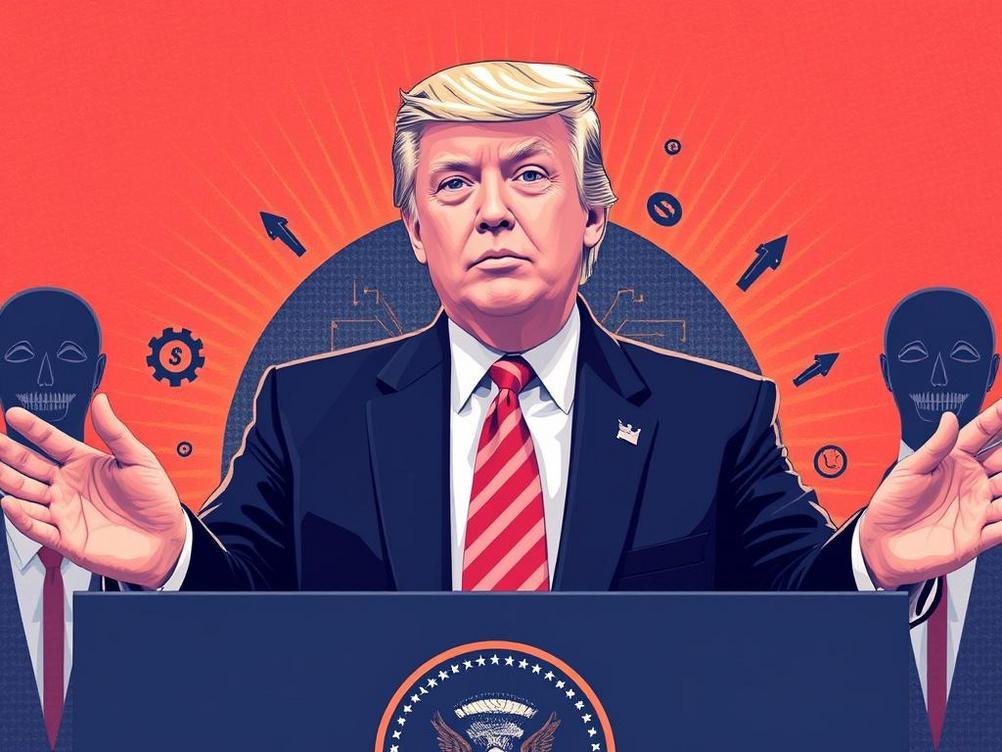
Trump’s Tech Force Shake-Up: 1,000 New Hires for AI and Finance Wizards
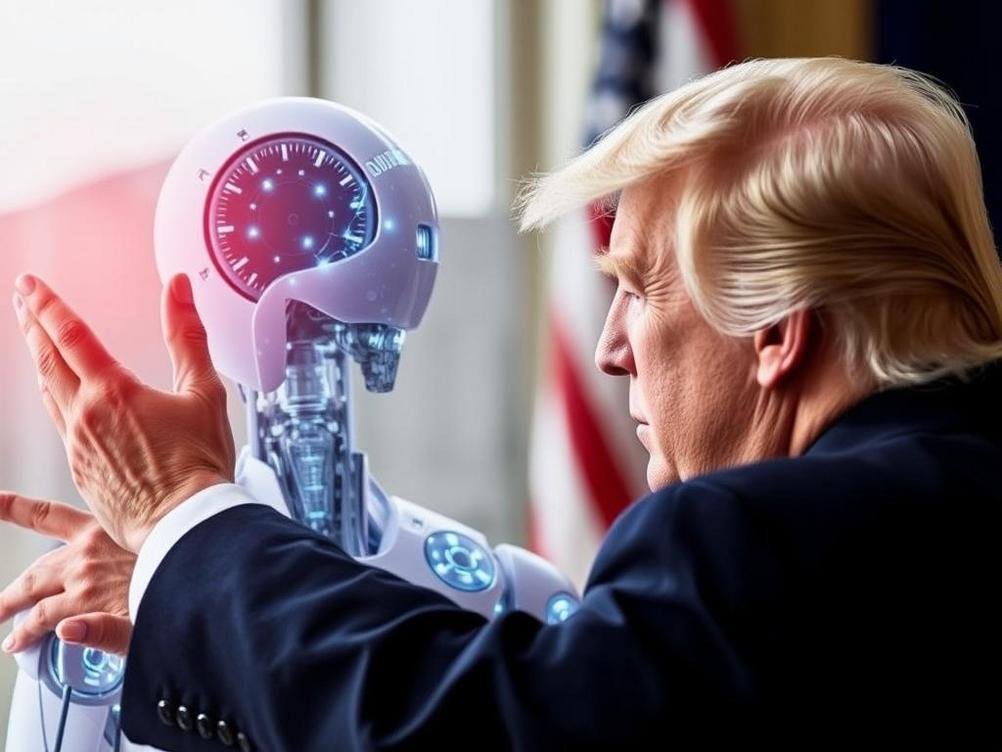
Okay, let’s kick things off with a wild idea: What if the government finally ditched its old-school ways and started acting like a tech startup? Picture this – we’re talking about an administration that’s not just throwing around buzzwords like AI and finance, but actually rounding up 1,000 specialists to make it happen. That’s right, the Trump admin is gearing up to launch this thing called ‘Tech Force,’ and it’s got everyone from Silicon Valley dreamers to Wall Street wonks buzzing. I mean, think about it: in a world where your phone can order pizza with a voice command, why shouldn’t the folks running the country be using cutting-edge tools to handle everything from economic forecasts to cybersecurity? This isn’t just another political headline; it’s a sign that maybe, just maybe, we’re entering an era where tech isn’t just for apps and gadgets, but for real-world problem-solving that could reshape how we live and work.
Now, I’m no crystal ball gazer, but this move feels like a breath of fresh air in Washington. We’ve all seen the memes about government websites that look like they were built in the ’90s – you know, the ones that crash harder than my diet on a Friday night. By bringing in 1,000 experts focused on AI and finance, we’re looking at potential game-changers in areas like job creation, fraud detection, and even making taxes less of a headache. It’s exciting, but also a bit nuts to think about what could go wrong – or hilariously right. From my corner of the internet, this seems like a step toward bridging that gap between innovation and bureaucracy, and I’m here to break it all down for you in a way that doesn’t put you to sleep. Stick around, because we’re diving into the nitty-gritty, with a dash of humor and some real talk on what this means for the future.
What Exactly is This Tech Force Thing?
You know how superheroes have their own squads to tackle world-ending problems? Well, Trump’s Tech Force is kinda like that, but with less capes and more code. Basically, it’s a plan to hire 1,000 specialists – think data wizards, AI nerds, and finance sharpies – to beef up government projects in AI and finance. This isn’t just about filling cubicles; it’s about creating a dedicated team that can dive into big issues like optimizing economic policies or using AI to predict market crashes before they hit. I remember when I first heard about this, I laughed out loud – imagine the IRS getting an AI upgrade! No more endless forms; maybe it’ll start sending you tax tips via emoji.
The idea stems from the need to modernize how the government operates in a tech-driven world. For years, we’ve heard complaints about how slow and outdated federal systems are, and this initiative aims to fix that by pulling in top talent. It’s like giving an old jalopy a high-tech engine – suddenly, it’s not just chugging along; it’s zooming ahead. And let’s be real, with AI evolving faster than my social media feed, having experts on board could mean better decision-making for things like trade deals or even national security. But here’s a fun thought: will these hires be sipping coffee in D.C. offices or remote-working from their home setups? Either way, it’s a bold move that could turn the government’s tech game around.
- Key roles might include AI developers for predictive analytics.
- Finance experts focused on blockchain and crypto regulations.
- Specialists in data security to protect sensitive info.
Why AI and Finance? The Dynamic Duo of the Future
Alright, let’s get to the heart of it: Why pick AI and finance as the main focus for this Tech Force? Well, it’s like asking why people love pizza – it’s versatile, powerful, and can solve a ton of problems. AI is everywhere these days, from recommending your next Netflix binge to helping doctors spot diseases early, and finance is the backbone of the economy. Pairing them up means the government can tackle issues like fraud in banking or use AI to forecast economic trends, potentially saving billions. I mean, wouldn’t it be great if AI could warn us about a recession the way your bank app alerts you about low funds? This initiative is all about leveraging that tech to make finance more efficient and less of a mystery.
Take a real-world example: In the private sector, companies like JPMorgan Chase have already used AI to automate trading and cut down on errors – it’s cut their costs by millions. If the government follows suit, we could see faster responses to financial crises or even smarter tax policies that actually benefit the average Joe. But let’s not gloss over the humor here; imagine an AI algorithm trying to navigate Washington politics – it might just short-circuit from all the red tape! Still, the potential is huge, especially with stats showing that AI could add up to $15.7 trillion to the global economy by 2030, according to McKinsey. If the Trump admin plays this right, it could position the U.S. as a leader in tech innovation.
- AI can analyze vast amounts of financial data in seconds.
- It helps in detecting money laundering, which costs the global economy over $800 billion annually.
- Finance projects might include developing apps for better public access to economic data.
The Hiring Buzz: Who’s Getting the Call and How?
So, how do you round up 1,000 tech-savvy folks for a government gig? It’s not like posting a job on LinkedIn and waiting for resumes to flood in – this is a full-on recruitment drive that sounds more like a talent scout for the next big startup. The Trump admin is likely looking at a mix of veterans from tech giants like Google or finance firms like Goldman Sachs, plus up-and-comers from universities. I can picture the interviews now: ‘So, can you explain blockchain without making me yawn?’ The goal is to build a diverse team that brings fresh ideas to the table, and honestly, it’s about time the government competed with private sector perks like stock options or flexible hours.
From what we’ve heard, the hiring process might involve specialized assessments, background checks, and even hackathons to test skills. It’s reminiscent of how NASA pulled together experts for the moon landing – a no-nonsense approach to getting the best. And with the current job market being as competitive as a Black Friday sale, this could attract a lot of talent tired of corporate grind. Plus, think about the opportunities: These hires could influence policies that affect everything from your retirement fund to how AI regulates jobs. It’s exciting, but let’s keep it real – will they stick around if the bureaucracy gets too stifling?
- Start with online applications for initial screening.
- Follow up with tech challenges or interviews.
- Offer competitive salaries to lure top candidates.
The Bigger Impact: How This Shakes Up the Economy
Let’s zoom out a bit – what does hiring 1,000 specialists for AI and finance really mean for the economy? It’s like adding a turbo boost to an already fast car; we’re talking potential boosts in innovation that could create thousands of jobs indirectly. For instance, if these experts develop AI tools for financial forecasting, it might lead to more stable markets and even encourage investment in underserved areas. I’ve read reports from the World Economic Forum that say AI could create 12 million more jobs by 2025, and this initiative could accelerate that. It’s not just about the hires themselves; it’s about sparking a ripple effect that makes the whole system more efficient.
Take the finance side: Better AI could mean quicker responses to economic downturns, like during the COVID-19 crash, where delays cost trillions. With this Tech Force, we might see proactive measures, such as AI-driven models predicting inflation trends from sources like the World Economic Forum. And on a lighter note, maybe it’ll finally make sense of all those stock market memes we see online. But seriously, if done right, this could position the U.S. ahead of countries like China, which is pouring billions into AI research.
- Economic growth through AI-enhanced financial tools.
- Job creation in related fields like data analysis.
- Improved public services, such as faster loan approvals.
Potential Hiccups and Funny What-Ifs
Nothing’s perfect, right? While this Tech Force sounds awesome, there are bound to be some bumps along the road. For one, integrating AI into government finance could hit snags like privacy concerns or resistance from old-guard officials who still think emails are fancy. I mean, can you imagine an AI bot trying to deal with congressional red tape? It’d probably respond with an error message! Then there’s the funding – where’s all this coming from, and will it actually pan out? We’ve seen tech projects flop before, like that time a big government database launch turned into a viral fail.
But let’s add some humor: What if these specialists end up creating an AI that automates their own jobs? Or worse, what if it starts making policy decisions on its own? On a serious note, challenges like ethical AI use and data bias need addressing, especially with finance involving people’s hard-earned money. Still, if we learn from past mishaps, like the EU’s GDPR regulations as outlined on GDPR.eu, we could avoid pitfalls and make this a success story.
How This Fits into the Wild World of AI Trends
As we wrap up the details, it’s clear this Tech Force is part of a larger AI revolution that’s sweeping the globe. From autonomous cars to personalized medicine, AI is reshaping industries, and finance is no exception. The Trump admin’s move aligns with global trends, like the U.S. investing heavily in AI research through initiatives from the National AI Initiative Office. It’s like jumping on a moving train – if you’re not on board, you’re left behind. This could mean the U.S. leading in AI ethics and applications, influencing international standards.
Personally, I think it’s a smart play in a competitive landscape. Countries like the UK and Canada are already pushing AI in public sectors, and this could give the U.S. an edge. With projections from Statista showing AI spending hitting $200 billion by 2025, getting ahead now makes total sense. It’s all about turning tech hype into real results, and who knows, maybe it’ll inspire more people to get into STEM fields.
Conclusion
In the end, Trump’s plan to hire 1,000 specialists for the Tech Force is more than just a headline – it’s a potential turning point for how AI and finance intersect in government. We’ve covered the what, why, and how, and it’s clear this could lead to smarter policies, economic boosts, and even a few laughs along the way. Whether it’s streamlining finances or preventing the next big crash, this initiative reminds us that innovation doesn’t have to be confined to startups; it can transform the very institutions that run our lives.
As we look ahead, let’s hope this becomes a model for future administrations, proving that with the right mix of tech and talent, we can tackle big challenges head-on. So, here’s to the AI wizards joining the ranks – may they bring some much-needed magic to Washington. What do you think? Will this change the game, or is it just another flash in the pan? Either way, it’s an exciting time to be watching from the sidelines.