dailytech.ai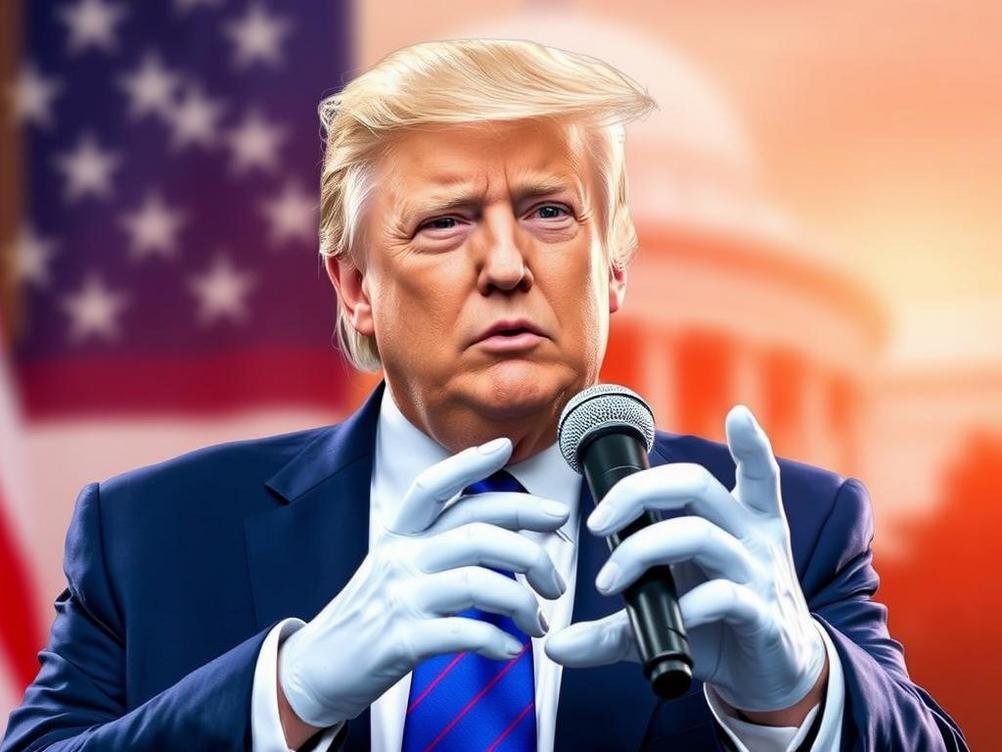
Why Trump’s AI Power Grab Has Lawmakers Freaking Out – And What It Means for Us
Imagine scrolling through your phone one evening, mindlessly chatting with an AI assistant about dinner ideas, when suddenly you hear on the news that the government’s messing with how AI gets regulated. It’s like finding out your favorite recipe app is being controlled by some distant bureaucrat who doesn’t even know what pesto is. That’s basically what’s got a bunch of legislators up in arms over a recent order from former President Trump that’s shaking up AI oversight. You might be thinking, “Wait, why should I care about this political drama?” Well, because AI isn’t just some futuristic gadget anymore—it’s woven into everything from your job searches to your healthcare recommendations. This fuss isn’t just about power plays in Washington; it’s about who gets to decide the rules for technology that could shape our lives for decades. Think about it: if AI systems start making decisions without proper checks, we could be looking at everything from biased algorithms messing with elections to robots taking over jobs faster than you can say ‘unemployment line.’ In this article, we’ll dive into the nitty-gritty of this controversy, unpack why it’s got officials so rattled, and explore what it all means for you and me in our everyday world. It’s a wild ride, full of twists that might just make you rethink how you interact with your smart devices.
What’s the Deal with Trump’s AI Order?
Okay, let’s start at the beginning—or at least where this mess kicked off. Back in the day, Trump issued an executive order that basically tried to centralize control over AI development and oversight, pulling it away from the usual checks and balances. It’s like if your boss decided to handle all the office decisions without consulting anyone else, even if they’re way out of their depth. Legislators are calling it a “hijacking” because it shifts power from independent agencies to the executive branch, potentially bypassing Congress and other oversight bodies that are supposed to keep things fair.
What makes this extra spicy is how it could affect ongoing AI projects. For instance, think about all those federal AI initiatives aimed at things like national security or public health—suddenly, they’re under tighter White House control. It’s not hard to see why folks in Congress are upset; they’re worried this could lead to favoritism or even stifle innovation. And hey, if you’re into history, this isn’t the first time executive orders have ruffled feathers—remember how Obama’s policies on tech privacy got everyone talking? But this one feels more urgent because AI is evolving so fast.
To break it down simply, here are a few key points about the order:
- It prioritizes national interests, which sounds noble but could mean sidelining ethical concerns like data privacy.
- It pushes for faster AI deployment in government, potentially cutting corners on safety reviews.
- It’s raised eyebrows over potential conflicts with international agreements, like those from the EU on AI regulations.
Why Are Lawmakers Losing Their Cool Over This?
You know how parents get when someone messes with their kids’ school rules? That’s kinda how legislators feel about this AI order—it’s their turf, and Trump’s move feels like a big fat intrusion. Reports from various sources, including congressional hearings, show that reps from both sides of the aisle are “greatly disturbed” because it undermines the democratic process. They’re arguing that AI oversight should involve diverse voices, not just one branch of government, to avoid any single agenda dominating the scene.
What’s really got them fired up is the risk of abuse. Imagine if AI systems used for surveillance or decision-making get skewed towards one political view—that’s a recipe for disaster. A study from the Brookings Institution highlighted how centralized control can lead to biases, pointing out examples like facial recognition tech that’s been criticized for racial inaccuracies. It’s like putting a fox in charge of the henhouse; lawmakers are terrified that without proper oversight, we could end up with AI that serves narrow interests instead of the public good.
And let’s not forget the humor in all this—it’s almost comical how politicians, who can’t agree on anything, are suddenly united in their outrage. But seriously, this could set a precedent that affects future administrations. For more on how this plays into broader policy, check out Brookings’ research on AI governance—it’s a goldmine of insights.
The Wild World of AI Oversight: A Quick History Lesson
If you rewind the clock, AI oversight has always been a bit of a rollercoaster. We’ve gone from early sci-fi warnings in the 1950s to today’s real-world applications, and along the way, governments have scrambled to keep up. Trump’s order is just the latest twist in this saga, but it’s reminding us how oversight has evolved from vague guidelines to structured frameworks. It’s like watching a movie sequel that nobody expected—exciting, but full of plot holes.
Take the EU’s AI Act, for example; it’s a comprehensive set of rules that puts the brakes on risky AI uses, and it’s been a model for many countries. In the U.S., we’ve had attempts like the AI Initiative under Obama, which emphasized collaboration. Trump’s approach? It’s more about speed and control, which might work for some tech boosters but leaves experts scratching their heads. Statistics from a 2024 Gartner report show that 75% of organizations see regulatory uncertainty as a major barrier—proving that without balanced oversight, innovation could stall.
- Key milestones include the 2016 AI National Security Commission, which pushed for ethical guidelines.
- Recent polls indicate that 60% of Americans want stricter AI laws, according to a Pew Research survey from last year.
- This order could disrupt that momentum, potentially delaying global standards.
The Upsides and Downsides: Is This a Good or Bad Thing?
Alright, let’s play devil’s advocate for a sec—Trump’s order isn’t all doom and gloom. On the flip side, centralizing AI oversight could speed things up, like getting a project greenlit without endless red tape. It’s almost like that friend who cuts through bureaucracy to get stuff done, but you worry they might forget the details. For industries like defense, this could mean quicker advancements in tech that keeps us safe, such as AI-powered drones for monitoring borders.
But here’s where it gets tricky: the downsides are pretty hefty. We’re talking about risks like algorithmic bias seeping into public services, which could disproportionately affect marginalized groups. Remember the controversy over AI in hiring tools that favored certain demographics? Stories like that, reported by Wired, show how unchecked power can lead to unfair outcomes. And let’s add a dash of humor—it’s like giving a kid the keys to a candy store and expecting them not to overindulge.
To weigh the pros and cons:
- Pros: Faster innovation and national security boosts.
- Cons: Potential for reduced transparency and ethical slip-ups.
- Neutral: It might push for more U.S.-led AI standards, influencing global tech.
How This Shakes Up Your Daily Life
Now, you might be wondering, “How does this affect me, sitting here with my coffee?” Well, more than you’d think. If AI oversight gets hijacked, it could impact everything from the ads you see on social media to the medical advice your doctor gets from AI tools. Imagine your health app suddenly prioritizing data based on political whims—that’s not just annoying; it’s dangerous. This order could lead to looser privacy laws, meaning your data might be shared more freely without your say-so.
Real-world examples abound: think about how AI is already used in credit scoring or job applications, and how biases there have caused lawsuits. A 2023 report from the ACLU pointed out that flawed AI in law enforcement has led to wrongful arrests. It’s a reminder that when oversight falters, we all pay the price. Plus, with AI creeping into education and entertainment, like personalized learning apps or streaming recommendations, this could mean less diversity in what we consume.
- Daily impacts: Your search results might get filtered through a narrower lens.
- Long-term effects: Could slow down advancements in fields like climate tech if regulations bog down.
- What you can do: Stay informed and support advocacy groups pushing for balanced AI policies.
What’s Next on the Horizon for AI Regulation?
Looking ahead, this controversy is probably just the tip of the iceberg. With Biden’s administration already tweaking AI policies, we might see a backlash that leads to more robust laws. It’s like a game of ping-pong, with each side volleying for control. Experts predict that by 2026, we could have federal AI legislation that addresses these gaps, drawing from international models to create a safer framework.
But let’s not get too optimistic—there are hurdles, like partisan divides and tech lobbyists. If Trump’s order sets a precedent, future leaders might keep grabbing for power, which could fragment global efforts. For a deeper dive, check out the White House’s AI Bill of Rights, which outlines principles for ethical AI use. In the end, it’s about finding that sweet spot between innovation and protection.
Conclusion
Wrapping this up, the uproar over Trump’s AI order shows just how high the stakes are in the world of technology and politics. We’ve seen how it’s got legislators fired up, the historical context that led here, and the real impacts on our lives. It’s a reminder that AI isn’t some abstract concept—it’s shaping our future, and we need to demand oversight that’s fair, transparent, and inclusive. So, next time you use an AI tool, think about who’s pulling the strings behind it. Let’s push for smarter regulations that keep innovation rolling without sacrificing our rights. After all, in this crazy tech-driven world, staying vigilant might just be the best hack we’ve got.