dailytech.ai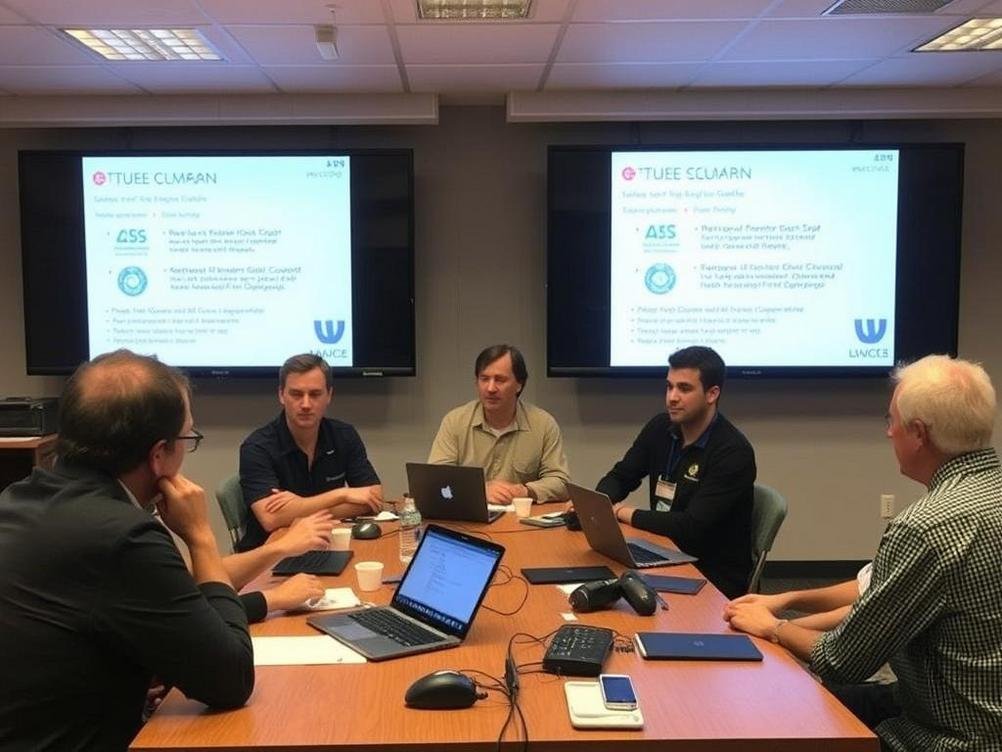
What Really Went Down When New Hampshire Reps Met AI Developers: Tools, Fears, and a Few Laughs
Imagine this: a room full of sharp-suited politicians from New Hampshire shaking hands with tech whizzes who probably spent the morning debugging code over coffee. That’s basically what happened in this recent meetup where reps dove headfirst into the world of AI tools and all the baggage that comes with them. You know, it’s one of those moments that makes you think, ‘Hey, is AI really going to solve our problems or just add more to the pile?’ I mean, we’re talking about stuff that could revolutionize everything from healthcare to daily chores, but let’s face it, there are some serious red flags waving around. This meeting wasn’t just chit-chat; it was a deep dive into how AI is shaping up in our neck of the woods, and why folks in New Hampshire are paying attention.
Picture the scene: developers pitching their latest gadgets, like AI that can predict weather patterns or streamline government paperwork, while the reps are grilling them on privacy nightmares and job losses. It’s hilarious in a way—sort of like watching your grandma try to figure out TikTok for the first time. But underneath the awkwardness, there’s real meat here. AI isn’t some sci-fi dream anymore; it’s knocking on our doors, and meetings like this one are the first line of defense. We’re at a crossroads where innovation meets caution, and New Hampshire’s reps are stepping up to ask the tough questions. What if we get it wrong? Could AI tools make life easier or turn into a headache no one saw coming? From what I’ve gathered, this powwow highlighted some eye-opening insights that could ripple out to the rest of us. Stick around as we unpack the juicy details, the potential pitfalls, and why this stuff matters more than your next Netflix binge. After all, if AI’s going to be part of our future, we might as well laugh about it while we figure it out.
Why This Meeting Was a Big Deal in the First Place
You might be wondering, ‘Why should I care about a group of suits and coders huddling in New Hampshire?’ Well, it’s not every day that state reps roll up their sleeves to chat with AI developers, but this one had some serious stakes. Think of it as a reality check for AI’s role in everyday governance. These meetings aren’t just about tech demos; they’re about bridging the gap between cutting-edge innovation and the folks who make the rules. New Hampshire reps were basically saying, ‘Show us what you’ve got, but don’t forget about the humans in the equation.’
It all started with a mix of curiosity and caution. Reps wanted to see firsthand how AI tools could spruce up things like public services or economic planning, but they weren’t naive about the risks. I mean, who wouldn’t be a bit skeptical? We’ve all heard stories about AI gone wrong, like that time a chatbot turned into a wild conspiracy theorist. The developers brought in demos of AI that could analyze data faster than you can say ‘bacon and eggs,’ which got everyone excited. But as we’ll see, it wasn’t all smooth sailing.
- Key takeaway: These gatherings highlight how AI can influence policy decisions, making sure tech doesn’t outpace regulation.
- Real-world example: Just look at how cities like Boston have used AI for traffic management—it’s a win, but only if done right.
- Fun fact: Did you know that AI tools are already helping farmers in New Hampshire predict crop yields? It’s like having a crystal ball, but with algorithms.
The AI Tools That Stole the Show
Alright, let’s get to the good stuff—what AI tools were actually on the table? From what leaked out of that meeting, developers showcased a bunch of practical applications that sounded straight out of a futurist’s daydream. We’re talking about AI for predicting natural disasters, automating administrative tasks, and even tools that could make healthcare more accessible. It was like a tech fair, but with more questions than answers. One developer even demoed an AI that could sift through mountains of data to spot trends in state budgets—pretty nifty, if you ask me.
But here’s where it gets interesting: not all AI is created equal. Some tools were basic, like chatbots for customer service, while others were more advanced, such as predictive analytics software. The reps were all ears, probing about reliability and scalability. Imagine trying to explain to a room full of non-techies how an AI model works—it’s like teaching a cat to fetch. They discussed integrations with existing systems, and everyone agreed that tools from companies like OpenAI (openai.com) could be game-changers if adapted properly.
- Top tools mentioned: AI for data analysis, predictive modeling, and even virtual assistants for government offices.
- Why it matters: These aren’t just gadgets; they could save time and money, like how AI helped cut down processing times in other states by 30%.
- A humorous aside: One rep joked that if AI can handle paperwork, maybe it could also deal with traffic tickets—fingers crossed for that!
The Concerns That Kept Everyone Up at Night
Nobody’s saying AI is all rainbows and unicorns, and this meeting didn’t shy away from the downsides. The reps were quick to point out privacy issues, like how AI tools gobble up data and what happens if it falls into the wrong hands. It’s a valid fear—we’re living in an era where data breaches are as common as bad weather. Developers had to defend their creations, explaining encryption and safeguards, but let’s be real, it’s a tough sell when people are worried about Big Brother vibes.
Then there’s the job displacement angle. If AI starts doing the work of humans, what happens to the workforce? The discussion got heated, with stats thrown around like how automation could affect up to 20% of jobs in certain sectors. It’s not just about losing gigs; it’s about retraining and adapting. One developer quipped that AI might take jobs, but it could also create new ones, like AI ethics consultants—who knew that was a thing?
- Major concerns: Data privacy, potential biases in AI algorithms, and the ethical use of technology.
- Statistics to chew on: A recent study showed that 75% of Americans are concerned about AI’s impact on privacy, according to Pew Research (pewresearch.org).
- Light-hearted take: If AI starts making decisions, let’s hope it doesn’t have a bad day and glitch out like my old laptop.
How This Could Change Everyday Life in New Hampshire
Okay, so what does all this mean for the average Joe in New Hampshire? Well, if these AI tools get the green light, we could see some cool changes, like smarter public services or even better environmental monitoring. Think about it: AI could help track pollution in the White Mountains or optimize energy use in homes. But it’s not just pie in the sky; the meeting emphasized making sure these benefits trickle down to real people without leaving anyone behind.
On the flip side, there’s the potential for inequality. Not every town has the tech infrastructure to handle advanced AI, so reps pushed for equitable access. It’s like trying to share a slice of pizza—everyone wants a piece, but you’ve got to make sure it’s fair. Developers shared examples from places like California, where AI has improved emergency responses, and suggested similar applications here.
- Potential impacts: Faster emergency services, better education tools, and even AI-driven tourism boosts for the state’s natural spots.
- Real-world insight: In Singapore, AI has reduced traffic congestion by 15%, showing what’s possible with the right setup.
- My two cents: If AI can make commuting less of a nightmare, I’m all in—who wouldn’t want that?
Lessons We Can Learn from This Tech-Politics Mashup
Every meeting like this leaves behind some golden nuggets of wisdom, and this one was no exception. One big lesson? Collaboration is key. When politicians and tech folks team up, you get a balanced view that keeps innovation in check. It’s like mixing oil and vinegar—they don’t always blend, but when they do, it’s magic. The reps learned that AI isn’t an enemy; it’s a tool that needs guardrails.
Another takeaway: Transparency matters. Developers stressed the importance of open-source AI where possible, so everyone can see how it works. It’s about building trust, especially in a state like New Hampshire where community values run deep. If there’s one thing we can all agree on, it’s that rushing into tech without thinking it through is a recipe for disaster.
- Key lessons: Foster partnerships, prioritize ethics, and invest in education for AI literacy.
- Examples: EU regulations on AI have set a precedent for balancing innovation and safety, which could inspire U.S. policies.
- Humor alert: Let’s hope the next meeting includes coffee breaks—because who can debate AI on an empty stomach?
What’s Next on the Horizon for AI and Regulation?
So, where do we go from here? The meeting wrapped up with talks of follow-ups, potential legislation, and more dialogues. It’s clear that New Hampshire isn’t sitting back; they’re eyeing ways to regulate AI without stifling creativity. Think of it as setting speed limits on a highway—necessary to prevent crashes, but not so strict that it stops the fun.
Developers promised to refine their tools based on feedback, and reps hinted at forming task forces. With AI evolving faster than fashion trends, staying ahead is crucial. We might see bills on the table soon that address everything from data protection to AI in elections. It’s an exciting time, full of possibilities and, yeah, a few what-ifs.
- Future steps: More meetings, public consultations, and possibly new laws by 2026.
- Global context: Countries like the UK are already pushing AI safety frameworks, as seen on their government site (gov.uk/ai).
- Personal thought: If we play our cards right, AI could be the sidekick we’ve always needed, not the villain.
Conclusion: Wrapping It Up with a Forward Look
As we close the book on this New Hampshire AI saga, it’s clear that meetings like these are just the beginning of a bigger conversation. We’ve seen the potential of AI tools to transform lives, but also the very real concerns that come with them. It’s a reminder that technology doesn’t have to be scary if we approach it with open eyes and a sense of humor. From privacy woes to job shifts, the reps and developers laid a solid foundation for what’s next.
What inspires me most is how this event shows that people are stepping up to shape AI’s future, rather than letting it happen to them. Whether you’re in New Hampshire or elsewhere, it’s a call to get involved—ask questions, stay informed, and maybe even laugh at the absurdities along the way. Who knows? In a few years, we might all be toasting to AI as our helpful neighbor, not our mysterious overlord. Let’s keep the dialogue going and make sure the tech we build today serves us tomorrow.