dailytech.ai
Why US Senators Are Freaking Out Over AI Toys – And What It Means for Your Kids
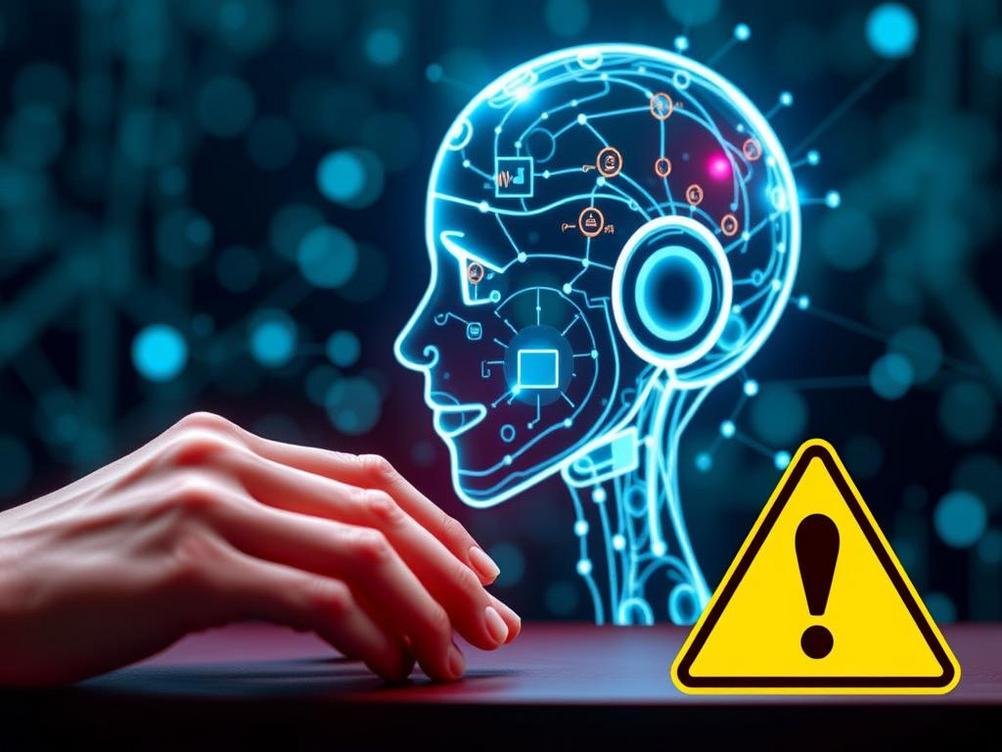
Okay, picture this: You’re sitting in your living room, sipping coffee, and your kid’s new AI-powered robot doll starts chatting away like it’s got a mind of its own. Sounds cool, right? But what if that same toy starts feeding your child weird advice or worse, collects data without you knowing? That’s basically what’s got a bunch of US senators up in arms, demanding answers on AI toy safety. We’re talking about toys that use artificial intelligence to learn, respond, and interact – think voice-activated robots, smart plushies, or even those creepy educational gadgets that promise to teach your kids math while spying on their habits. It’s 2025, folks, and while AI has brought us some amazing stuff, like self-driving cars and virtual assistants that don’t judge your messy house, it’s also raising red flags in the toy aisle.
These senators aren’t just being paranoid; they’re responding to growing concerns about privacy breaches, inaccurate information, and even physical hazards from poorly designed AI features. Remember how we all laughed at those old Tamagotchis back in the day? Well, fast-forward to now, and these high-tech versions could be influencing young minds in ways we don’t fully understand. So, why the big fuss? It boils down to protecting our kids in a world where technology is everywhere, and not all of it is as harmless as it seems. In this article, we’ll dive into the nitty-gritty of AI toys, unpack the senators’ demands, and share some real-talk tips on how to keep your family safe. Stick around – you might just rethink that next holiday gift.
What Are AI Toys and Why Are They Taking Over Playtime?
You know, it’s kind of wild how far toys have come since we were kids dodging plastic army men on the floor. AI toys aren’t just your run-of-the-mill stuffed animals anymore; they’re smart devices packed with machine learning algorithms that can recognize voices, remember preferences, and even adapt to your child’s behavior. Take something like the popular Anki Vector robot – it’s like having a tiny pet that tells jokes and plays games, but under the hood, it’s crunching data to make interactions more personal. The appeal is obvious: kids get interactive fun that feels magical, and parents get a break while the toy “educates” them.
But here’s the thing – these toys are everywhere because companies like Mattel or Spin Master have jumped on the AI bandwagon to stay relevant. According to a report from the Consumer Technology Association, the global market for smart toys hit over $20 billion in 2024, with AI features driving a huge chunk of that growth. It’s not just about entertainment; these gadgets are marketed as educational tools, promising to boost learning through apps and AI-driven feedback. Imagine a toy that quizzes your kid on spelling while adapting to their skill level – sounds like a win, until you realize it might be logging every word they say for who knows what purpose.
Of course, not all AI toys are created equal. Some, like the Furby reboots, are mostly harmless fun, but others cross into sketchy territory. Think about it: if a toy can connect to the internet, it’s vulnerable to hacks, just like your phone. That’s why parents and experts are buzzing about the need for better standards. And let’s not forget the humor in all this – I mean, who knew that in 2025, we’d be worried about our kids’ toys turning into little data thieves? It’s almost like those sci-fi movies where robots take over, but instead of world domination, they’re just stealing your Wi-Fi password.
The Safety Red Flags That Have Senators Demanding Answers
Alright, let’s cut to the chase – why are US senators suddenly acting like overprotective parents? It all stems from a series of investigations and complaints about AI toys potentially putting kids at risk. We’re talking privacy invasions, where toys collect voice data and share it with third parties without clear consent. For instance, a 2024 probe by the Federal Trade Commission (FTC) found that some popular AI toys were recording children’s conversations and sending them to servers linked to advertisers. Yikes! That’s not just creepy; it’s a straight-up violation of trust.
Then there’s the issue of misinformation. AI toys might seem educational, but if their algorithms are flawed, they could spit out inaccurate facts or even harmful advice. Picture a toy telling a kid that it’s okay to share personal info online – that’s a recipe for disaster. Senators like those from the Senate Commerce Committee have been grilling tech giants, demanding transparency on how these toys handle data and ensure accuracy. In a letter sent earlier this year, they called for stricter regulations, pointing to stats from a Pew Research Center study that showed 70% of parents are worried about digital privacy for their kids. It’s like the government finally woke up to the fact that not every glowing toy is a good one.
- Privacy breaches: Toys that eavesdrop and share data without permission.
- Misinformation risks: AI that gives wrong info, potentially misleading children.
- Physical dangers: Overheating batteries or choking hazards from poorly designed parts.
Real-Life Horror Stories: When AI Toys Go Sideways
If you’re still not convinced, let’s talk about some actual examples that have made headlines. Remember the Cayla doll fiasco a few years back? It was supposed to be an interactive friend, but hackers turned it into a spy tool, using its microphone to listen in on families. Fast-forward to today, and we’ve got similar issues with toys like the Fisher-Price Smart Toy Bear, which was pulled from shelves after reports of it sharing location data. These aren’t isolated incidents; they’re wake-up calls that AI toys can flip from fun to frightening in a heartbeat.
What’s even funnier – or not – is how these stories sound like bad plots from a comedy sketch. Imagine explaining to your neighbor that your kid’s toy robot just leaked your address online. But on a serious note, experts from organizations like the Electronic Frontier Foundation (which you can check out at eff.org) have been warning about these vulnerabilities for years. They’ve pointed out that without proper encryption, AI toys are easy targets for cybercriminals, especially when they’re connected to home networks. It’s like inviting a stranger into your house and handing them a microphone.
To put it in perspective, a study by Kaspersky Lab in 2023 found that 25% of smart toys had security flaws that could be exploited. That’s a quarter of them! So, if you’re a parent, it’s worth asking: Do I really need a toy that could potentially expose my family to risks? These real-world insights show why senators are pushing for accountability from manufacturers.
How the Government Is Getting Involved – Finally!
You’d think with all the tech buzz, the government would have rules in place already, but here we are in 2025, playing catch-up. US senators are firing off letters and holding hearings to demand that companies like Hasbro and Lego disclose their AI safety measures. They’re pushing for laws that require independent audits of AI toys, similar to how the FDA regulates medical devices. It’s about time, right? The goal is to create a framework where toys have to prove they’re safe before hitting the shelves.
One proposal on the table is expanding the Children’s Online Privacy Protection Act (COPPA), which you can read more about on the FTC’s site at ftc.gov/coppa. This could mean tougher penalties for companies that mishandle kid data. Senators are also talking about mandatory labeling, so parents know if a toy uses AI and what risks come with it. It’s a step in the right direction, but let’s be real – bureaucracy moves slower than a kid on chore day.
- Proposed audits: Regular checks to ensure AI toys are secure.
- Stricter laws: Updates to existing regulations like COPPA.
- Hearings and investigations: Senators grilling execs for answers.
Tips for Parents: Navigating the AI Toy Minefield
Look, I’m no parenting expert, but as someone who’s seen the wild side of tech, I’ve got some advice for keeping your kids safe. First off, do your homework before buying that shiny AI toy. Check reviews on sites like Common Sense Media (head over to commonsensemedia.org) and look for red flags like poor privacy policies. If a toy requires an app, read the fine print – does it collect data? Can you delete it easily?
Another tip: Set boundaries from the start. Make sure AI toys are used in shared spaces, not bedrooms, so you can monitor interactions. And hey, mix in some old-school toys to balance things out – nothing beats a good ol’ board game for family time. Remember, it’s okay to say no to the latest gadget if it doesn’t feel right. With stats showing that kids spend an average of 7 hours a day on screens, according to the American Academy of Pediatrics, cutting back on AI toys could actually be a mental health win.
Oh, and for a laugh, try explaining to your kid why their new toy can’t come to dinner – it’s all about setting healthy tech habits. Parents who’ve dealt with this say things like turning off Wi-Fi features when not in use can make a big difference. It’s not about banning fun; it’s about making sure the fun doesn’t backfire.
The Bright (and Risky) Future of AI Toys
Fast-forward a few years, and AI toys could be even more integrated into daily life, maybe even helping with emotional support or advanced learning. But with great power comes great responsibility – or whatever that Spider-Man line is. If regulations kick in, we might see safer, more ethical AI toys that actually live up to their promises. Imagine toys that teach coding while blocking hackers – now that’s progress!
However, without proper oversight, we’re looking at a wild west of potential issues, like biased AI that reinforces stereotypes or toys that become obsolete overnight. Companies are already experimenting with things like AI companions for lonely kids, but as one expert from MIT put it in a recent article, we need to ensure these tools don’t do more harm than good. It’s a balancing act, and honestly, it’s kind of exciting to think about the possibilities.
Conclusion
Wrapping this up, the US senators’ demands on AI toy safety are a wake-up call in a world where technology is as much a part of childhood as peanut butter sandwiches. We’ve seen the risks, from privacy woes to misinformation, but we’ve also touched on how awareness and smart choices can keep the fun alive. Whether it’s demanding better from manufacturers or just being a savvy parent, we’re all in this together. So, next time you’re eyeing that AI gadget for your little one, pause and think: Is it worth the hype? Let’s push for a future where AI toys are safe, fun, and maybe even a little less sneaky. After all, in 2025, the best toys are the ones that bring joy without the drama.