dailytech.ai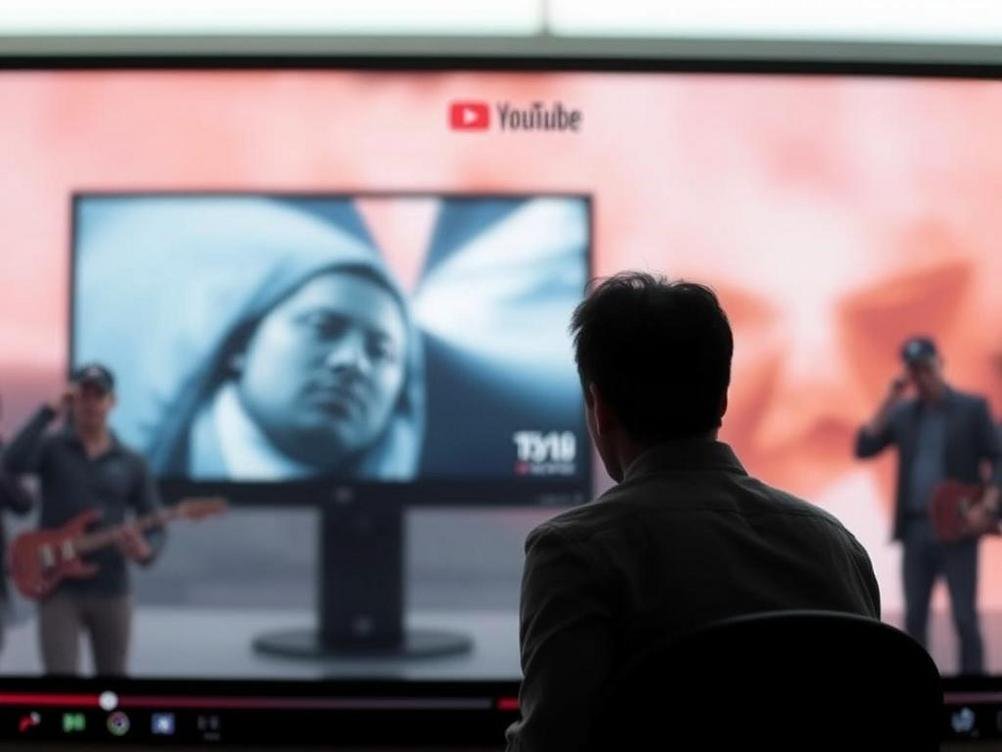
YouTube’s Epic Takedown of AI-Generated Fake Movie Trailers – What It Means for Your Watchlist
Imagine scrolling through YouTube late at night, coffee in hand, and stumbling upon a trailer that looks way too good to be true. It’s for that movie you’ve been dying to see, but wait – is this real? Turns out, it’s not, and YouTube’s just dropped the hammer on channels pumping out these AI-crafted fakes that fooled millions. We’re talking about slick edits of nonexistent sequels, celebrity cameos that never happened, and plots so wild they make your head spin. It’s like the internet’s version of a magic trick gone wrong, and now the platform is saying, ‘Enough is enough.’ But why now? And what does this mean for us, the viewers and creators who live for that next viral hit? If you’ve ever shared a dodgy trailer thinking it was legit, you’re not alone – it’s happened to the best of us. This crackdown isn’t just about policing content; it’s a wake-up call in the wild world of AI, where the line between real and fake is blurrier than a bad dream. Think about it: in 2025, with AI tools like those from Midjourney or Runway ML churning out hyper-realistic videos faster than you can say ‘cut,’ we’re all at risk of falling for the next big hoax. This story dives into the mess, the laughs, and the lessons, showing how YouTube’s move could reshape entertainment as we know it. Stick around, because by the end, you’ll be rethinking that suspicious video in your feed – and maybe even chuckling at how AI’s trying to play director.
What Exactly Went Down on YouTube?
Okay, let’s break this down without getting too bogged down in the tech jargon. YouTube recently went on a spree, nuking channels that were using AI to whip up fake movie trailers. We’re talking about videos that racked up millions of views – think trailers for fake Marvel crossovers or Star Wars epics that never got greenlit. It all started when users started calling out the fakes, and YouTube’s team finally stepped in, citing violations of their policies on misleading content and copyright. It’s like the platform woke up one day and said, ‘Whoa, we can’t have people tricking folks into thinking Spider-Man is teaming up with, I don’t know, a cartoon cat from the 80s.’ From what I’ve read on sources like The Verge (which has a great breakdown at https://www.theverge.com), this isn’t the first time AI’s caused a stir, but it’s one of the biggest takedowns yet.
What’s funny is how these channels got so popular in the first place. They’d use free AI tools like those from DeepArt or even basic ones in Adobe tools to mash up existing footage, add some snazzy voiceovers, and boom – instant viral content. But here’s the rub: while it’s entertaining, it’s also a headache for real studios. Imagine pouring millions into a blockbuster only to have some AI whiz kid steal the spotlight with a phony version. YouTube’s response was swift, with channels getting the boot and videos vanishing overnight. It’s a reminder that even in the fun house of the internet, there are rules – and breaking them can lead to a digital exile.
- Key players involved: Mostly smaller creators using AI generators, but some had massive followings.
- Scale of the issue: Millions of views meant real money from ads, which is probably why YouTube cracked down.
- What got them flagged: Stuff like deceptive titles, manipulated thumbnails, and content that mimicked official releases.
Why Fake AI Trailers Are More Than Just a Harmless Joke
You might think, ‘Hey, it’s just a fake trailer – what’s the big deal?’ Well, let me tell you, it’s like letting a fox guard the henhouse. These AI-generated fakes don’t just waste your time; they mess with the whole entertainment ecosystem. For starters, they can spread misinformation faster than a wildfire on a dry summer day. Remember that time a fake trailer for a ‘Squid Game’ sequel had everyone buzzing? People started theorizing online, only to find out it was all made up. It’s annoying, sure, but it also erodes trust in what we see online. And for the creators behind the real deals, like Disney or Warner Bros., it’s a nightmare because it confuses fans and potentially hurts box office numbers.
Then there’s the ethical side – AI tools are gobbling up data from real actors and films without permission, which feels a bit like theft. It’s why groups like the SAG-AFTRA union have been vocal about protecting intellectual property (you can check their stance at https://www.sagaftra.org). On a lighter note, though, these fakes can be hilariously bad when the AI gets it wrong, like when a celebrity’s face ends up looking more like a melted candle. But overall, it’s a wake-up call that AI isn’t just a cool toy; it’s a powerful force that needs some guardrails.
- Real-world impact: Fans might skip the actual movie thinking they’ve seen it all.
- Financial toll: Creators lose ad revenue, and studios deal with brand dilution.
- Humor angle: Some fakes are so over-the-top they become meme gold, like that AI-generated Batman voice that sounds like a robot with a cold.
The Wild Rise of AI in the Entertainment World
AI’s been creeping into entertainment for years, and honestly, it’s kind of awesome – until it’s not. Think about how Netflix uses AI to recommend shows that feel eerily spot-on, or how TikTok’s algorithms keep you hooked for hours. But when it comes to creating content, AI’s like that overeager intern who wants to direct the whole show. Tools like OpenAI’s DALL-E for images or even ElevenLabs for voice cloning have made it dirt cheap to produce trailers that look professional. By 2025, it’s estimated that over 50% of online video content involves some form of AI, according to reports from Statista (see https://www.statista.com). It’s exciting, but it’s also opened the door to these fake trailers that blur reality.
What’s really fascinating is how AI learns from existing media. It scours databases full of movies and TV shows, then spits out something new – or at least, something that seems new. But as a viewer, you’re left wondering, ‘Is this the real deal or just AI’s idea of fun?’ It’s like watching a cover band play your favorite song; it might sound good, but it’s not the original artist. And let’s not forget the creative side – real filmmakers are using AI to experiment, but the fakes are stealing the spotlight and making it harder for genuine innovation to shine.
How YouTube’s Policies Are Stepping Up to the Plate
YouTube isn’t messing around anymore, and their updated policies are a game-changer. They’ve always had rules against spam and deception, but now they’re specifically targeting AI-generated content that misleads viewers. It’s like the platform finally put on its big kid shoes and said, ‘We’re not just a video dump; we’re a responsible part of the internet.’ In their community guidelines (which you can read at https://www.youtube.com/communityguidelines), they emphasize labeling AI content and removing anything that’s outright fraudulent. This crackdown is part of a broader trend, with platforms like TikTok and Instagram doing similar things to curb deepfakes.
From a practical standpoint, creators now have to be more transparent. If you’re using AI, slap a disclaimer on it – something like, ‘This is AI-made, folks, don’t get too excited.’ It’s a smart move, but it also means YouTube’s algorithms are getting savvier at detecting fakes, which could lead to more false positives. Imagine your harmless fan edit getting flagged because it used a touch of AI enhancement. Still, it’s a step in the right direction for keeping things honest.
- First offense: Warning or video removal.
- Repeated violations: Channel strikes or permanent bans.
- Best practice: Always disclose AI use to avoid trouble.
Lessons Every Creator Should Learn from This Mess
If you’re a content creator, this YouTube saga is like a neon sign flashing ‘Don’t do this!’ First off, originality matters more than ever. Sure, AI can speed things up, but if you’re just regurgitating fake trailers, you’re playing with fire. Take a page from successful YouTubers like MrBeast, who use AI for effects but always keep it real and fun. The key is to blend tech with your own creativity, so your content stands out without tricking anyone.
And hey, let’s add some humor – if your AI-generated trailer ends up with a celebrity sounding like they’ve inhaled helium, maybe rethink that upload. Creators need to focus on building trust; after all, your audience is there for you, not for some bot’s wild imagination. Stats from a 2024 survey by Pew Research (available at https://www.pewresearch.org) show that 70% of users are more likely to engage with transparent content. So, play it safe, innovate ethically, and who knows, you might just avoid the ban hammer.
The Hilarious Side of AI’s Hollywood Blunders
Let’s lighten things up because, come on, some of these AI fakes are comedy gold. Picture this: an AI trailer for a ‘James Bond’ movie where the spy’s gadgets malfunction in the most ridiculous ways, like a watch that turns into a banana instead of a laser. It’s unintentional humor at its finest, and it’s made me laugh out loud more than once. These blunders remind us that AI, for all its smarts, isn’t quite ready to replace human creativity yet – it’s like giving a kid a camera and expecting a Oscar-winner.
Take the infamous fake trailer for a ‘Avengers vs. Pokemon’ mashup; it went viral, but the AI couldn’t quite get the physics right, leading to scenes that looked like a bad acid trip. It’s a metaphor for how technology can overreach, but in a way that’s entertaining rather than alarming. Sharing these fails on social media has even become a trend, turning potential scams into shared jokes.
What’s on the Horizon for AI and Video Platforms?
Looking ahead, this YouTube crackdown is just the tip of the iceberg. By 2026, we might see global regulations on AI content, similar to what’s being discussed in the EU’s AI Act (details at https://digital-strategy.ec.europa.eu). Platforms could roll out mandatory watermarks for AI-generated videos, making it easier to spot the fakes. For fans, that means a safer viewing experience, but for creators, it’s a call to evolve and find new ways to innovate without crossing lines.
It’s an exciting time, really – AI could lead to amazing things, like personalized movie trailers based on your preferences. But we need to stay vigilant, because as tech advances, so do the risks. Who knows, maybe in a few years, we’ll all be laughing about how we ever fell for those silly fakes.
Conclusion
In the end, YouTube’s shutdown of those AI-generated fake trailers is a reminder that while technology can be a blast, it needs to play by the rules. We’ve explored the what, why, and how of this drama, and it’s clear that the balance between innovation and integrity is key. As viewers and creators, let’s embrace AI’s potential but keep it real – after all, the best stories come from human hearts, not algorithms. So next time you see a trailer that seems too good to be true, hit pause and think twice. Here’s to a future where entertainment stays fun, honest, and maybe a little less fake.