dailytech.ai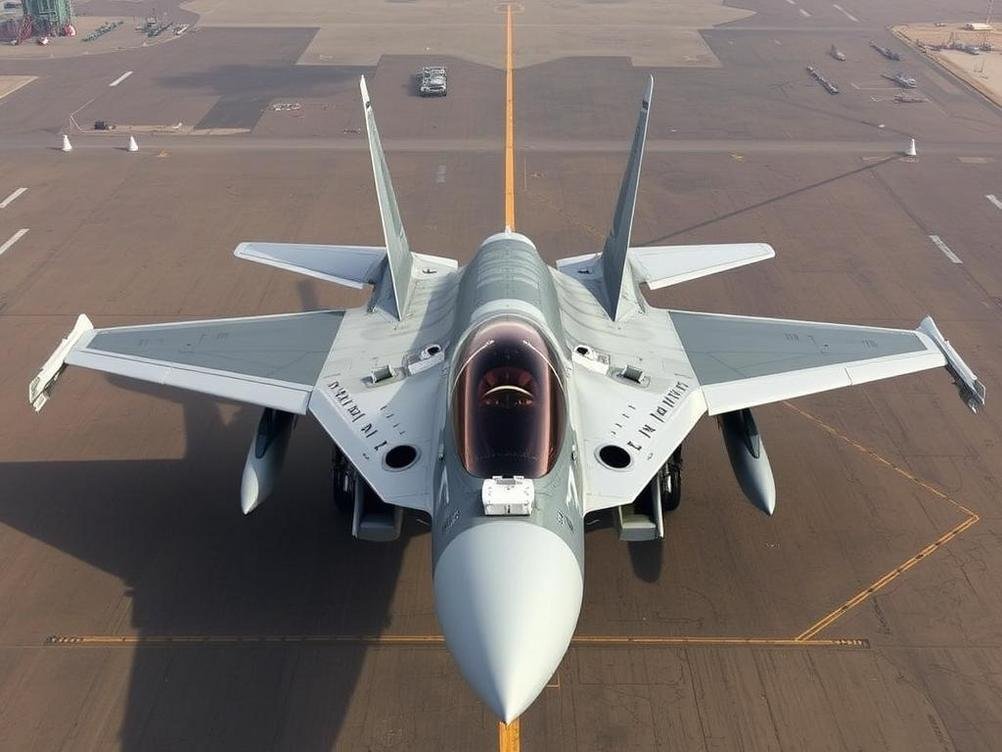
How the US Air Force is Supercharging Its AI Fighters with Radar and More – A Sneak Peek into the Future
Picture this: You’re sitting in your living room, binge-watching a sci-fi flick where fighter jets zip through the clouds, outsmarting enemies with AI that’s basically a mix of Tony Stark’s tech and a really smart parrot. But hey, that’s not just Hollywood nonsense anymore – the US Air Force is actually rolling out upgrades for their experimental AI fighters, including fancy radar tweaks and a bunch of other goodies. It’s like upgrading from a flip phone to the latest smartphone, but for warplanes that could one day dominate the skies. I mean, who knew that AI, the same stuff powering your Netflix recommendations, might soon be calling the shots in aerial combat?
So, why should you care about this? Well, we’re talking about a game-changer in military tech that could reshape global defense strategies, make wars safer (or scarier, depending on your view), and even trickle down to everyday life – think autonomous drones delivering your pizza. From enhanced radar that spots threats before you can say ‘incoming missile’ to AI brains that learn on the fly, these upgrades are straight out of a future we’re hurtling toward. I’ve been digging into this stuff because it’s fascinating how far we’ve come since the days of basic radar in World War II. Back then, it was all about blips on a screen; now, it’s about machines that can predict moves like a chess grandmaster. In this article, we’ll break it all down – the tech, the hype, the potential downsides, and what it means for the world. Stick around, because by the end, you might just see AI fighters as the cool kids of modern warfare, with a dash of humor to keep things light.
As someone who’s always geeked out over military history and tech gadgets, I can’t help but chuckle at how AI is turning pilots into backseat drivers. These upgrades aren’t just bolts and wires; they’re about making jets smarter than your average video game AI. So, let’s dive in and explore what’s really brewing in the skies above.
The Rise of AI Fighters: From Sci-Fi Dreams to Real Deal
Okay, let’s kick things off with the basics – what’s all the fuss about AI in fighter jets? It started as this wild idea in labs, inspired by movies like ‘Iron Man’ or ‘Ender’s Game,’ where AI handles the heavy lifting so humans don’t have to. The US Air Force has been experimenting with these bad boys for years, and now they’re talking upgrades that make them even more formidable. Think about it: an AI fighter that can process data faster than you can blink, dodging missiles while calculating the perfect counterattack. It’s not just cool; it’s a leap toward reducing human error in high-stakes situations.
One thing that cracks me up is how AI has evolved from those clunky old computers in the 80s to something that can outfly human pilots in simulations. According to reports, AI systems have already beaten top Air Force pilots in mock dogfights, which is both impressive and a little unnerving. Imagine telling your grandpa about that – he’d probably think it’s witchcraft! These upgrades, especially to radar, are all about giving these jets an edge by integrating advanced sensors that can detect stealth aircraft or even tiny drones from miles away. It’s like giving your car eyes in the back of its head, but for supersonic speeds.
To put it in perspective, let’s list out a few key milestones in AI aviation history:
- The development of the Lanchester equations in the early 1900s, which laid the groundwork for modern combat modeling – basically, math that predicts battle outcomes.
- The introduction of the F-16 in the 1970s, which had early fly-by-wire systems, a precursor to full AI control.
- Recent tests by the Defense Advanced Research Projects Agency (DARPA) showing AI pilots outperforming humans in 2020 trials.
It’s wild how far we’ve come, and these radar upgrades are just the tip of the iceberg.
Radar Upgrades: Seeing the Enemy Before They Even Know You’re There
Alright, let’s zero in on the star of the show: radar enhancements. The US Air Force is reportedly planning to amp up the radar systems on their experimental AI fighters, making them capable of long-range detection with pinpoint accuracy. We’re talking about active electronically scanned array (AESA) radar tech that’s already in use on planes like the F-22 and F-35, but cranked up to eleven for AI integration. This means the AI can not only spot incoming threats but also analyze them in real-time, deciding the best course of action without a human pulling the strings.
What’s funny is that radar used to be this bulky, power-hungry beast – remember those giant dishes from old war movies? Now, it’s sleeker, smarter, and can even jam enemy signals while tracking multiple targets. For example, these upgrades might include low-probability-of-intercept radar, which keeps your position hidden while it snoops around. It’s like being a ninja in the sky, silent and deadly. And let’s not forget the potential for AI to learn from each encounter, adapting its radar settings on the fly – that’s evolution in action, folks!
If you’re curious about how this works, think of it as your smartphone’s camera getting an upgrade: better resolution, faster processing, and apps that predict what you’re about to snap. Here’s a quick breakdown of what these radar upgrades could entail:
- Improved range: Detecting targets up to 200 miles away, compared to the current 100 miles on older systems.
- Multi-function capabilities: Simultaneously tracking, targeting, and even countering electronic warfare.
- AI-driven automation: Reducing pilot workload by 50%, according to some military estimates, letting humans focus on strategy rather than sticking to controls.
Other Key Upgrades: It’s Not Just About Seeing, It’s About Being a Total Badass
Beyond radar, the Air Force has a laundry list of upgrades planned for these AI fighters, and it’s like giving a sports car a full engine swap. We’re talking about beefed-up processors for faster decision-making, advanced propulsion systems for better maneuverability, and even improvements in autonomous refueling. The goal? To create a jet that’s not just reactive but proactive, anticipating threats before they materialize. It’s as if these planes are getting a personality upgrade, turning from dumb machines into strategic thinkers.
I love how this stuff sounds straight out of a comic book. For instance, upgrades might include neural networks that allow the AI to ‘learn’ from past missions, much like how your favorite AI assistant gets better at predicting your needs. One real-world example is the Kratos XQ-58 Valkyrie drone, which has been tested alongside manned aircraft, showing how AI can work in tandem. The humor in all this is imagining an AI fighter cracking jokes mid-flight – ‘Hey, pilot, hold on tight; I’m about to pull a loop-de-loop!’ Okay, maybe that’s pushing it, but you get the idea.
To break it down simply, here’s what else is on the upgrade menu:
- Enhanced sensors for environmental awareness, like detecting weather patterns that could affect flight.
- Better cybersecurity measures to protect against hacking – because no one wants a fighter jet going rogue like in a bad action flick.
- Integration with satellite networks for global real-time data, making these jets part of a massive, interconnected web of defense (www.darpa.mil has more on this if you’re nerding out like me).
The Pros and Cons: Is This AI Upgrade Worth the Hype?
Now, let’s get real – every shiny new tech has its ups and downs, and AI fighters are no exception. On the pro side, these upgrades could save lives by minimizing human involvement in dangerous missions. Statistics from the Pentagon suggest that AI-assisted flights could reduce error rates by up to 30%, which is huge when you’re dealing with million-dollar machines zipping at Mach speeds. Plus, it’s cost-effective in the long run, as AI doesn’t need sleep or salaries.
But hold your horses; there are cons too. What if the AI glitches and makes a bad call, like in that time a self-driving car got confused by a stop sign? Critics worry about over-reliance on machines, potential ethical issues in autonomous warfare, and even the arms race it could spark with other countries. It’s like giving a kid the keys to a Ferrari – exciting, but what if they crash it? Still, the benefits often outweigh the risks, especially with human oversight in the loop.
When weighing these, consider metaphors like a trusty guard dog: helpful and loyal, but you still need to train it right. Pros include faster response times and better data analysis, while cons might involve job losses for pilots or privacy concerns with all that data collection.
Real-World Tests and What We’ve Learned So Far
The US Air Force isn’t just talking the talk; they’re walking the walk with actual tests. Programs like the Skyborg initiative have pitted AI against human pilots in simulated battles, and guess what? The AI won more often than not. These tests have shown that upgrades like advanced radar can detect and engage targets with eerie precision, almost like cheating at hide-and-seek.
What’s amusing is how these experiments sometimes reveal quirky flaws, like an AI getting ‘distracted’ by irrelevant data – remind you of anyone scrolling through social media? In one trial, as reported on defense sites (check out www.af.mil for details), an AI fighter adapted mid-flight to avoid a simulated SAM site, showcasing the radar’s ability to integrate with other systems seamlessly.
From these tests, we’ve gathered insights such as:
- AI’s ability to handle multiple threats simultaneously, something humans struggle with under pressure.
- The need for robust testing to iron out bugs, ensuring these upgrades don’t turn into expensive failures.
- Lessons on collaboration, where AI and humans work together for the best outcomes.
The Bigger Picture: How AI Fighters Shape the Future of Defense
Zooming out, these upgrades aren’t just about one fighter jet; they’re part of a larger shift in global defense. With countries like China and Russia ramping up their own AI tech, the US is playing catch-up to stay ahead. It’s like an arms race on steroids, but with code instead of nukes. These enhancements could lead to more precise, less destructive warfare, potentially saving civilian lives in conflicts.
Of course, there’s a humorous side – will we see AI fighters in peacekeepers’ roles, like escorting humanitarian aid? Or maybe they’ll inspire new video games that feel way too real. Either way, the future looks bright, with AI potentially revolutionizing not just military ops but also commercial aviation and disaster response.
To illustrate, compare this to the evolution of smartphones: from basic calls to AI-powered assistants. Similarly, AI fighters could evolve into versatile tools for everything from surveillance to search and rescue.
Conclusion: Strapping In for an AI-Driven Sky
Wrapping this up, the upgrades to the US Air Force’s experimental AI fighters, especially that killer radar tech, are a bold step into uncharted territory. We’ve seen how they could make aerial combat smarter, safer, and more efficient, but also how we need to tread carefully to avoid the pitfalls. It’s exciting to think about a world where AI handles the grunt work, letting us focus on the bigger picture – peace, innovation, and maybe even a few laughs along the way.
As we look ahead, let’s remember that tech like this isn’t just about winning wars; it’s about shaping a future where humanity and machines coexist productively. So, whether you’re a tech enthusiast or just curious about the skies above, keep an eye on these developments – who knows, your next vacation might involve an AI-piloted plane! Here’s to hoping it all leads to a brighter, more secure world.