dailytech.ai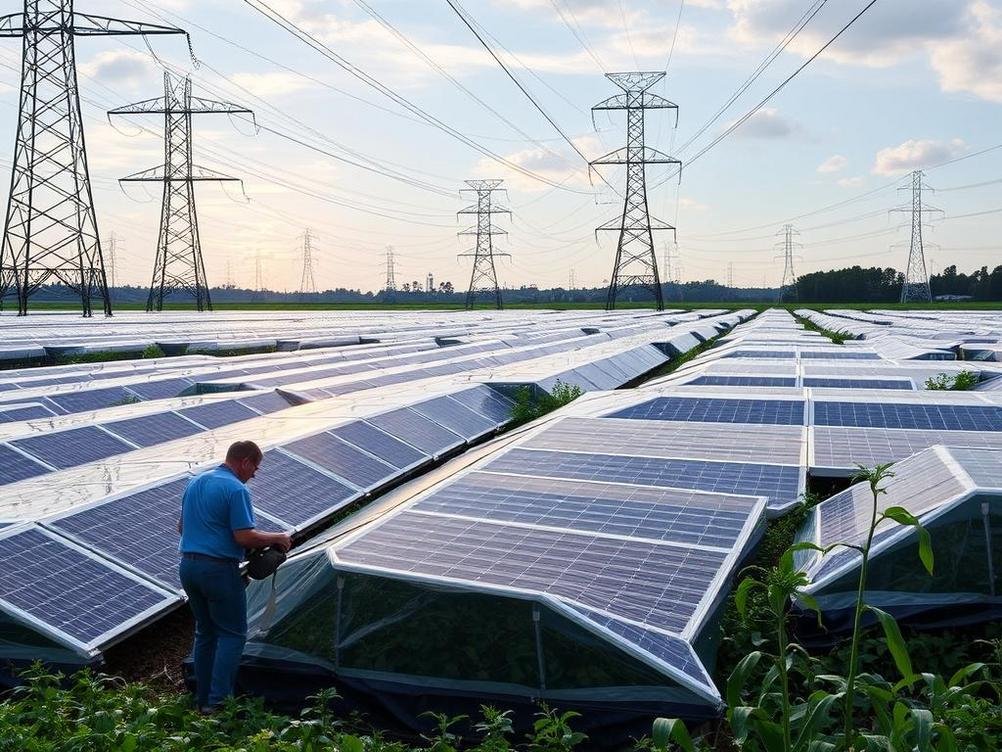
Why Maryland Farmers Are Clashing with Power Giants Over the AI Energy Frenzy
Imagine you’re a farmer in the rolling hills of Maryland, knee-deep in mud and manure, tending to your crops when suddenly, some big tech companies decide they need your neighborhood’s power supply to fuel their AI dreams. Sounds like a plot from a bad sci-fi movie, right? Well, that’s the real-life drama unfolding in Maryland these days. The AI boom is gobbling up electricity like it’s going out of style, thanks to massive data centers chugging away on servers that never sleep. Farmers are pushing back hard against power companies, arguing that this rush for energy is threatening their land, livelihoods, and even the environment. It’s a classic David vs. Goliath story, where the little guys with pitchforks are taking on corporate behemoths. But why is this happening now, and what does it mean for the future? Stick around, because we’re diving into the nitty-gritty of how AI’s insatiable appetite is sparking these fiery battles, complete with some eye-roll-worthy humor and real talk on what’s at stake.
As someone who’s always geeked out on tech but grew up around folks who live off the land, I find this clash fascinating—and a bit heartbreaking. The AI revolution promises amazing things, like super-smart chatbots that could write your shopping lists or predict the weather better than your grandma’s aching knee. But here’s the catch: all that brainpower requires a ton of juice. Data centers in places like Maryland are springing up left and right, drawing power from local grids and putting pressure on resources that farmers have relied on for generations. It’s not just about flipping a switch; it’s about who gets priority when the lights flicker. This fight isn’t new—energy demands have always clashed with rural life—but the AI angle adds a modern twist that’s got everyone from policymakers to plow-wielding pros scratching their heads. So, let’s break it down: is this just another hurdle in tech’s path, or a wake-up call for how we’re powering our future?
The AI Boom and Its Insatiable Thirst for Power
First off, let’s chat about why AI is suddenly the biggest energy hog on the block. Picture this: every time you ask your phone for directions or binge on AI-generated cat videos, it’s not magic—it’s a bunch of servers crunching data at warp speed. These data centers are popping up everywhere, especially in states like Maryland with reliable grids and cool climates. But here’s the kicker: running all that AI wizardry uses up a ridiculous amount of electricity. I mean, we’re talking about energy consumption that could power a small town for a year, all for training one fancy AI model. It’s like throwing a party for a million guests when you only have snacks for ten.
According to reports from the International Energy Agency, global data center electricity use has skyrocketed by over 50% in the last five years, and AI is a major culprit. In Maryland, this has led to power companies scrambling to expand infrastructure, often eyeing farmland for new transmission lines or even building sites. It’s not hard to see why farmers are fuming— they’re seeing their peaceful fields turned into high-voltage highways. And let’s not forget the environmental side; these centers generate heat like a dragon’s breath, requiring even more energy for cooling. If you’re a farmer relying on steady water supplies or local ecosystems, this is a nightmare. Think of it as AI throwing a wild bash in your backyard without an invitation.
To put it in perspective, companies like Google and Microsoft are investing billions in AI, with data from the IEA showing that AI could consume up to 10% of global electricity by 2030. Farmers in Maryland aren’t just worried about blackouts; they’re fighting for their way of life. It’s a reminder that for all its smarts, AI doesn’t come without costs—literally and figuratively.
Farmers in the Crosshairs: What’s Really at Stake
Now, put yourself in the shoes of a Maryland farmer. You’ve got generations of family history tied to that soil, and suddenly, some executive in a suit decides your land is perfect for a power upgrade. Groups like the Maryland Farm Bureau are leading the charge, arguing that expanded power lines and substations could disrupt everything from crop yields to wildlife habitats. It’s not just about losing a few acres; it’s about the ripple effects, like increased noise, pollution, and even health risks from electromagnetic fields—stuff that sounds like sci-fi but is very real.
- One major issue is eminent domain, where power companies might seize land for “public use,” but farmers see it as a land grab for corporate greed.
- Then there’s the economic hit: higher energy costs could make it tougher for small farms to compete, especially when they’re already dealing with climate change and market fluctuations.
- And don’t overlook the community aspect—farmers’ markets and local events could be disrupted, turning vibrant rural areas into industrial zones overnight.
I remember chatting with a buddy who’s a farmer in Frederick County; he joked that if AI keeps this up, he’ll have to start growing silicon chips instead of corn. But seriously, it’s no laughing matter. These folks are the backbone of our food supply, and if they’re squeezed out, we’re all in trouble. The AI boom might be innovative, but it’s bulldozing over the very people who keep our tables full.
The Clash: Power Companies vs. Agricultural Land
Alright, let’s get to the heart of the beef—who’s throwing punches here? On one side, you’ve got power companies like Constellation Energy, which are under pressure to meet the demands of tech giants. They’re arguing that expanding infrastructure is essential for economic growth and even national security, since AI is key to things like cybersecurity and healthcare advancements. But from the farmers’ view, it’s all about priorities: why should their heritage be sacrificed for some algorithm’s electricity fix?
Legal battles are heating up, with lawsuits flying back and forth. For instance, in recent cases, farmers have challenged permits for new power lines, claiming insufficient environmental reviews. It’s like a courtroom drama where the underdogs are fighting back with everything they’ve got. And honestly, it’s refreshing to see regular people standing up to the bigwigs. If you’ve ever felt powerless against corporate decisions, this story might just inspire you to join the fray—or at least cheer from the sidelines.
- First, power companies point to jobs and investment, saying AI-related expansions could bring thousands of positions to rural areas.
- But farmers counter that these jobs are often short-term and don’t benefit locals, while permanent damage to the land is irreversible.
- Ultimately, it’s a balancing act that regulators are struggling with, as seen in ongoing debates at the Maryland Public Service Commission.
Environmental and Economic Impacts: The Hidden Costs
Beyond the drama, let’s talk about the bigger picture. The AI boom isn’t just zapping energy; it’s leaving a trail of environmental woes. In Maryland, where watersheds and forests are crucial for agriculture, increased power demands could lead to more fossil fuel reliance or even strain renewable sources. Imagine rivers drying up because data centers are hogging water for cooling—it’s a scenario that’s already playing out in places like the Southwest, and Maryland farmers are terrified it’ll hit them next.
Economically, this fight could reshape local communities. Small farms might face skyrocketing costs, forcing some to sell out or downsize. On the flip side, if AI brings in new tech hubs, it could boost the economy in unexpected ways. But as one farmer put it, “It’s like winning the lottery but losing your home in the process.” Statistics from the U.S. Department of Agriculture show that rural areas are already under pressure, with farm incomes dropping 10% in recent years. Throw in AI’s energy demands, and you’ve got a recipe for disaster.
- Key stats: A study by the EPA estimates that data centers account for 2% of U.S. electricity use, projected to double by 2026.
- Farmers are pushing for greener alternatives, like solar-powered farms that could kill two birds with one stone.
- Yet, the transition isn’t easy, as not everyone has the resources to adapt quickly.
Possible Solutions and Innovations: Finding Common Ground
Okay, enough doom and gloom—let’s look at the bright side. There are ways to bridge this gap between AI’s ambitions and farmers’ needs. For starters, why not integrate renewable energy into the mix? Imagine farmers partnering with tech companies to install solar panels on their fields, turning potential conflict into a win-win. It’s not as far-fetched as it sounds; projects like those from the Department of Energy are already exploring how agrivoltaics—combining farming and solar tech—could ease the burden.
Another idea is better regulations. Policymakers could enforce stricter rules on where and how power expansions happen, ensuring farmers have a say. And hey, AI itself could help—think algorithms that optimize energy use in data centers, cutting down on waste. It’s like AI fixing its own mess! If we get creative, we might just turn this clash into a collaboration. As someone who’s optimistic about tech, I see this as an opportunity for innovation that benefits everyone.
Real-world examples abound, like a pilot program in Iowa where farms are generating their own power. According to NREL, such initiatives could reduce energy demands by up to 30%. It’s all about thinking outside the box, or in this case, outside the server room.
Real Stories from the Field: Voices from Maryland
To make this feel more real, let’s hear from the people on the ground. Take John, a third-generation farmer in Carroll County, who told me over coffee that he’s organizing protests against a proposed power line through his orchard. “It’s not just about us,” he said, “it’s about the birds, the bees, and the future of our kids.” Stories like his highlight the human element in this tech-driven turmoil. These aren’t just statistics; they’re families fighting for their slice of the American dream.
Humor aside, it’s inspiring to see communities rallying. Social media campaigns and local rallies are gaining traction, with hashtags like #FarmersVsAI trending. It’s a reminder that while AI might be changing the world, it can’t ignore the folks who’ve been stewarding the land for centuries. If you’re passionate about this, check out groups like the American Farmland Trust for ways to get involved.
- One farmer shared how AI tools are actually helping with precision agriculture, like drone monitoring for pests.
- But he added, “Ironically, the same tech that’s saving my crops might end up destroying my farm.”
- These mixed feelings show that it’s not all black and white—just shades of green, literally.
Conclusion
As we wrap this up, it’s clear that the AI boom in Maryland is more than just a power struggle—it’s a wake-up call for how we balance progress with preservation. Farmers are holding their ground, and honestly, they deserve our support. This fight isn’t just about energy; it’s about ensuring that the tech revolution doesn’t leave anyone in the dust. Whether it’s through smarter policies, innovative partnerships, or a good old-fashioned community pushback, there’s hope for a future where AI and agriculture can coexist peacefully.
So, next time you’re marveling at some AI magic, spare a thought for the farmers making it possible—and the ones standing in its way. Let’s push for solutions that keep the lights on without dimming the spirit of rural America. Who knows? Maybe this clash will spark the next big innovation. Stay tuned, because the story’s just getting started.