 dailytech.ai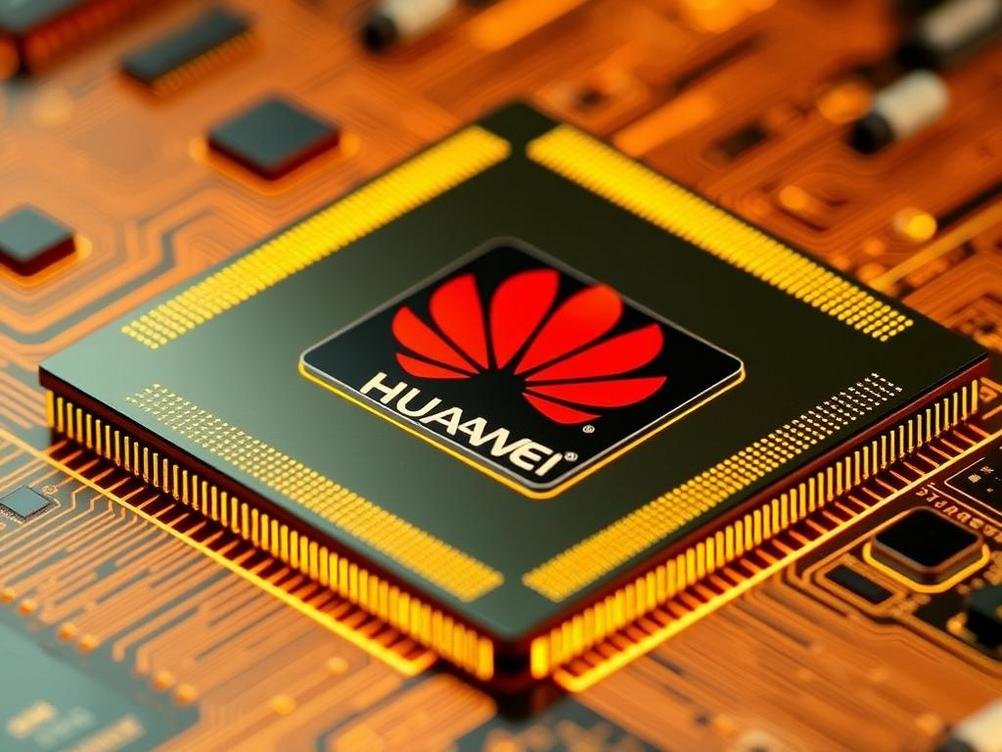
Huawei’s Secret Sauce: How They’re Sneaking In Samsung, TSMC, and SK Hynix Parts for Killer AI Chips
Hey there, tech enthusiasts! Imagine you’re a massive company like Huawei, slapped with all sorts of trade restrictions from the big players in the West, especially the US. You’re trying to build cutting-edge AI chips, but you can’t just waltz into stores and grab the best components off the shelf. So what do you do? According to a recent bombshell report, Huawei’s been getting creative—real creative—by incorporating parts from heavy hitters like Samsung, TSMC, and SK Hynix into their advanced AI processors. It’s like baking a cake with ingredients you’re not supposed to have, but somehow making it taste even better. This news has sent ripples through the tech world, raising questions about global supply chains, innovation under pressure, and whether these sanctions are really holding anyone back. I mean, if Huawei can pull this off, what’s next? Are we looking at a new era where tech giants find loopholes faster than regulators can plug them? Let’s dive into this juicy story, unpack what it means for AI development, and maybe chuckle a bit at the sheer audacity of it all. Stick around; this is going to be a wild ride through the underbelly of semiconductor geopolitics.
The Backstory: Huawei’s Battle with Sanctions
Okay, let’s set the stage here. Huawei has been in the crosshairs of US sanctions since 2019, basically because of national security concerns and trade tensions. These restrictions cut off Huawei’s access to advanced US tech, including chips from companies like Intel and Qualcomm. But Huawei isn’t one to back down. They’ve ramped up their own chip-making arm, HiSilicon, and poured billions into R&D. Now, this report from somewhere in the tech rumor mill—wait, actually, it’s from a credible source like Reuters or something similar—claims they’ve managed to integrate components from Samsung (memory chips, anyone?), TSMC (the Taiwanese foundry king), and SK Hynix (another memory maestro) into their Ascend AI chips. It’s not just about slapping parts together; it’s a testament to Huawei’s engineering prowess and their network of shadowy suppliers.
Think about it: in a world where chips are the new oil, Huawei’s basically drilling in forbidden territories. The US aimed to slow down China’s tech ascent, but stories like this make you wonder if it’s working. Huawei’s AI chips are powering everything from data centers to smart cities in China, and if they’re using top-tier foreign parts, that could supercharge their performance. It’s a classic underdog tale with a twist of corporate espionage vibes, though nothing illegal has been proven yet. Just pure ingenuity, or so they say.
How Are They Pulling This Off?
Alright, the million-dollar question: how the heck is Huawei getting these parts? Sanctions aren’t foolproof, right? There are loopholes, third-party resellers, and even domestic alternatives that mimic foreign tech. Reports suggest Huawei might be using intermediaries or rebranded components to bypass restrictions. For instance, TSMC stopped producing for Huawei directly in 2020, but older stock or grey-market deals could be in play. Samsung and SK Hynix, both South Korean, have to navigate their own alliances with the US, yet somehow bits and pieces end up in Huawei’s hands.
It’s like a high-stakes game of hot potato with semiconductors. Huawei could be designing around the restrictions, maybe using less advanced nodes or mixing and matching. But let’s not kid ourselves—this requires a ton of reverse engineering and supply chain wizardry. If you’re into tech thrillers, this is better than any novel. And hey, if you’ve ever tried building a PC during a chip shortage, you know the hustle; multiply that by a billion, and you’ve got Huawei’s daily grind.
To break it down simply:
- Third-party suppliers: Companies that aren’t directly under US scrutiny might be funneling parts.
- Stockpiling: Huawei hoarded components before sanctions tightened.
- Domestic innovation: Blending foreign tech with homegrown alternatives.
The Tech Inside: What Makes These AI Chips Special?
Diving deeper into the chips themselves, Huawei’s Ascend series is no slouch. They’re competing with Nvidia’s dominance in AI hardware, offering accelerators that handle massive datasets for machine learning. By incorporating Samsung’s high-bandwidth memory or SK Hynix’s DRAM, Huawei boosts efficiency and speed. TSMC’s fabrication know-how, even if indirect, could mean tighter integration and lower power consumption. It’s like giving your old car a turbo engine swap—suddenly, it’s zooming past the competition.
But why does this matter? AI is everywhere now, from your phone’s photo editing to autonomous driving. Huawei’s chips could level the playing field for Chinese firms, reducing reliance on Western tech. Imagine a world where AI innovation isn’t bottled up in Silicon Valley. Plus, with reports estimating Huawei’s AI revenue hitting billions, this isn’t small potatoes. It’s a big deal for global techbalance.
Here’s a quick comparison:
- Nvidia’s A100: Gold standard for AI training.
- Huawei’s Ascend 910: Claims similar performance with integrated foreign parts.
- The edge: Lower cost and tailored for China’s ecosystem.
Geopolitical Ripples: Who’s Winning the Chip War?
On the bigger stage, this report fuels the ongoing US-China tech Cold War. The US has been ramping up export controls, with the latest in 2023 targeting advanced AI chips. Yet Huawei’s resilience shows sanctions might be more sieve than wall. It’s got lawmakers scratching their heads—should they tighten the screws further, or is that just pushing innovation underground? For South Korea and Taiwan, home to Samsung, SK Hynix, and TSMC, it’s a tightrope walk between profits and politics.
From a humorous angle, it’s like trying to keep kids out of the cookie jar by locking the kitchen, only to find they’ve built a ladder. China’s pushing for self-sufficiency with initiatives like Made in China 2025, but blending in foreign parts speeds things up. Stats from places like the Semiconductor Industry Association show China’s chip imports still massive, around $400 billion annually. This Huawei move? It’s a drop in the bucket, but a telling one.
Implications for the AI Industry
Zooming out to AI as a whole, Huawei’s strategy could democratize access to high-end tech. Smaller players might follow suit, sourcing parts creatively to build their own AI empires. But there’s a dark side: increased fragmentation. If every country starts hoarding tech, we might end up with incompatible systems, slowing global progress. On the flip side, competition breeds innovation—remember how smartphone wars gave us better phones?
Personally, I’ve seen AI tools explode in popularity, from ChatGPT to image generators. If Huawei’s chips make AI cheaper and faster in Asia, we could see a boom in applications like smart healthcare or traffic management. But let’s not ignore the risks: more powerful AI in potentially adversarial hands raises ethical questions. It’s a double-edged sword, folks.
Key takeaways:
- Innovation thrives under pressure.
- Supply chains are more interconnected than we think.
- AI’s future might be multipolar, not just US-led.
What’s Next for Huawei and the Chip World?
Looking ahead, expect more reports and maybe investigations. Huawei denies wrongdoing, claiming compliance, but the proof’s in the silicon pudding. If this pans out, it could embolden other firms to skirt rules. For consumers, it means potentially more diverse AI products—yay for choice! But regulators might crack down harder, leading to higher prices or shortages.
It’s a reminder that tech doesn’t exist in a vacuum; it’s tangled with politics, economics, and a dash of human cunning. If you’re investing in tech stocks, keep an eye on Samsung (link: www.samsung.com) or TSMC—these developments could sway markets.
Conclusion
Whew, what a rollercoaster! Huawei’s reported use of Samsung, TSMC, and SK Hynix parts in their AI chips is more than just a tech tidbit—it’s a glimpse into the resilient, sneaky side of innovation. Amid sanctions, they’re not just surviving; they’re thriving, challenging the status quo and pushing AI forward in unexpected ways. Whether you’re rooting for the underdog or wary of the implications, one thing’s clear: the chip game is far from over. It inspires us to think about how creativity can overcome barriers, but also reminds us to stay vigilant about fair play in tech. What’s your take? Drop a comment below—let’s chat about where AI heads next. Until then, keep your eyes on the silicon horizon!








Leave a Reply