
How Accenture’s ‘Reinventors’ Are Shaking Up the AI World – A Witty Take on Job Evolution
How Accenture’s ‘Reinventors’ Are Shaking Up the AI World – A Witty Take on Job Evolution
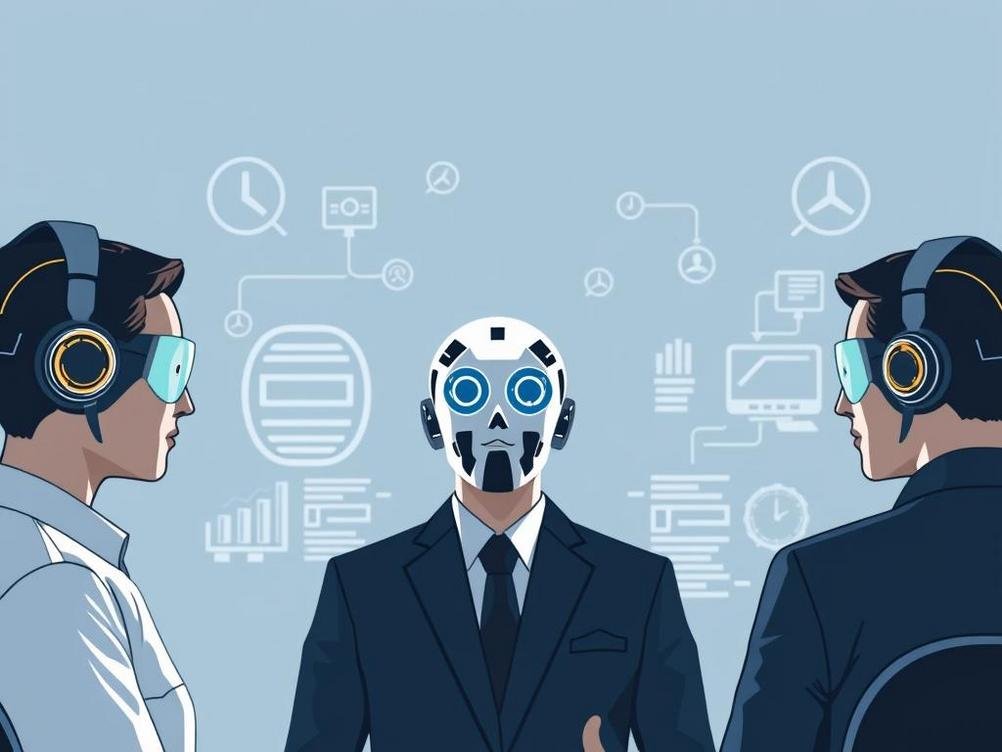
Imagine this: You’re just chugging along in your 9-to-5 gig, thinking you’re a whiz at what you do, and then bam! Your company decides to call you a ‘reinventor’ because AI is crashing the party. That’s exactly what’s happening over at Accenture, where they’ve slapped this fancy new label on 800,000 of their employees amid a massive shift towards AI. It’s like the corporate world woke up one day and said, ‘Hey, let’s rename everyone to sound cooler than a superhero movie sequel.’ But seriously, this isn’t just some random rebranding stunt—it’s a sign of how AI is flipping the script on traditional jobs. We’re talking about everything from automating mundane tasks to reshaping careers in ways we never saw coming. I mean, who knew that by 2025, your resume might need a line like ‘Proficient in reinventing myself’?
This news from Accenture got me thinking about how AI is infiltrating every corner of the business world, forcing us to adapt or get left behind. Picture this: Companies are investing billions into AI tech, and employees are being nudged—okay, maybe shoved—to level up their skills. It’s exciting, sure, but also a bit terrifying. Will your job as a data analyst turn into something straight out of a sci-fi flick? Or will it open doors to wild new opportunities? In this article, we’ll dive into what Accenture’s move really means, why AI is the hot topic right now, and how you can stay ahead in this crazy evolving landscape. Stick around, because by the end, you might just feel inspired to reinvent yourself too. After all, in a world where AI is king, who’s to say we can’t all be the heroes of our own stories?
What Exactly is Accenture Up To With This ‘Reinventor’ Thing?
You know, when I first heard that Accenture was calling their 800,000 employees ‘reinventors,’ I chuckled a bit. It sounds like something out of a motivational seminar gone wrong—’Hey team, you’re not just workers, you’re reinventors! Now, go forth and innovate!’ But dig a little deeper, and it’s clear this is part of a broader strategy to pivot towards AI. Accenture, one of the big dogs in consulting and tech services, announced this amid their push to integrate AI into everything from client projects to internal operations. They’re basically saying, ‘AI is here, so let’s make sure our folks are ready to roll with it.’
From what I’ve read, this rebranding is tied to their investments in AI training programs. Employees are being encouraged to upskill in areas like machine learning and automation, turning them into these so-called reinventors. It’s not just about slapping a new title on; it’s about fostering a culture where adaptation is key. Think of it like upgrading from a flip phone to a smartphone—suddenly, you’ve got all these new features, but you have to learn how to use them. Accenture’s move is a wake-up call for the industry, showing that companies need to evolve or risk becoming obsolete. And honestly, it’s kind of refreshing to see a firm this size owning up to the changes instead of pretending everything’s fine.
To break it down, if you’re curious about the details, you can check out Accenture’s official site for more on their AI initiatives here. They’ve got stats showing how AI could boost productivity by up to 40% in some sectors, which is nuts. But let’s not get too carried away—it’s also a reminder that not everyone’s thrilled about ditching the old ways.
Why the Heck is AI Forcing This Kind of Change Anyway?
Okay, let’s get real for a second. AI isn’t just some buzzword that’s popped up overnight; it’s been building steam for years, and now it’s hitting full throttle. Accenture’s shift is a prime example of how AI is reshaping industries faster than a viral TikTok trend. We’re talking about tools that can analyze data in seconds, predict market trends, and even handle customer service chats without a human in sight. So, why the sudden push? Well, with advancements like generative AI models from companies like OpenAI, businesses are seeing the writing on the wall—adapt or get disrupted.
Take it from me, I’ve seen friends in tech get laid off because a bot could do their job cheaper and faster. Statistics from sources like McKinsey show that AI could automate up to 50% of work activities by 2030, which is both awesome and scary. On one hand, it frees us up for more creative stuff; on the other, it means thousands of jobs might vanish. Accenture’s ‘reinventors’ label is their way of saying, ‘Let’s not fight this—let’s embrace it.’ It’s like when streaming services killed Blockbuster; you either pivot or fade away.
- First off, AI is cutting costs big time—companies can save millions by automating routine tasks.
- Secondly, it’s opening up new revenue streams, like personalized marketing that AI can optimize in real-time.
- And don’t forget, it’s pushing innovation; for instance, AI in healthcare is helping diagnose diseases faster than ever before.
What Does Being a ‘Reinventor’ Even Mean in Practice?
Alright, so we’ve established that Accenture is all about this ‘reinventor’ vibe, but what does that look like on a day-to-day basis? Is it just a fancy way of saying ‘learn new stuff or else’? Partly, yeah, but it’s more than that. A reinventor, according to Accenture, is someone who combines their existing skills with AI tools to create better outcomes. Think of it as being a chef who suddenly gets a high-tech oven—now you can whip up gourmet meals faster, but you’ve got to figure out the settings first.
For example, a project manager at Accenture might now use AI to forecast risks on a project, saving weeks of manual analysis. Or a consultant could leverage chatbots to handle initial client queries, freeing them up for the juicy strategic stuff. It’s not about replacing humans; it’s about augmenting them. I remember chatting with a buddy who works in IT—he said it’s like having a superpower, but only if you’re willing to train for it. If you don’t, well, you might end up feeling like that friend who still uses a flip phone in 2025.
And let’s add some humor: Imagine your boss saying, ‘You’re a reinventor now, so go reinvent that coffee break into a productivity boost!’ But seriously, programmes like Accenture’s internal AI academies are helping employees get certified, which could be a game-changer for career growth.
How This AI Shift is Impacting Employees’ Lives—For Better or Worse
Now, let’s talk about the human side of all this. Accenture’s rebranding might sound empowering, but it’s got to be a mixed bag for the folks on the ground. On the upside, becoming a reinventor means access to training and new opportunities. Who wouldn’t want to level up their skills and potentially score a promotion? But on the flip side, it’s pressure city—suddenly, you’re expected to master AI or risk falling behind. It’s like being in a video game where the levels keep getting harder, and you didn’t sign up for the boss fight.
From what I’ve gathered, surveys from LinkedIn show that about 70% of professionals are worried about AI taking their jobs, yet 80% are excited about the possibilities. That’s a wild contradiction! For Accenture employees, this could mean more job security if they adapt, but it also highlights the need for support, like mental health resources during transitions. A real-world example: Companies like Google have similar programmes, and you can read about their AI career paths here, which show how blending human ingenuity with tech can lead to breakthroughs.
- Pros: Higher efficiency, better work-life balance from automating grunt work, and fresh career paths.
- Cons: Job displacement fears, the steep learning curve, and potential for burnout.
- Tips: Start small, like trying out free AI tools on sites like Coursera for some hands-on learning.
The Bigger Picture: AI’s Role in the Future of Business
Zooming out, Accenture’s move is just a snippet of the larger AI revolution sweeping through business. We’re not talking about sci-fi anymore; AI is embedded in everything from supply chain management to creative industries. By dubbing their staff reinventors, Accenture is signaling that AI isn’t a threat—it’s a tool for growth. It’s like how the internet changed communication; at first, it was chaos, but now we can’t live without it.
Globally, reports from the World Economic Forum predict that AI could create 12 million more jobs than it displaces by 2025. That’s huge! For businesses, this means rethinking strategies, investing in tech, and fostering innovation. Accenture’s approach could inspire other firms to follow suit, turning their teams into agile, AI-savvy powerhouses.
Tips for Turning Yourself into a Reinventor in This AI-Driven World
If you’re reading this and thinking, ‘Hey, I want in on this reinventor action,’ you’re not alone. The good news is, you don’t have to wait for your company to make the call—you can start now. Begin with baby steps, like exploring online courses or experimenting with AI apps. It’s like learning to ride a bike; you might wobble at first, but soon you’ll be cruising.
For instance, tools like ChatGPT can help you brainstorm ideas or even draft reports, giving you a taste of how AI can be your sidekick. The key is to blend your unique human touches—creativity, empathy—with AI’s speed. And remember, it’s okay to laugh at the glitches; AI isn’t perfect yet, as anyone who’s seen a wonky AI-generated image can attest.
- Assess your skills and identify AI gaps.
- Dive into resources like free tutorials on YouTube.
- Network with AI pros on platforms like LinkedIn.
- Practice with real projects to build confidence.
Conclusion
Wrapping this up, Accenture’s decision to call 800,000 employees ‘reinventors’ is a bold step into the AI future, and it’s got me feeling both inspired and a tad nostalgic for the pre-AI days. We’ve covered how this shift is reshaping jobs, why AI’s influence is unavoidable, and what it means for everyday workers. At the end of the day, it’s about embracing change with a sense of humor and curiosity—after all, who knows what ‘reinventor’ you’ll become?
As we head into 2026 and beyond, let’s use this as a nudge to stay adaptable. Whether you’re in tech, marketing, or anywhere in between, AI is your new best friend if you let it be. So, go ahead, reinvent yourself a little—your future self will thank you. And remember, in this wild ride, the only constant is change, so buckle up and enjoy the journey!
