dailytech.ai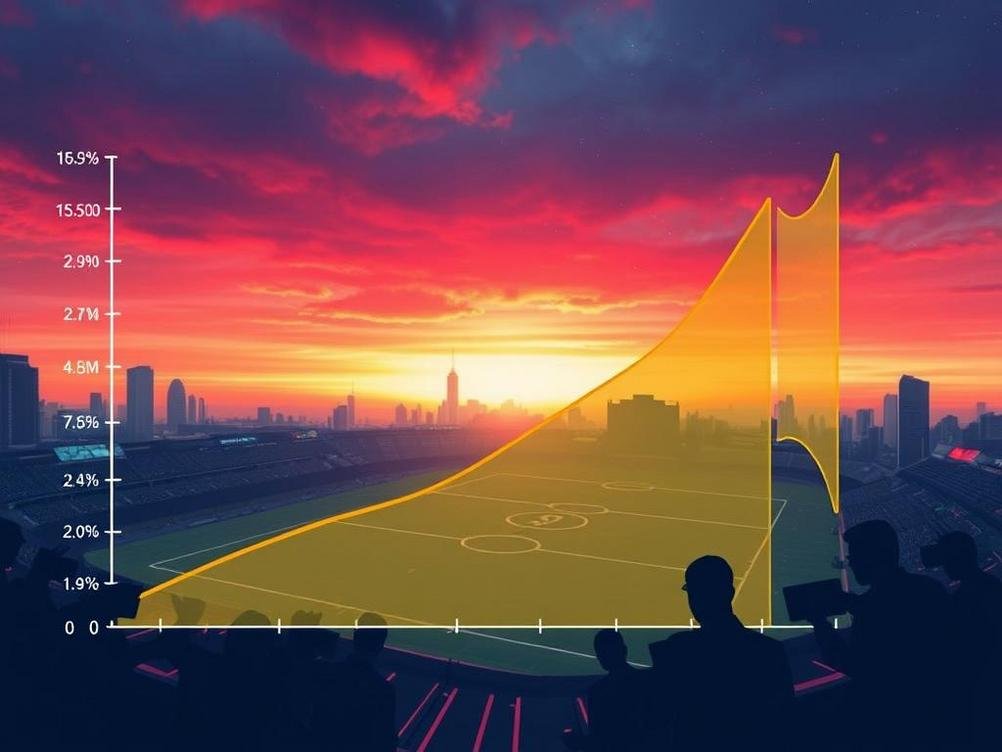
Is AI the Next Game-Changer? Why That Crazy Graph Shows It’s Bigger Than COVID
Okay, let’s kick things off with a wild thought: What if I told you that artificial intelligence isn’t just another tech fad, but something that’s about to flip the world upside down more than a global pandemic ever did? Yeah, that sounds like hyperbole, but stick with me here. I’ve been diving into this stuff for years, and when I stumbled across that graph everyone’s buzzing about— the one plotting AI’s explosive growth against historical tech booms— it made me do a double-take. We’re talking about AI potentially reshaping jobs, economies, and even daily life in ways that make COVID’s disruptions look like a minor speed bump. Think about it: Back in 2020, the world ground to a halt overnight, but AI? It’s quietly building an empire, from powering your smart home devices to revolutionizing healthcare and entertainment. This isn’t just geek talk; it’s about how AI could multiply our capabilities, spark innovation, and yes, even stir up some chaos. In this post, I’ll break down that graph, unpack why AI’s momentum is off the charts, and share some real-talk insights on what it all means for you and me. So, grab a coffee, settle in, and let’s explore why AI might just be the biggest thing since sliced bread— or should I say, since that infamous virus hit the fan.
What Even Is This Graph, and Why Should You Care?
You know how some charts just hit you like a ton of bricks? That’s this one. It’s basically a visual smackdown showing AI’s adoption curve compared to past tech revolutions, like the internet boom or the rise of smartphones. I first saw it on a tech blog— wait, actually, it was shared by folks at places like McKinsey or maybe even the World Economic Forum’s reports— and it’s wild. This graph plots things like user adoption rates, investment inflows, and job displacement over time. For AI, the line shoots up way steeper than for COVID’s global spread. It’s like watching a rocket launch while everyone else is still fiddling with fireworks.
Here’s the thing that got me hooked: While COVID forced us into remote work and Zoom calls almost overnight, AI has been stealthily weaving into our lives for years, and now it’s accelerating. Imagine a graph where the X-axis is time and the Y-axis is impact— AI’s curve is exponential, not linear. It’s not just about cool gadgets; it’s about how AI could double global GDP in the next decade or so, according to experts at the IMF. And yeah, I get it, graphs can be snoozefests, but this one’s like a plot twist in a thriller. It makes you wonder: If AI’s growth is this rapid, are we ready for the ride? Personally, I think it’s a wake-up call to start paying attention before it reshapes everything from your Netflix recommendations to your doctor’s diagnoses.
To break it down simply, let’s list out what this graph highlights:
- The speed of adoption: AI tools like ChatGPT hit a billion users in record time, faster than social media giants did back in the day.
- Investment surges: Billions are pouring in— think companies like Google (you can check their latest earnings reports at abc.xyz/investor) pumping cash into AI research.
- Real-world ripple effects: It’s not just hype; AI is already cutting costs in industries, with stats from Statista showing a 15% efficiency boost in manufacturing alone.
Why AI’s Growth Feels Like a Hurricane Compared to COVID’s Storm
Look, COVID was a beast— it upended economies, changed how we socialize, and left us all a bit scarred. But AI? It’s more like a force of nature that’s building slowly and then bam, it’s everywhere. That graph I mentioned? It overlays AI’s progress with COVID’s timeline, and honestly, it’s eye-opening. While the pandemic peaked and then tapered off, AI’s influence is just ramping up. I’ve seen projections from sources like the Brookings Institution that suggest AI could automate half of all tasks by 2030, making it a permanent fixture rather than a temporary shake-up. It’s hilarious in a twisted way— we spent years fighting a virus, and now we’re racing to keep up with machines that learn faster than we do.
What’s really cooking here is the scale. COVID affected health and supply chains, sure, but AI is touching everything: education, finance, even creative fields. Take a second to think about it— during the pandemic, we adapted with masks and vaccines, but with AI, we’re talking about algorithms that could predict diseases before they hit or optimize traffic to save hours of your life. It’s not all rosy, though; that graph also hints at downsides, like job losses, which were a big COVID side effect too. But here’s a metaphor for you: If COVID was a flash flood, AI’s more like a river that’s steadily rising, and we might need to build some serious dams.
To put it in perspective, let’s compare a few key metrics from that graph:
- Economic impact: COVID caused a global GDP drop of around 3-5% in 2020, per World Bank data at worldbank.org, but AI could add $13 trillion to the global economy by 2030, according to PwC.
- Speed of change: It took decades for the internet to reach billions, but AI tech like generative models exploded in just a couple of years.
- Social shifts: While COVID isolated us, AI is connecting us in weird ways— ever chat with an AI bot that feels more empathetic than your last customer service call?
Real-World Wins: How AI Is Already Making Waves
Alright, enough with the big talk— let’s get practical. That graph isn’t just lines and numbers; it’s backed by real stories of AI changing the game. For instance, in healthcare, AI is spotting cancer earlier than human doctors can, which is straight-up lifesaving. I remember reading about a study from Johns Hopkins where AI algorithms analyzed scans with 90% accuracy— that’s like having a supercharged sidekick in the operating room. And it’s not just medicine; AI’s powering everything from personalized shopping on Amazon to self-driving cars from Tesla. If you’ve ever used a voice assistant like Siri, you’re already part of this revolution, and it’s kind of fun to think about how these tools are evolving faster than my cooking skills.
But let’s not gloss over the humor in all this. AI can write poetry, compose music, and even generate artwork— tools like DALL-E from OpenAI (check them out at openai.com) let you create images from thin air. It’s like having a digital Picasso in your pocket, but with a side of glitches that sometimes produce hilariously wrong results. The point is, AI’s not some distant sci-fi dream; it’s here, making our lives easier and weirder. From farmers using drones to monitor crops to teachers employing AI tutors, the applications are endless. And that graph? It shows this growth isn’t slowing down, which makes me excited and a tad nervous— who knows, maybe AI will write the next blockbuster movie script.
If you’re curious about jumping in, here’s a quick list of AI tools to explore:
- Start with free ones like Google Bard for writing help— it’s surprisingly good at brainstorming ideas.
- Dive into data analysis with tools from Tableau, which integrates AI for insights you can actually understand.
- For creatives, try Midjourney on Discord to generate art; it’s a game-changer for designers.
The Flip Side: What Could Go Wrong in This AI Boom?
Hey, I’m all for optimism, but let’s pump the brakes for a sec. That graph showing AI’s meteoric rise also flashes warning signs, like potential job losses and ethical messes. We’ve seen how COVID exposed inequalities, and AI might do the same on steroids. For example, automation could put millions out of work in sectors like trucking or retail, with reports from the OECD estimating up to 14% of jobs at risk. It’s like inviting a robot to your party only to have it eat all the snacks— fun at first, but then you’re hungry.
Then there’s the privacy angle. AI gobbles up data like it’s going out of style, raising questions about who owns your info. I mean, think about how social media algorithms already manipulate what we see; add in advanced AI, and it’s a whole new level of “wait, is this real?” That graph doesn’t sugarcoat it— the faster AI grows, the more we need safeguards. It’s a bit like that friend who’s always full of ideas but forgets to clean up after themselves. We have to push for regulations, like the EU’s AI Act, to keep things in check. Otherwise, we might end up in a world where AI’s benefits are overshadowed by its blunders.
To balance the pros and cons, consider these points from the graph’s insights:
- Risks like bias in AI decisions, which can perpetuate real-world inequalities— just look at facial recognition tech that’s less accurate for certain skin tones.
- The need for reskilling: With AI taking over routine tasks, folks might need to learn new skills, as highlighted in LinkedIn’s job trend reports at linkedin.com.
- Environmental impact: Training AI models guzzles energy, contributing to carbon emissions— something that graph ties back to sustainability concerns.
Peeking Into the Crystal Ball: What’s Next for AI?
Fast-forward a few years, and that graph suggests AI could be as ubiquitous as electricity. We’re talking about AI assistants that not only answer questions but anticipate your needs— like suggesting a recipe based on what’s in your fridge. Experts from MIT and Stanford predict advancements in areas like quantum computing will supercharge AI, making it even more powerful. It’s exhilarating, really; imagine solving climate change puzzles or exploring space with AI’s help. But as someone who’s seen tech hype come and go, I can’t help but chuckle— will we look back and say, ‘Remember when we thought AI was just for chatbots?’
Of course, it’s not all smooth sailing. That graph also points to hurdles like energy demands and the need for ethical AI development. If we’re smart about it, we could harness AI for good, like in education where tools from Khan Academy (visit khanacademy.org) are already personalizing learning. The future’s a mixed bag, but it’s one worth getting excited about. Rhetorical question time: Are we ready to let AI steer the ship, or should we keep a firm hand on the wheel?
For a glimpse of upcoming trends, here’s what the graph implies we might see:
- AI in everyday decision-making, from financial advice to personalized medicine.
- Breakthroughs in AI ethics, pushing for more transparent and fair systems.
- Integration with other tech, like 5G and IoT, to create smarter cities and homes.
Conclusion
Wrapping this up, that graph really drives home how AI could eclipse even the colossal impact of COVID, painting a picture of a world that’s more connected, efficient, and yes, a bit unpredictable. We’ve covered the explosive growth, real-world applications, potential pitfalls, and what’s on the horizon, and it’s clear AI isn’t just a trend— it’s a transformation. As we move forward, let’s approach it with a mix of awe and caution, making sure we harness its power for the greater good. Who knows? With a little humor and a lot of smarts, we might just ride this wave to a brighter future. So, what’s your take? Dive into AI, stay curious, and let’s see where this journey takes us— after all, in the grand scheme, it’s not every day you get to witness something this huge.