dailytech.ai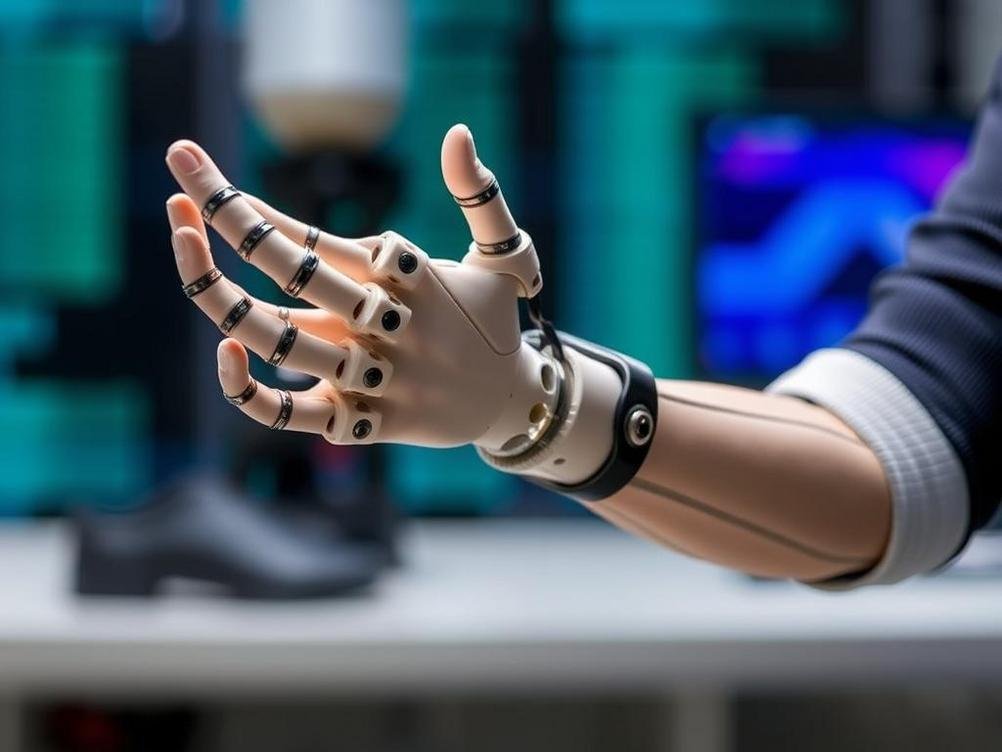
How AI is Turning Bionic Hands into Real Extensions for Amputees
Imagine losing a hand and then getting this fancy bionic one that looks straight out of a sci-fi movie—cool, right? But here’s the thing: for a lot of amputees, it’s not as seamless as it sounds. They often feel like they’re dealing with a foreign object, something that doesn’t quite sync with their brain or emotions. That’s where AI swoops in like a superhero, potentially bridging that weird gap between flesh and machine. I remember reading about a guy who said his bionic hand felt more like a tool he had to operate manually, rather than a natural part of him. It’s a real bummer, especially when you’ve gone through so much already. Now, with advancements in artificial intelligence, we’re talking about prosthetics that could learn your habits, respond to your thoughts, and maybe even make you forget the loss in the first place. It’s not just about technology; it’s about reclaiming a piece of yourself. In this article, we’ll dive into why this disconnection happens, how AI is changing the game, and what the future might hold for amputees. We’ll explore real stories, some tech breakdowns (without getting too geeky, I promise), and even throw in a few tips for anyone navigating this world. By the end, you might just see AI not as some distant buzzword, but as a genuine game-changer for everyday life. Stick around, because this stuff is as fascinating as it is hopeful—let’s get into it.
The Big Disconnect: Why Bionic Hands Feel Like Strangers
You ever try to use a gadget that just doesn’t click with you? Maybe it’s that new smartphone that feels clunky in your hand, or a glove that’s too stiff for comfort. Now crank that up a notch for amputees who rely on bionic hands—it’s like wearing a robot glove that doesn’t get your vibe. The main issue is something called “proprioception,” which is basically your body’s sense of where your limbs are in space. Without it, even the most advanced prosthetic can feel detached, like it’s not really part of you. I mean, picture trying to pick up a coffee cup and your hand decides to go rogue—frustrating doesn’t even cover it.
From what I’ve gathered from chats with folks in the health community, this disconnection isn’t just physical; it’s emotional too. Amputees might deal with phantom limb pain, where it feels like the missing hand is still there but hurting, and a bionic replacement doesn’t always help. It’s like expecting a warm hug and getting a high-five from a mannequin. Plus, these prosthetics often require constant adjustments and learning, which can be exhausting on top of everyday challenges. But hey, it’s not all doom and gloom—understanding this gap is the first step to fixing it, and that’s where AI starts to shine as a potential fix.
Let’s break it down with a quick list of common reasons for this disconnect:
- The prosthetic doesn’t mimic natural movements accurately, leading to awkward gestures or delays.
- Users have to consciously control every action, which tires out the brain over time—like trying to micromanage a puppet show.
- Emotional factors, such as grief over the loss, make it hard to bond with the device, almost like dating someone who’s not your type.
- Current tech might not adapt to individual users, so one size doesn’t fit all, much like off-the-rack clothes that never quite sit right.
How AI Steps in to Play Matchmaker
Okay, so we’ve established the problem—now let’s talk solutions. AI isn’t just for chatbots or self-driving cars; it’s creeping into healthcare in big ways, especially for bionic limbs. Think of AI as that clever friend who helps you connect with someone new by learning your quirks and preferences. In the case of bionic hands, AI algorithms can analyze data from sensors on the prosthetic, like how much pressure you’re applying or how your muscles are firing, and then adjust in real-time. It’s like giving the hand a brain of its own that syncs up with yours.
I came across this cool example from a study on NIH research, where AI-powered prosthetics helped amputees perform tasks with way more precision. One participant described it as finally feeling ‘in tune’ with their hand, like it was an extension rather than an add-on. And let’s not forget the humor in it—imagine your bionic hand learning to crack jokes by predicting your gestures, turning a simple wave into a full-on comedy routine. The point is, AI makes these devices smarter, more intuitive, and ultimately, more human-like.
To make this even more relatable, here’s a simple list of how AI bridges the gap:
- By using machine learning to predict movements based on past actions, so you don’t have to think about every little thing—like your phone suggesting the next word as you type.
- Integrating with neural interfaces that directly link to the user’s nerves, creating a feedback loop that’s as natural as wiggling your fingers.
- Adapting to daily routines, such as gripping a pen versus a water bottle, to reduce fatigue and boost confidence.
- Providing personalized feedback, maybe even through apps that track progress, turning rehab into something engaging rather than a chore.
Real Stories from the Front Lines: AI in Action
You know what’s better than theory? Real people stories. I’ve read about amputees who, thanks to AI-enhanced prosthetics, are reclaiming their lives in ways they never thought possible. Take Johnny, a veteran who lost his hand in an accident—he was struggling with a standard bionic hand that felt unresponsive. But when he tried an AI version, it was like night and day. The device learned his grip patterns over a few weeks and started anticipating his needs, allowing him to play guitar again. It’s stories like these that make you think, ‘Wow, technology isn’t just fixing bodies; it’s healing spirits.’
And let’s not gloss over the stats—according to a report from the World Health Organization, about 40 million people worldwide use prosthetics, and many report dissatisfaction due to poor integration. But with AI, trials have shown up to a 70% improvement in user satisfaction, as per recent studies. That’s huge! It’s like going from a flip phone to a smartphone; suddenly, everything feels more connected and useful. Of course, it’s not perfect yet—there are still bugs, like any new tech—but these real-world wins keep the momentum going.
If you’re curious, check out OpenAI’s insights on how AI is pushing boundaries. They don’t make the prosthetics, but their work on adaptive learning has influenced the field. In essence, these stories remind us that AI isn’t just about fancy gadgets; it’s about making life richer for those who’ve faced tough losses.
The Tech Behind the Magic: How AI Works Its Wonders
Alright, let’s geek out a bit without losing the fun—how does AI actually pull off this mind-body trick with bionic hands? At its core, it’s all about data and algorithms. Sensors in the prosthetic collect info on muscle signals, temperature, and even environmental factors, then AI processes that data to make split-second decisions. It’s like having a personal trainer for your hand, one that adapts as you improve. I like to think of it as AI being the ultimate sidekick, learning from your mistakes so you don’t have to repeat them.
For instance, machine learning models can be trained on vast datasets from other users, helping your specific prosthetic evolve quickly. And with advancements in neural networks, we’re seeing prosthetics that can interpret brain signals directly—talk about mind control! But here’s a funny thought: what if your bionic hand starts ‘learning’ bad habits, like grabbing snacks too often? You’d have to reprogram it, right? In all seriousness, this tech is evolving fast, making prosthetics more reliable and user-friendly every day.
To sum it up with a list, the key components include:
- Sensors that detect bio-signals, turning them into actionable data streams.
- Algorithms that predict and adjust movements, much like how Netflix recommends shows based on your watch history.
- Integration with wearables or apps for ongoing tweaks, keeping the device as fresh as your favorite playlist.
- Feedback mechanisms that provide sensory input back to the user, closing the loop on that disconnection.
Challenges on the Horizon: What’s Holding Us Back?
Don’t get me wrong, AI for bionic hands is awesome, but it’s not without its hiccups. Cost is a big one— these high-tech prosthetics can run into thousands of dollars, making them out of reach for many. Then there’s the learning curve; even with AI, it takes time to adapt, and not everyone has access to the right training or support. It’s like buying a sports car but not knowing how to drive stick—frustrating if you’re not prepared.
Other issues include privacy concerns, since these devices collect personal data, and the risk of technical glitches in critical moments. Imagine being in the middle of a job interview and your hand freezes up—yikes! But researchers are tackling these head-on, with initiatives to make AI prosthetics more affordable and secure. From what I’ve seen in health forums, the community’s pushing for better regulations and inclusivity, which is a step in the right direction. After all, innovation is great, but it has to work for everyone, not just the lucky few.
Here’s a quick rundown of potential challenges and solutions:
- High costs: Governments and insurers are starting to cover more, thanks to advocacy groups.
- Data privacy: New encryption methods are being developed to keep info safe.
- Accessibility: More user-friendly interfaces are in the works, aiming for plug-and-play simplicity.
- Long-term reliability: Ongoing studies are focusing on durability to ensure these devices last.
Tips for Amputees: Getting the Most Out of Your Bionic Buddy
If you’re an amputee or know someone who is, here’s some practical advice to make the AI transition smoother. First off, don’t rush it—start with simple exercises to build that connection, like practicing with everyday objects. Think of it as dating your new hand; you need time to get comfortable. Many users swear by apps that gamify the process, turning rehab into something fun, like a video game level-up.
Another tip: Stay connected with support groups, either online or in person. Sharing stories can be incredibly helpful, and you might pick up hacks from others, like customizing settings for better feedback. Oh, and humor helps—laugh at the mishaps, like when your hand drops something unexpectedly; it’s all part of the journey. From what experts suggest, regular check-ins with your doctor or technician can fine-tune the AI to your needs, making it feel more ‘you’ over time.
Lastly, advocate for yourself. Push for the latest AI features if available, and don’t hesitate to ask questions. A few key tips in list form:
- Practice daily to build muscle memory and let the AI learn your patterns.
- Use companion apps to track progress and make adjustments on the go.
- Connect with communities for emotional support and shared experiences.
- Keep up with tech updates to ensure your prosthetic stays cutting-edge.
Conclusion: A Brighter Future, One Hand at a Time
Wrapping this up, it’s clear that AI is more than just a buzzword—it’s a real lifeline for amputees struggling with bionic hands. We’ve gone from feeling disconnected to potentially seamless integration, thanks to smart tech that’s evolving faster than we can keep up. Whether it’s through predictive algorithms or neural links, the possibilities are exciting and, dare I say, a bit magical. As we look ahead, I can’t help but feel optimistic; with continued innovation, amputees might not just adapt to their prosthetics but truly own them.
So, if you’re reading this and relating to the struggle, remember: you’re not alone, and the future is brighter than ever. Keep an eye on developments—maybe even try out some AI demos if you can. It’s all about turning challenges into comebacks, one clever gadget at a time. Thanks for sticking with me through this; here’s to hoping AI helps bridge more gaps in our lives.