dailytech.ai
Is the AI Hype About to Burst? Why Concerns Are Louder Than Ever
Imagine scrolling through your feed and seeing yet another headline about how AI is going to revolutionize everything from your coffee maker to world peace. It’s exciting, right? But let’s be real for a second—haven’t we been here before? Think about the dot-com boom in the ’90s, where every startup with a website was hailed as the next big thing, only for the bubble to pop and leave a mess of overvalued stocks and shattered dreams. Now, fast-forward to 2025, and AI is the shiny new toy everyone’s chasing. The concerns aren’t just whispers anymore; they’re full-on shouts. With massive investments pouring in, from tech giants to your neighbor’s garage project, people are starting to worry if this AI frenzy is sustainable or just another overhyped bubble waiting to burst. In this article, we’re diving into why these fears are bigger than ever, exploring the wild ride of AI’s growth, the red flags waving in the wind, and what it all means for us regular folks. I’ll share some real-talk insights, a bit of history to put things in perspective, and even a few laughs along the way because, hey, if we’re talking about potential financial doom, we might as well enjoy the conversation. By the end, you might rethink how you view that AI chatbot on your phone—stick around, it’s going to be an eye-opener.
What Exactly is an AI Bubble, Anyway?
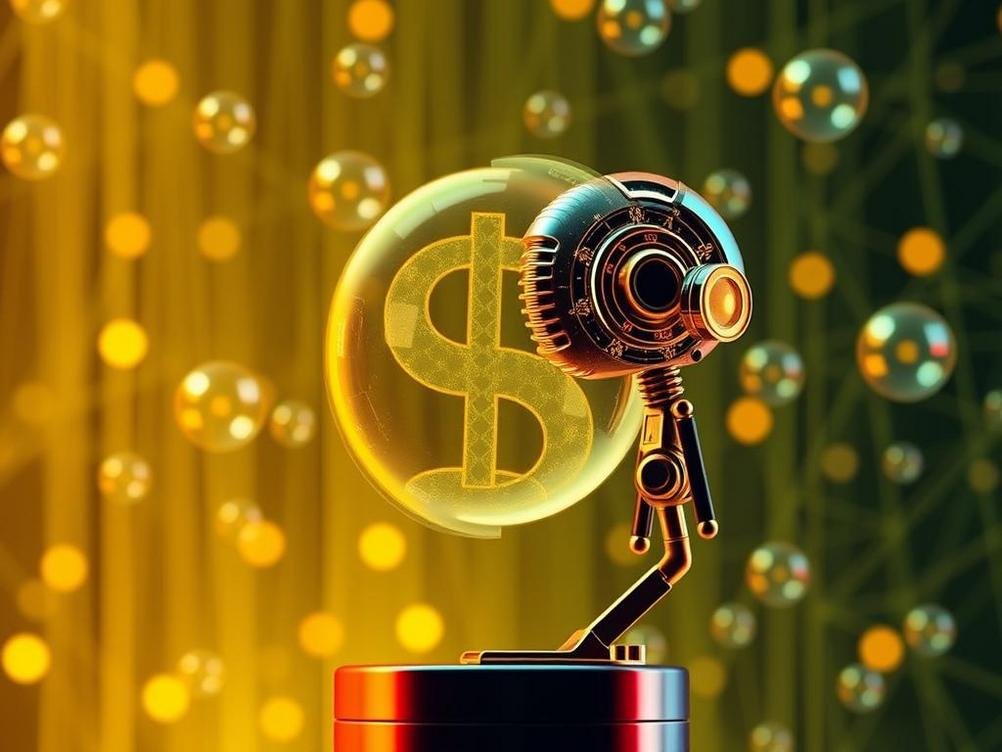
You know that feeling when everyone’s talking about the latest trend, and suddenly you’re convinced you need to jump on board or get left behind? That’s kind of what an AI bubble feels like. At its core, an AI bubble is when the hype around artificial intelligence inflates its value way beyond what’s realistic. We’re talking sky-high stock prices for AI companies that haven’t even turned a profit yet, all because investors are betting big on the promise of AI changing the world. But is it all smoke and mirrors? I’ve seen this movie before with cryptocurrencies a few years back—remember when Bitcoin was going to solve all our problems? Spoiler: it didn’t, at least not overnight.
What’s driving this now is a mix of rapid advancements and, let’s face it, a ton of marketing spin. Companies are slapping ‘AI-powered’ on everything from smart fridges to dating apps, making it seem like AI is the magic bullet. According to a report from McKinsey, AI investments hit over $200 billion in 2024 alone, but a lot of that is speculative. It’s like buying lottery tickets; sure, you might win big, but the odds are stacked. And here’s a humorous take: if AI were as revolutionary as promised, my virtual assistant would actually remember my shopping list without me repeating it five times. The point is, without solid fundamentals, this bubble could pop harder than a balloon at a kid’s party.
To break it down further, let’s list out some key elements that define an AI bubble:
- Overvaluation: Stocks like those of AI startups are trading at multiples that make no sense compared to their earnings.
- Hype cycles: Media and influencers push the narrative that AI will fix everything, from climate change to traffic jams, without much proof.
- Easy money: With low interest rates until recently, investors have been throwing cash at anything with ‘AI’ in the name, much like folks did with NFTs back in 2021.
Signs That We’re Knee-Deep in AI Hype
If you’re paying attention, the signs of an AI bubble are popping up everywhere, and they’re hard to ignore. For starters, look at how every tech conference these days is crammed with AI panels—it’s like AI is the guest of honor at every party. But beneath the glitz, there’s a nagging question: are we seeing real innovation or just a lot of repackaged tech? Take generative AI tools like ChatGPT; they’re amazing for whipping up an email or generating art, but companies are investing billions without clear returns. It’s reminiscent of the early 2000s when every business needed a ‘.com’ in its name to attract funding, even if they had no viable product.
Another red flag? The sheer number of AI startups flooding the market. In 2025, we’re seeing funding rounds that make your head spin—over $50 billion poured into AI ventures in the last quarter alone, as per data from TechCrunch. But many of these companies are essentially copying each other’s ideas. It’s funny how innovation works sometimes; everyone wants to be the next OpenAI, but not everyone’s got the secret sauce. I mean, if AI were truly taking over, why are we still dealing with robocalls that sound like they’re from the 90s? The truth is, while AI has made leaps, the gap between hype and reality is widening, and that could lead to a rude awakening for investors.
- Frenzied investments: Money is flowing into AI without due diligence, similar to how the housing market bubbled before the 2008 crash.
- Overpromising tech: Claims that AI will automate every job are overblown—statistics from the World Economic Forum show only about 23% of tasks are fully automatable in the next five years.
- Market saturation: With thousands of AI tools available, it’s getting harder to stand out, leading to potential failures.
Lessons from Past Bubbles We Shouldn’t Forget
History doesn’t repeat itself, but it sure does rhyme, as Mark Twain supposedly said. If we’re smart, we can learn from past bubbles to avoid getting burned by the AI one. Take the dot-com era: companies like Pets.com went from rock stars to relics overnight because they burned through cash without a solid business model. Fast-forward to today, and AI companies are doing the same thing—spending millions on servers and algorithms without a clear path to profitability. It’s like watching a repeat episode of your favorite show, except this time, you’re invested in it.
Then there’s the crypto bubble of 2022, where values skyrocketed on hype alone before crashing spectacularly. A study from the Bank for International Settlements highlighted how speculative bubbles often stem from irrational exuberance, and AI fits that bill perfectly. We’ve got folks pouring money into AI projects based on promises of ‘the next big breakthrough,’ but where’s the beef? In my view, it’s crucial to separate the wheat from the chaff. For instance, while AI has real applications in healthcare, like improving diagnostics, not every AI-enhanced app is going to change the world. If we don’t heed these lessons, we might end up with a market correction that’s as painful as a bad hangover after a wild night.
- Identify overhyping: Just because a company says it’s ‘AI-driven’ doesn’t mean it’s innovative—dig deeper.
- Watch for corrections: Historical data shows bubbles burst when fundamentals don’t match valuations, like in the 2000 tech crash.
- Balance optimism: AI has potential, but blind faith led to losses in past bubbles—stay grounded.
How Big Tech is Fanning the Flames
Let’s not kid ourselves; the big players like Google, Microsoft, and Meta are major culprits in inflating this AI bubble. They’re pouring billions into AI R&D, not just for progress but to keep their stock prices soaring. Take Microsoft’s investment in OpenAI—it’s turned into a goldmine on paper, but is it sustainable? These giants are using AI to dominate markets, acquiring startups left and right, which drives up valuations and makes the whole scene look like a feeding frenzy. It’s almost comical; it’s like they’re kids in a candy store, grabbing everything in sight before the parents (regulators) step in.
But here’s the downside: this concentration of power could lead to a monopoly scenario, stifling real innovation. Reports from the FTC indicate that Big Tech’s AI investments might be anti-competitive, potentially leading to a bubble burst if regulations tighten. Imagine if all that hype crashes because of antitrust lawsuits—it’s not as far-fetched as it sounds. In everyday terms, it’s like relying on one super-app for everything; sure, it’s convenient, but what happens when it glitches?
- Dominance plays: Companies like Alphabet are integrating AI into core products, inflating their worth.
- Marketing blitz: Ad campaigns make AI seem indispensable, drawing in investors like moths to a flame.
- Risks of overreach: If Big Tech falters, the ripple effect could tank the entire AI market.
The Real Risks for Investors and the Everyday Joe
Look, if you’re an investor, the AI bubble might seem like a jackpot, but there are some serious risks lurking. For one, overvalued stocks could plummet, wiping out portfolios faster than you can say ‘sell.’ We’ve seen it with AI-related ETFs that soared in 2024 but are now showing signs of volatility. And for the average person, this means job losses as AI automates roles, potentially leading to economic instability. It’s not all doom and gloom, but ignoring these risks is like driving without a seatbelt—just asking for trouble.
Then there’s the broader impact: if the bubble bursts, it could slow down AI development, delaying benefits like better healthcare AI that could save lives. Data from the OECD shows that AI could add $13 trillion to the global economy by 2030, but only if it’s managed right. So, how do we mitigate this? Start with diversification and education—don’t put all your eggs in the AI basket. And hey, a little humor helps: if AI takes over, at least we’ll have robotic butlers to console us during the fallout.
Is There a Way to Safely Ride the Wave?
Despite all the concerns, I’m not saying we should abandon AI altogether—after all, it’s already doing cool stuff like powering self-driving cars and personalized recommendations. The key is to approach it with a healthy dose of skepticism. Investors should focus on companies with real, tangible results rather than pie-in-the-sky promises. For example, firms like IBM are integrating AI practically, without the hype, and that’s where the safe bets lie. It’s about balancing excitement with caution, like enjoying a rollercoaster without forgetting your safety harness.
In practical terms, keep an eye on emerging regulations; the EU’s AI Act is a step in the right direction, promoting ethical development. And for everyday users, educate yourself on what AI can and can’t do—don’t fall for every shiny gadget. Who knows, maybe by being savvy, we can pop the bubble before it pops us.
Conclusion
As we wrap this up, it’s clear that the concerns about an AI bubble are more than justified, but they don’t have to spell disaster. We’ve explored the signs, the history, and the potential pitfalls, and what stands out is the need for a more grounded approach to AI’s future. By learning from past mistakes and pushing for responsible innovation, we can turn this hype into something truly beneficial. So, next time you hear about the latest AI breakthrough, take a breath, do your homework, and remember: the best tech is the one that actually works for us, not just on paper. Let’s keep the conversation going—who knows, maybe we’ll avoid the crash and steer AI towards a brighter tomorrow.