dailytech.ai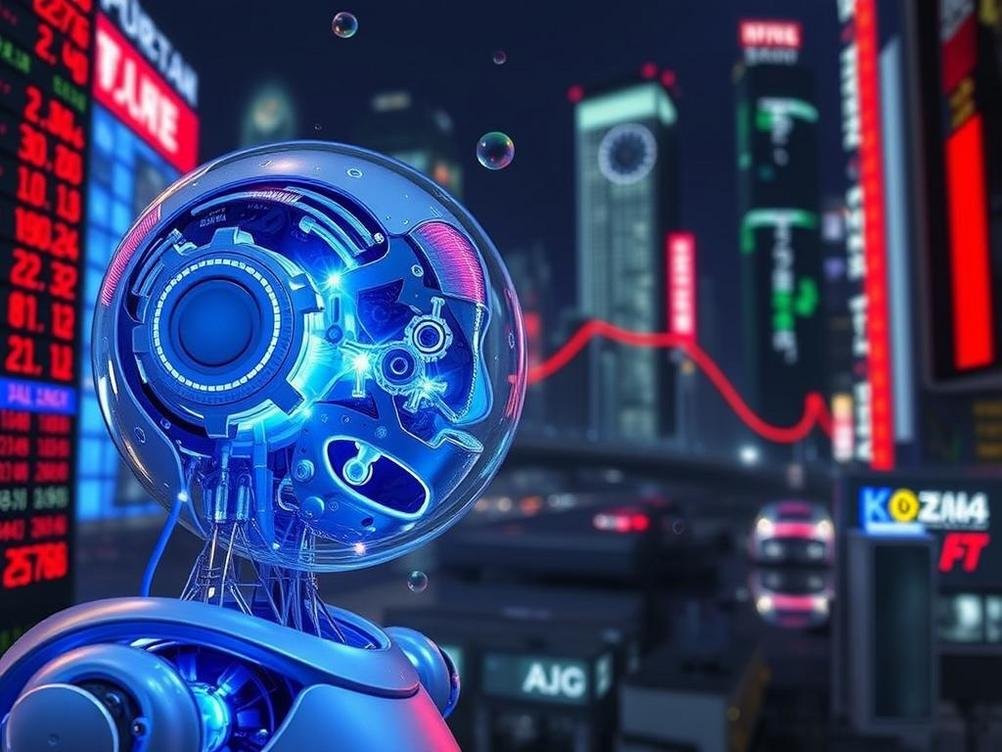
Is the AI Bubble About to Burst? Why Seoul Stocks Are Crashing and the Won Is Sinking Fast
You ever wake up one morning and think, “Wow, all that hype about AI taking over the world might just be a house of cards?” That’s exactly what folks in Seoul are dealing with right now. Picture this: South Korean stocks are tumbling faster than a kid on a slippery slide, all because of these nagging fears that the AI boom is turning into a big, fat bubble. We’re talking about the KOSPI index dropping like a rock, and the won hitting a seven-month low against the dollar. It’s got investors sweating bullets, wondering if we’ve overblown AI’s potential or if this is just a temporary dip in an otherwise exciting ride. I mean, remember when everyone was obsessed with crypto a few years back? Same vibes here – excitement mixed with a healthy dose of panic.
Now, as someone who’s kept an eye on tech trends for a while, I can’t help but chuckle at how quickly things flip. AI was supposed to be the next big thing, revolutionizing everything from healthcare to self-driving cars, but suddenly, it’s got the financial markets in a tailspin. In Seoul, companies like Samsung and SK Hynix, which are heavily invested in AI chips and tech, are seeing their shares nosedive. The won’s plunge? That’s adding fuel to the fire, making imports pricier and exports a bit trickier. It’s a classic case of global interconnectedness biting us in the backside. But hey, let’s dig into this mess and see what’s really going on, because understanding it might just help you navigate your own investments without losing your shirt.
Over the past few months, we’ve seen wild speculation in AI stocks worldwide, and Seoul isn’t immune. Analysts are throwing around numbers like the AI market could hit $15.7 trillion by 2030 – that’s according to McKinsey – but is that realistic, or are we just chasing rainbows? This article isn’t about scaremongering; it’s about breaking it down in a way that’s relatable, maybe even a little fun. We’ll explore why Seoul’s shares are tanking, what an AI bubble even means, and how it ties into the won’s woes. Stick around, and by the end, you might feel a bit smarter about this crazy world of tech and finance.
What’s Fueling the Panic in Seoul’s Stock Market?
Alright, let’s kick things off with the basics: why are Seoul’s shares suddenly acting like they’ve got a bad case of the Mondays? It all boils down to this overhyped AI sector that’s starting to show cracks. Investors poured billions into AI-related stocks, thinking it’d be the golden goose, but now they’re second-guessing everything. For instance, big names like Samsung Electronics have seen their stock values drop by over 10% in recent weeks, all because of fears that AI demand might not live up to the hype. It’s like throwing a party and realizing nobody showed up.
One big trigger was a series of reports from financial analysts pointing out that AI companies are burning through cash faster than a bonfire in summer. Take Nvidia, which has a massive footprint in AI chips; their stock’s been volatile, and that ripple effect hit Seoul hard. South Korea’s market is super sensitive to global tech trends since it’s home to key players in semiconductors. If Wall Street sneezes, Seoul catches a cold. And don’t forget the broader economic factors – inflation’s still lurking, interest rates are up, and geopolitical tensions with neighbors aren’t helping. It’s a perfect storm, really.
To put it in perspective, the KOSPI index fell more than 2% in a single day last week, marking its worst performance since early 2024. That’s not just numbers on a screen; it’s affecting everyday folks, from retirees watching their pensions shrink to young traders panicking over their portfolios. If you’re into stocks, you might want to check out resources like the Korea Exchange website for real-time data (english.krx.co.kr) to keep tabs on this.
The AI Bubble: Is It All Smoke and Mirrors?
Okay, so what’s an AI bubble anyway? Think back to the dot-com era in the late ’90s – companies with “.com” in their name were skyrocketing, even if they had no real profits. Sounds familiar, right? With AI, we’re seeing valuations skyrocket based on potential rather than solid earnings. Companies are pouring money into generative AI, chatbots, and machine learning, but is it sustainable? Probably not, if history’s any guide. In Seoul, this fear is amplified because South Korea’s economy is so tied to tech exports.
Let me paint a picture: Imagine you’re at a casino, and everyone’s betting on AI as the next big win. But what if the deck’s stacked? Reports from firms like Goldman Sachs suggest that AI might not deliver the explosive growth we expected, with returns possibly lagging behind initial projections. That’s got investors in Seoul pulling back, causing shares to tumble. It’s not that AI is doomed – far from it; tools like ChatGPT have changed how we work – but the bubble talk is making people cautious. You know, it’s like that friend who buys the latest gadget only to find it’s got a short battery life.
- Overvaluation: Many AI firms are trading at multiples that don’t match their revenue.
- Supply chain issues: Shortages in chips and materials are hitting South Korean manufacturers hard.
- Regulatory hurdles: Governments worldwide are cracking down on AI ethics, which could slow innovation.
How the Won’s Plunge is Making Things Worse
Now, let’s talk about the won, which has sunk to a seven-month low. It’s like the currency decided to join the party and trip over its own feet. When stocks tumble, it puts pressure on the national currency, and for South Korea, that’s a big deal since they rely heavily on exports. A weaker won means imports get pricier, which hits everything from oil to electronics components. This isn’t just abstract economics; it’s affecting real people, like families dealing with higher grocery bills.
Why’s this happening now? Well, as investors flee from risky assets like stocks, they flock to safe havens like the US dollar, which strengthens against currencies like the won. According to the Bank of Korea, the exchange rate hit around 1,400 won per dollar recently, a level we haven’t seen since early this year. It’s a vicious cycle: falling stocks erode confidence, which weakens the currency, which then makes stocks look even riskier. If you’re traveling or doing business in South Korea, this could mean your money doesn’t go as far. For a laugh, think of the won as that underdog in a movie who keeps getting knocked down but might just make a comeback.
To break it down further, here’s a quick list of factors at play:
- Global risk aversion: With AI fears spreading, capital is flowing out of emerging markets.
- Economic data: South Korea’s GDP growth slowed to 2.3% in the last quarter, adding to the woes.
- Interest rate differences: The US Federal Reserve’s policies make the dollar more attractive.
Global Ripples: How AI Fears Are Spreading Worldwide
This isn’t just a Seoul problem; it’s gone global faster than a viral meme. AI bubble fears are echoing in markets from Wall Street to Tokyo, and it’s got everyone on edge. For South Korea, being a key player in the global supply chain means they’re feeling the pinch more. Companies like TSMC in Taiwan are also seeing dips, which directly impacts Seoul’s tech sector. It’s all connected, like a web where tugging one string shakes the whole thing.
Take the US, for example: The S&P 500 has had its shaky days too, with AI-heavy stocks like Microsoft taking hits. Analysts from Bloomberg predict that if the AI bubble bursts, it could shave off trillions from global markets. That’s scary, but it’s also a reminder that innovation comes with risks. In Seoul, this means local businesses are scrambling to adapt, maybe by diversifying into other areas like green energy. Humor me here – it’s like when your favorite band releases a flop album; you still love them, but you might not buy tickets next time.
And let’s not forget the human angle. Jobs are on the line as AI automates roles, which is adding to the economic anxiety. If you’re interested in more global perspectives, sites like Reuters offer solid coverage (reuters.com).
Tips for Navigating This AI-Driven Market Madness
If you’re an investor or just someone keeping an eye on the markets, this chaos might have you reaching for the popcorn. But seriously, how do you play it safe? First off, diversify your portfolio like it’s a mixed playlist – don’t put all your eggs in the AI basket. In Seoul’s case, looking at stable sectors like healthcare or consumer goods could be a smarter move right now.
Another tip: Stay informed but don’t overreact. Read up on reports from sources like the IMF, which recently warned about tech bubbles. And for a bit of fun, think of investing like dating – sometimes you need to play the long game. If you’re in South Korea, consider consulting local financial advisors who know the ins and outs of the won and KOSPI.
- Do your research: Use tools like Yahoo Finance to track trends.
- Set limits: Decide on stop-loss points to protect your investments.
- Think long-term: AI isn’t going away; it’s evolving, so patience might pay off.
Lessons from the Past: Bubbles That Burst and What We Learned
History doesn’t repeat itself, but it sure rhymes, as Mark Twain supposedly said. Look at the 2000 dot-com bubble or the 2008 housing crash – both were fueled by overenthusiasm, just like today’s AI frenzy. In Seoul, the 1997 Asian financial crisis was a wake-up call, and folks there know all about economic downturns. The key lesson? Don’t get swept up in the hype without checking the fundamentals.
For instance, during the dot-com era, companies like Pets.com went bust because they prioritized growth over profits. Sound like some AI startups? Exactly. But silver linings exist; post-bubble, we got innovations like streamlined tech that powers today’s world. In South Korea, this could mean emerging stronger with better regulations. It’s a bit like cleaning out your closet after a shopping spree – painful at first, but you end up with what really matters.
As for statistics, a study by the World Economic Forum shows that previous bubbles led to a 20-30% market correction on average. Use that as a benchmark if you’re crunching numbers.
Conclusion
Wrapping this up, the tumble in Seoul’s shares and the won’s plunge amid AI bubble fears is a stark reminder that even the shiniest tech trends can have a dark side. We’ve seen how overhyping AI has led to market jitters, but it’s not all doom and gloom – this could be the nudge we need for more sustainable growth. Whether you’re an investor in Seoul or just curious about global finance, keeping a balanced view is key.
At the end of the day, AI’s potential is massive, but so are the risks. Let’s learn from this, stay adaptable, and maybe even find the humor in it all. Who knows, the next big breakthrough might be right around the corner. So, keep an eye on the markets, diversify your bets, and remember: in the world of finance, it’s not about timing the market, but time in the market.