dailytech.ai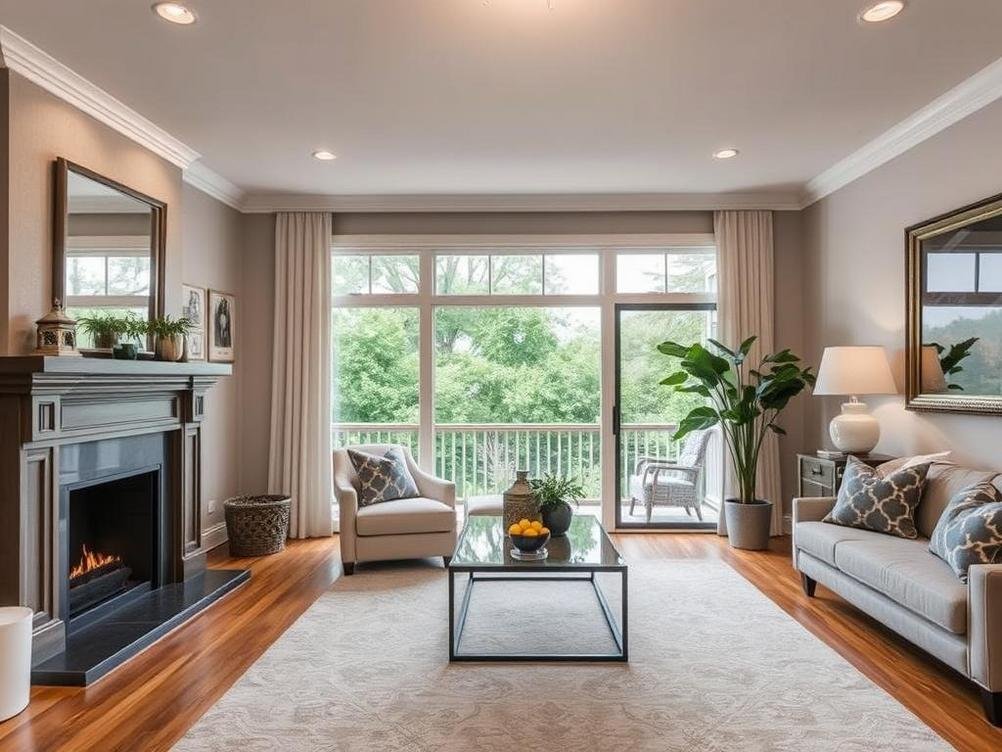
Why AI-Generated Home Photos Are Fooling Buyers and How to Spot the Fakes
Ever scrolled through real estate listings and felt that rush of excitement when you spot what looks like your dream home? Yeah, me too. But lately, I’ve been hearing from friends and readers about this sneaky new trend that’s got weary homebuyers pulling their hair out—AI-generated photos that make crappy houses look like luxury palaces. Picture this: You’re hunting for a cozy starter home, and bam, you see a listing with a kitchen that rivals a magazine spread, only to show up and find it’s basically a time warp from the 1970s with peeling wallpaper and mystery stains. It’s not just annoying; it’s becoming a real headache in the housing market. As someone who’s dabbled in buying and selling homes, I’ve seen how technology can be a game-changer, but when AI starts playing fast and loose with the truth, it’s like giving a kid a paintbrush and telling them to “enhance” your family portrait—things get weird fast. In this article, we’ll dive into why these misleading AI images are popping up everywhere, how they’re tricking folks like you and me, and some down-to-earth tips to avoid getting duped. Stick around, because by the end, you’ll feel a lot smarter about navigating the wild world of online house hunting in 2025.
What Exactly Are AI-Generated Listing Photos?
You know how your phone can slap a filter on your selfies to make you look like a movie star? Well, AI does that—but for houses. These aren’t your grandma’s Photoshop jobs; we’re talking about smart algorithms that can transform a dingy basement into a sunlit oasis with just a few clicks. Tools like those from companies such as Adobe or even free ones like DALL-E (which you can check out at labs.openai.com) are being used by real estate agents to jazz up listings. The idea is to make properties more appealing, but it often crosses into straight-up deception. Imagine a photo where a cracked driveway suddenly looks freshly paved or a tiny backyard gets an AI makeover to look like a sprawling garden—it’s all smoke and mirrors.
But here’s the thing: Not all AI enhancements are bad. They can fix lighting or remove clutter, which might actually help sellers showcase the home’s potential. The problem kicks in when these tweaks turn into full-blown fantasies. I remember chatting with a buddy who almost bought a house based on a listing that showed a modern open-plan layout, only to find out it was a narrow, walled-off space. It’s like ordering a gourmet burger and getting a fast-food patty—disappointing and a waste of time. So, while AI is revolutionizing how we present properties, it’s also raising some eyebrows about ethics in real estate.
To break it down further, let’s list out what typically goes into these AI photos:
- Image enhancement: Brightening rooms, fixing colors, or removing flaws to make everything pop.
- Virtual staging: Adding furniture or decor that isn’t actually there, like plopping a chic sofa into an empty living room.
- Structural alterations: AI might extend rooms or add features, such as a balcony that doesn’t exist.
- Environmental changes: Swapping out a rainy day for a sunny one or adding greenery that’s not in the yard.
The Real Dangers of These Misleading Images
Okay, so what’s the big deal? If a photo makes a house look better, isn’t that just good marketing? Not quite. These AI tweaks can lead to some serious headaches for buyers, like wasting time on viewings that end in frustration or even legal issues if undisclosed changes mislead you into a bad purchase. Think about it—you’re already stressed from house hunting, dealing with high prices and bidding wars, and now you’ve got to second-guess every photo. It’s like going on a blind date where the profile pic is from 10 years ago; you’re in for a surprise that might not be pleasant.
From what I’ve read in recent reports (and trust me, the real estate forums are buzzing about this), misleading AI photos can inflate property values. A study from last year by the National Association of Realtors suggested that overly enhanced listings might lead buyers to overbid by as much as 10-15%, assuming they’re getting more than they are. That’s real money down the drain! Plus, it erodes trust in the whole industry. If you can’t believe the pictures, how do you know what’s real? It’s a bit like that time I bought a “new” gadget online that turned out to be a knockoff—annoying and avoidable with better info.
Another angle: These fakes can disproportionately affect first-time buyers or those in a rush. Here’s a quick list of potential pitfalls:
- Financial losses from overpaying or needing costly renovations.
- Emotional burnout from dashed expectations.
- Delayed decisions, as you spend more time verifying listings.
- Legal headaches if sellers or agents aren’t upfront about modifications.
Funny (and Not-So-Funny) Real-World Examples
Let’s lighten things up a bit because, honestly, some of these AI mishaps are hilarious in hindsight. I came across a story online about a listing in California where the AI added a swimming pool to a property that was basically a concrete slab. The buyer was all set to make an offer until they drove by and realized it was just a kiddie pool in the neighbor’s yard—oops! It’s like when your friend brags about their “beach house” and it’s a shack with a view of a puddle. These tales make for great dinner party stories, but they highlight how out of hand things can get.
On a more serious note, I’ve seen examples where AI photos hid major issues, like structural damage or flooding risks. One viral post on Reddit showed a house with AI-erased water stains, leading to a buyer discovering mold after moving in. Yikes! It’s not just about aesthetics; it’s about safety. If you’re in the market, check out sites like Zillow or Realtor.com (visit www.zillow.com for more), where users sometimes share unedited photos in the comments. Humor aside, these stories remind us that AI isn’t always the hero of the story.
To put it in perspective, here are a few stats that might surprise you: According to a 2025 survey by Tech for Real Estate, about 40% of listings now use some form of AI editing, and nearly 25% of buyers report feeling misled. That’s a lot of folks saying, “Wait, what?”
How to Spot Those Sneaky AI-Generated Photos
Alright, enough complaining—let’s get practical. If you’re out there browsing listings, how do you tell if a photo’s been AI’d to death? Start by looking for inconsistencies, like shadows that don’t match up or objects that seem too perfect. For instance, if a room looks unnaturally symmetrical or the lighting is flawless in every shot, that’s a red flag. It’s kind of like spotting a fake designer bag—the details don’t add up. Tools like Google’s reverse image search (try it at www.google.com/imghp) can help you see if the photo’s been used elsewhere or edited heavily.
Another tip: Zoom in and check for artifacts, like blurry edges or repeated patterns that AI often leaves behind. I once caught a listing with a “beautiful garden” that had the same flower repeated like a bad wallpaper pattern—classic AI goof. And don’t forget to ask the agent directly: “Hey, has this been enhanced?” Most pros are upfront if you prod a little. It’s all about being a savvy shopper in this digital age.
If you want a step-by-step approach, here’s a simple list:
- Compare multiple photos from the listing for consistency.
- Use free AI detection tools like those from huggingface.co.
- Look for unnatural elements, such as impossible angles or overly vibrant colors.
- Cross-reference with street view on Google Maps.
Tips for Homebuyers to Stay One Step Ahead
So, you’ve spotted a potential fake—now what? My advice is to always schedule a virtual tour or in-person visit ASAP. Don’t rely solely on photos; think of them as the teaser trailer, not the full movie. In 2025, with video tours being so common, demand one from the seller. It’s like test-driving a car before buying—you wouldn’t skip that, right? Plus, working with a trusted real estate agent who knows the local market can be a lifesaver. They often have the inside scoop on what’s real and what’s not.
Building on that, educate yourself on AI trends. Follow real estate blogs or join online communities where people share their experiences. I’ve learned a ton from forums like those on Reddit’s r/RealEstate, where folks swap stories and tips. And hey, if you’re feeling bold, negotiate based on discrepancies—if the house doesn’t match the listing, use that as leverage. Remember, the housing market is tough enough without these tech tricks; arming yourself with knowledge makes it a fairer fight.
Here’s a quick checklist to keep handy:
- Verify details with the seller or agent before getting serious.
- Budget for potential surprises, like renos to fix what AI hid.
- Document everything—screenshots and notes can protect you later.
The Bigger Picture: AI’s Role in Real Estate Going Forward
Looking ahead, AI isn’t going anywhere; it’s evolving faster than we can keep up. By 2026, we might see regulations that require disclosures for AI-edited photos, which would be a win for everyone. But for now, it’s a double-edged sword—helpful for virtual staging but harmful when it misleads. I like to think of it as that friend who’s great at parties but sometimes overshares; we need boundaries. As the tech improves, maybe we’ll get to a point where AI helps create accurate representations instead of fantasies. Isn’t that the dream?
In the meantime, platforms like Zillow are already testing transparency features, labeling AI enhancements. It’s a step in the right direction, but buyers still need to stay vigilant. From my chats with industry folks, the key is balance—using AI as a tool, not a trick.
Conclusion
In wrapping this up, misleading AI listing photos might be the latest curveball for homebuyers, but with a bit of awareness and some smart strategies, you can dodge the pitfalls and find that perfect place without the surprises. We’ve covered the basics of what these photos are, the risks they pose, and how to spot and avoid them—all while sharing a laugh or two at the absurdity. At the end of the day, the real estate game is about building a home, not chasing illusions, so stay curious, ask questions, and trust your gut. Who knows, maybe by next year, we’ll all be experts at decoding AI shenanigans and turning the tables on those tricky listings. Happy house hunting, folks—may your dreams be as real as they look!