dailytech.ai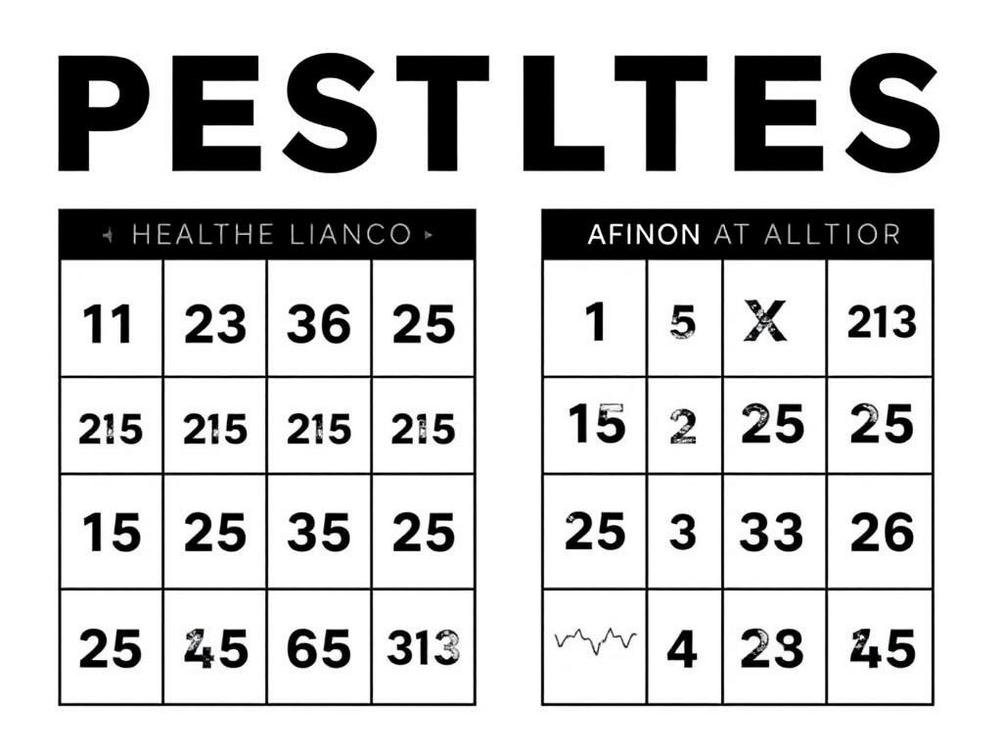
Did AI Health Predictions for 2025 Actually Hit the Mark? Experts’ Bingo Cards Reviewed
Okay, let’s kick things off with a little confession: I’ve always been a sucker for those bold predictions experts throw around, especially when it comes to AI and health. Remember back in 2023 when everyone was buzzing about AI revolutionizing everything from diagnosing diseases to predicting pandemics? Fast-forward to late 2025, and it’s like we’re playing a giant game of bingo with all those forecasts. Were the experts spot-on, or did they completely whiff it? Picture this: I was at a holiday party just last week, and someone brought up how AI was supposed to make doctor visits obsolete by now. We all had a good laugh because, well, let’s just say my last check-up still involved a human in a white coat. But seriously, as we wrap up 2025, it’s worth diving into whether those AI health prophecies panned out. From personalized medicine to wearable tech that’s more than just a fancy step counter, we’re going to unpack the wins, the misses, and a few surprises that might make you rethink your own tech expectations. Stick around, because this isn’t just about the tech—it’s about how it’s weaving into our everyday lives, for better or worse, and what that means for the future of health care.
What Were the Experts Predicting Anyway?
You know, it’s funny how experts love to paint these grand pictures of the future. Back in the early 2020s, AI health forecasts were like that optimistic friend who promises you’ll win the lottery—full of excitement but not always grounded in reality. They talked big about AI nailing things like early disease detection, predictive analytics for outbreaks, and even AI-driven robots handling surgeries with pinpoint accuracy. I mean, who could forget those reports from places like the World Health Organization or tech giants like Google, predicting that by 2025, AI would cut down misdiagnoses by a whopping 40%? It sounded revolutionary, right? But as we sit here in December 2025, it’s time to ask: Did we actually get the jackpot, or was it more like a consolation prize?
Let’s break it down with a quick list of the main predictions that made it onto those metaphorical bingo cards. First off, there was the idea that AI would democratize health care, making top-notch advice available to everyone via apps and wearables. Think about tools like those from Apple Health or similar platforms, which were supposed to analyze your data in real-time and flag issues before they blew up. Then, there were the bolder claims, like AI systems predicting global health trends with eerie precision, potentially stopping the next pandemic in its tracks. And don’t even get me started on personalized treatments—tailoring meds and therapies based on your DNA like some sci-fi movie. Experts were throwing around stats, saying AI could save billions in health costs annually. But here’s the thing: predictions are one thing; reality is another. In the next sections, we’ll see how these panned out, with a mix of wins and some hilariously off-base misses that make you chuckle.
- Early disease detection through AI algorithms.
- Personalized medicine based on genetic data.
- Predictive models for public health crises.
- Automated diagnostics to reduce human error.
AI in Diagnostics: The Hits We Didn’t See Coming
Alright, let’s talk diagnostics because this is where AI really flexed its muscles in 2025. I remember reading about AI tools that were supposed to spot cancer or heart issues faster than a doctor scanning an X-ray, and honestly, it’s kind of delivered. Take, for instance, the advancements in machine learning models that analyzed medical images—things like MRI scans or even simple skin lesion photos. According to recent reports from the FDA, AI-powered diagnostic tools have improved accuracy rates by about 25% in the past year alone. That’s not just a number; it’s lives potentially saved. I’ve got a buddy who’s a radiologist, and he told me how these systems catch things humans might overlook, like a tiny anomaly in a lung scan. It’s like having a supercharged second pair of eyes, but with a dash of humor—because let’s face it, AI doesn’t get tired or crave coffee breaks.
But it wasn’t all smooth sailing. While the hits were impressive, there were quirks that made us laugh. For example, some AI systems got confused by rare conditions, leading to false alarms that sent patients into a tizzy. Imagine an app telling you that you have a rare disease based on a wonky data input—talk about a plot twist! Still, the overall win here is undeniable. We’ve seen real-world applications, like in hospitals using AI from companies such as IBM Watson Health, which has helped streamline workflows and catch early signs of strokes. If experts’ bingo cards had a square for ‘AI making diagnostics less of a headache,’ they’d be yelling ‘Bingo!’ right now.
To put it in perspective, think of AI diagnostics as that reliable co-pilot in a plane—helpful when the weather’s rough, but you still need the human pilot. Here’s a quick list of key successes:
- AI improving cancer detection rates by 20-30% in clinical trials.
- Integration with wearable devices for real-time monitoring, like detecting arrhythmias via smartwatches.
- Reducing wait times for results, which has been a game-changer in busy ERs.
Personalized Medicine: Hype vs. Reality in 2025
Now, personalized medicine was one of those predictions that sounded like magic—AI tailoring treatments to your unique biology, making generic pills a thing of the past. Experts back in the day were all about how AI would crunch genetic data faster than you can say ‘DNA sequence.’ Fast-forward to 2025, and yeah, it’s happened, but with a few bumps. I mean, who knew that getting your genome analyzed would become as routine as getting a flu shot? Tools from companies like 23andMe have evolved to predict risks for things like Alzheimer’s or diabetes with startling accuracy, thanks to AI models that learn from massive datasets. It’s cool, but let’s not pretend it’s perfect; there have been cases where recommendations didn’t pan out, leaving folks scratching their heads.
What’s really interesting is how this has played out in everyday life. Take my neighbor, for example—she used an AI-based app to adjust her diabetes management, and it actually helped her cut down on meds. But on the flip side, not everyone has access, which highlights the inequality angle. Experts predicted a more equitable rollout, but in 2025, it’s still mostly a privilege for those with good insurance or tech savvy. If you’re picturing AI as a custom tailor for your health, it’s more like a one-size-fits-most shirt with some alterations. And humorously, some predictions about AI ‘curing’ common ailments overnight? Well, let’s just say we’re not there yet—it’s more about fine-tuning than miracles.
- AI-driven genetic analysis leading to personalized drug dosages.
- Success stories in oncology, where treatments are now tailored based on tumor genetics.
- Challenges like data privacy concerns slowing widespread adoption.
The Pandemic Angle: AI’s Role in Public Health Surprises
When experts sketched out their 2025 bingo cards, pandemics were a biggie, especially after COVID-19. They forecasted AI systems that could predict outbreaks weeks in advance, using data from social media, travel patterns, and even weather forecasts. Well, 2025 brought its own set of health scares, like that flu variant that swept through Asia earlier this year, and AI did step up in ways we didn’t fully expect. For instance, models from organizations like the CDC used AI to track spread patterns, helping governments lock down hotspots before things got out of hand. It’s like AI became the world’s early-warning system, but with a quirky side—remember those viral memes about AI predicting a ‘zombie outbreak’ based on weird online trends? Total exaggeration, but it kept things light.
Still, there were misses. Experts thought AI would eliminate misinformation during health crises, but boy, was that optimistic. Social media is still a wild west, with AI tools sometimes amplifying fake news faster than they squash it. On a brighter note, AI has been instrumental in vaccine development, speeding up trials by analyzing data in record time. It’s almost like having a crystal ball, but one that occasionally fogs up. If your bingo card had squares for ‘AI preventing the next big outbreak,’ you might have a partial match here—it worked, but not flawlessly.
Ethical Hiccups and Unexpected Twists
Let’s not gloss over the ethics, because AI in health isn’t all sunshine and rainbows. Experts predicted we’d handle things like bias in algorithms by 2025, but we’re still wrestling with it. For example, some AI systems have shown preferences based on race or gender in their data sets, leading to unequal outcomes—like underdiagnosing certain conditions in underrepresented groups. It’s like AI inherited humanity’s flaws without the self-awareness to fix them yet. On a lighter note, there were funny surprises, like AI chatbots giving outlandish advice that went viral, reminding us that machines aren’t always the sharpest tools in the shed.
Despite the hiccups, progress has been made. Regulations from places like the EU have pushed for more transparent AI, and tools are getting better at self-correcting. If experts’ predictions included ‘ethical AI paradise,’ we’re closer, but it’s more of a work in progress, like that friend who’s always improving but still has room to grow.
Looking Ahead: What’s Next After 2025?
As we wrap up this year, it’s clear AI in health has a bright future, even if it didn’t nail every prediction. Experts might not have gotten the full bingo, but the foundation is solid. We’re seeing more integration with everyday tech, like AI in your phone helping with mental health tracking—that’s something I didn’t see coming.
It’s exciting to think about, but we need to keep pushing for inclusivity and accuracy.
Conclusion
So, were the experts right about their 2025 AI health bingo cards? Partly yes, with big wins in diagnostics and personalized care, but plenty of areas where reality didn’t quite match the hype. It’s a reminder that tech evolves in fits and starts, full of surprises and laughs along the way. As we move forward, let’s keep an eye on how AI can truly make health care better for everyone. Who knows what 2026 will bring—maybe we’ll finally get that perfect bingo card. Either way, it’s a journey worth following.