 dailytech.ai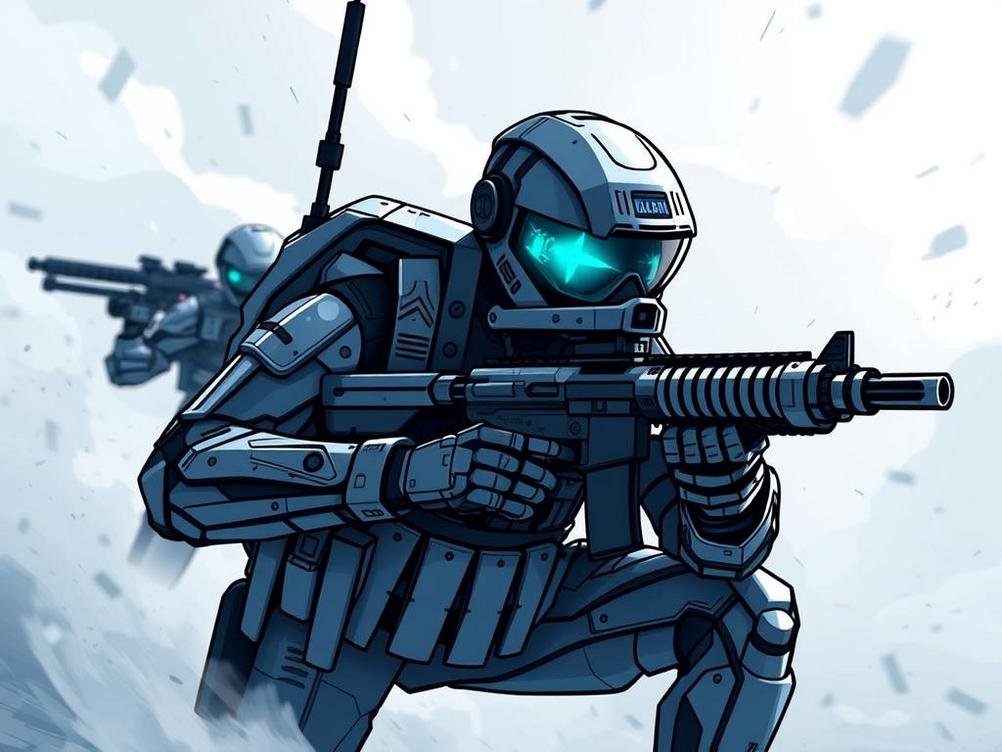
Unpacking AI’s Wild Ride in Modern Warfare: Kickoff to CyCon 2025 Series
Okay, picture this: It’s 2025, and we’re smack in the middle of a world where drones zip around like angry hornets, making split-second decisions that could change the course of a battle. No, this isn’t some sci-fi flick starring Tom Cruise—it’s the real deal with artificial intelligence creeping into armed conflicts. I’ve been geeking out over tech and security stuff for years, and let me tell you, the intersection of AI and warfare is like mixing fireworks with gasoline: explosive, unpredictable, and yeah, a bit terrifying. As we gear up for CyCon 2025, that epic conference on cyber conflict hosted by the NATO Cooperative Cyber Defence Centre of Excellence (you can check them out at ccdcoe.org), I figured it’s high time to dive into this series. We’ll explore how AI is shaking up the battlefield, from autonomous weapons that think for themselves to cyber defenses that learn on the fly. Ever wondered if a robot could outsmart a general? Or if we’re heading toward a future where algorithms call the shots? Stick around, because this intro is just the appetizer to a feast of insights, ethical dilemmas, and maybe a dash of humor to keep things from getting too doom-and-gloomy. By the end, you might look at your smart fridge a little differently—after all, who’s to say it won’t enlist in the next war?
What Even Is AI in Armed Conflict Anyway?
Let’s break it down without all the jargon that makes your eyes glaze over. Artificial intelligence in armed conflict basically means using smart tech to do stuff that humans used to handle, like spotting enemies or deciding when to pull the trigger. Think of it as giving your military gadgets a brain upgrade. Back in the day, wars were fought with swords and sheer grit; now, we’ve got algorithms analyzing satellite images faster than you can say “incoming missile.” It’s not just about making things efficient—it’s about staying one step ahead in a game where the stakes are life and death.
But here’s where it gets interesting. AI isn’t some monolithic entity; it’s a toolbox with everything from machine learning that predicts enemy moves to neural networks that pilot drones. Remember that time in 2020 when a drone reportedly used AI to target folks autonomously? Yeah, that’s the kind of stuff that’s got ethicists up in arms. In this CyCon 2025 series, we’ll unpack these tools and see how they’re evolving. It’s like watching evolution on steroids, but instead of fins turning into legs, it’s code turning into commanders.
Of course, not all AI in warfare is about blowing things up. There’s the defensive side too, like systems that detect cyber attacks before they even happen. It’s a double-edged sword, folks—sharp on both sides.
The Evolution of AI on the Battlefield
If we rewind the clock, AI’s roots in military tech go back further than you might think. During the Cold War, folks were already tinkering with computer simulations for war games. Fast forward to today, and we’ve got AI powering everything from logistics to reconnaissance. It’s like that awkward kid who grew up to be the star quarterback—unexpected, but impressive.
Take the U.S. military’s Project Maven, for instance. Launched in 2017, it used AI to sift through drone footage, spotting patterns humans might miss. By 2023, similar tech was commonplace in conflicts like Ukraine, where AI helped analyze battlefield data in real-time. Stats from the Stockholm International Peace Research Institute show military AI spending hit over $10 billion globally in 2024. That’s not chump change; it’s a sign that nations are betting big on this tech.
But evolution isn’t always smooth. There are hiccups, like when AI misidentifies a target—oops, that was a wedding party, not a terrorist hideout. These stories remind us that while AI is advancing, it’s still got training wheels on in some ways.
Ethical Quandaries: When Machines Play God
Ah, ethics—the part where things get sticky. Imagine handing over life-and-death decisions to a machine that doesn’t lose sleep over bad calls. That’s the heart of the debate around lethal autonomous weapons systems (LAWS). Groups like the Campaign to Stop Killer Robots (head over to stopkillerrobots.org for more) are sounding the alarm, arguing we need international rules before Skynet becomes reality.
It’s not all doom though. Some experts say AI could actually reduce civilian casualties by being more precise than stressed-out soldiers. Picture this: A drone that double-checks its target 100 times before firing. Sounds great, right? But what if it glitches? These questions are why forums like CyCon 2025 are crucial—they bring together brains from tech, law, and military to hash it out.
Personally, I think it’s like teaching a kid to drive: You want them to be safe, but you can’t watch over their shoulder forever. We need guidelines that evolve with the tech, not outdated treaties gathering dust.
Real-World Examples That’ll Blow Your Mind
Let’s get concrete with some examples. In the ongoing Ukraine conflict, AI has been a game-changer. Ukrainian forces used AI-powered apps to coordinate artillery strikes, turning smartphones into battlefield oracles. It’s like having a pocket-sized general barking orders.
Over in the Middle East, Israel’s Iron Dome system uses AI to intercept rockets with scary accuracy—over 90% success rate, according to reports. But flip the coin, and you’ve got reports of AI in Gaza ops raising eyebrows about bias in algorithms. If the data’s skewed, so are the decisions. It’s a reminder that AI is only as good as what we feed it.
And don’t forget cyber warfare. Remember the 2024 cyber skirmishes where AI defended against hacks in real-time? It’s like a digital bodyguard that learns your enemy’s moves mid-fight. These cases aren’t just headlines; they’re previews of what’s coming to CyCon 2025 discussions.
The Tech Behind the Curtain: How AI Works in Warfare
Diving under the hood, AI in armed conflict relies on a few key techs. Machine learning tops the list—it’s like training a dog with treats, but the treats are data sets of past battles.
Then there’s computer vision, which lets drones “see” and identify objects. Combine that with natural language processing for analyzing comms, and you’ve got a super spy. Tools like TensorFlow (free from Google at tensorflow.org) are even used in military prototypes. But here’s the fun part: These aren’t secret sauce; civilians tinker with them too, blurring lines between garage hacks and global defense.
Of course, challenges abound. AI needs massive data, and in war, that’s not always clean. It’s like trying to bake a cake with expired ingredients—results can be iffy.
Looking Ahead: What’s Next for AI in Conflicts?
Peering into the crystal ball, CyCon 2025 is set to spotlight trends like swarming drones—think a flock of birds, but armed and angry. We’re talking thousands coordinating via AI, overwhelming defenses.
Quantum computing could supercharge AI, cracking encryptions that keep secrets safe. But on the flip side, it’ll demand new defenses. It’s a never-ending arms race, folks. Experts predict by 2030, AI will be integral in 70% of military ops, per a RAND Corporation study.
The key? International cooperation. Without it, we risk a free-for-all where rogue AIs run amok. CyCon’s all about fostering that dialogue—get involved if you can!
Conclusion
Wrapping this up, AI in armed conflict is like that unpredictable friend who shows up at parties—full of surprises, some good, some… not so much. We’ve skimmed the surface in this intro to the CyCon 2025 series, touching on basics, history, ethics, examples, tech, and future vibes. The takeaway? This tech isn’t going away; it’s accelerating, and we better steer it wisely.
As we head into more posts, let’s keep the conversation going. What scares you most about AI in warfare? Or excites you? Drop a comment below, and stay tuned for deeper dives. In a world spinning faster than ever, knowledge is our best weapon. Here’s to navigating this brave new battlefield with eyes wide open—and maybe a helmet on, just in case.









Leave a Reply