dailytech.ai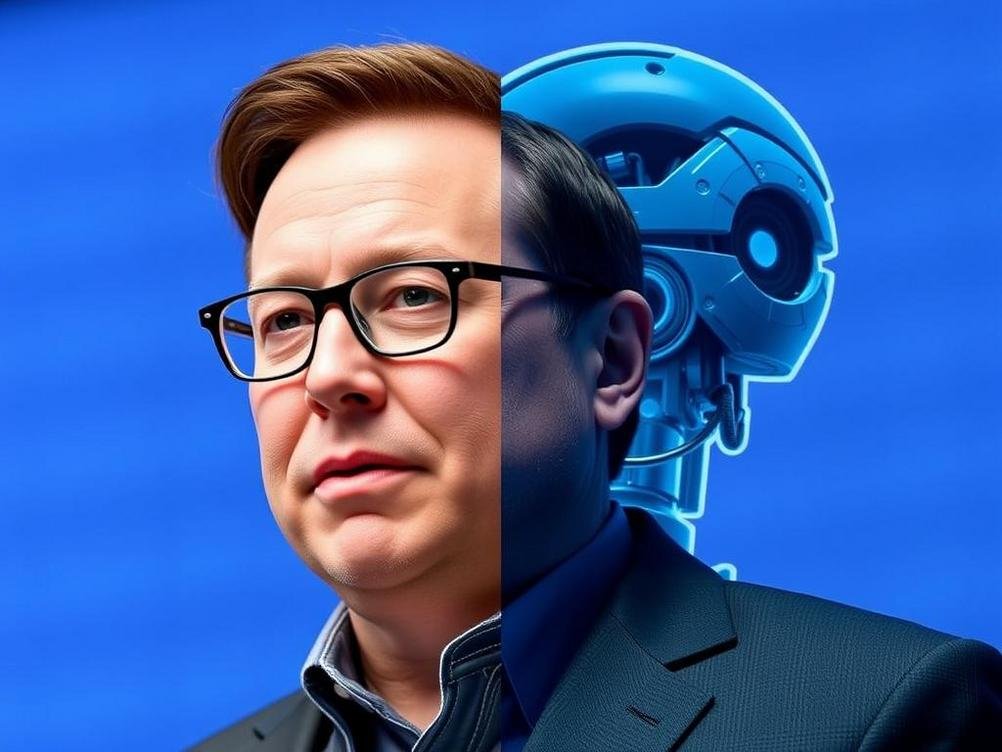
Why Elon Musk and Bill Gates Are Way Off on AI Taking All Our Jobs – What LinkedIn Really Thinks
Imagine this: You’re scrolling through your feed one lazy afternoon, and you stumble upon yet another headline screaming that AI is about to steal your job faster than a kid snatches candy from a jar. It’s Elon Musk and Bill Gates leading the charge, warning us about a future where robots rule the roost and humans are left twiddling their thumbs. But hold on a second—is that really the whole story? As someone who’s been knee-deep in tech trends for years, I’ve got to say, it’s not as straightforward as these billionaires make it sound. Take it from a LinkedIn exec who’s got the inside scoop: We’re not seeing the mass jobocalypse they’re predicting. Instead, AI seems to be more of a helpful sidekick than a job-stealing villain. Think about it—has your coffee maker ever replaced your barista? Probably not, but it sure makes mornings easier.
In this article, we’re diving into the real deal on AI and jobs, pulling apart the hype from the reality. We’ll look at what Musk and Gates are saying, why a LinkedIn leader is pushing back, and what that means for you and me in the everyday grind. I’ll throw in some real-world examples, a bit of data to back it up, and even a dash of humor because, let’s face it, talking about job security shouldn’t feel like a doom-and-gloom lecture. By the end, you might just rethink how AI fits into your career path. After all, if AI was so great at everything, why hasn’t it written this blog post for me? Oh, wait—it hasn’t. Stick around, and let’s unpack this mess together.
The Hype Machine: What Musk and Gates Are Preaching
Elon Musk and Bill Gates are no strangers to grabbing headlines, and their takes on AI replacing jobs are straight out of a sci-fi flick. Musk has been banging the drum for years, saying stuff like AI could lead to “universal basic income” because, well, machines might just take over everything from driving trucks to flipping burgers. Gates isn’t far behind; he’s talked about how AI could mean fewer people needed in factories or offices, potentially causing widespread unemployment if we don’t adapt. It’s all very dramatic, like they’re narrating the trailer for a blockbuster where humans fight back against the bots.
But here’s the thing—while their warnings might sound urgent, they’re based on a future that’s more speculative than solid. I mean, remember when we all thought self-driving cars would be everywhere by now? Yeah, still waiting on that. According to a 2023 McKinsey report, AI could automate up to 30% of work activities, but that doesn’t mean 30% of jobs vanish overnight. It’s more like AI is handing over the boring tasks so humans can focus on the creative stuff. Ever tried programming a robot to handle customer service with a smile? It’s trickier than it looks, and that’s where we humans shine.
- First off, Musk’s vision often leans on extremes, like his Tesla bots that are supposed to do household chores—hilarious if you’ve seen them glitch in demos.
- Gates points to examples from Microsoft’s own AI tools, but even he admits retraining workers could soften the blow.
- And let’s not forget, these guys have vested interests; Musk’s companies are pushing AI hard, so a little fear-mongering keeps the innovation flowing.
What LinkedIn’s Data Actually Shows About AI and Jobs
Now, let’s flip the script and hear from the folks at LinkedIn, who are basically the pros when it comes to job trends. According to them, AI isn’t the job-killer everyone’s making it out to be. A LinkedIn exec recently dropped a truth bomb, saying that from what they’re seeing on their platform, AI is creating more opportunities than it’s destroying. It’s like that friend who tells you the party’s not over—it’s just getting started. Their data from millions of users shows that roles in AI ethics, data analysis, and even AI-enhanced creative fields are booming.
For instance, LinkedIn’s 2024 Workforce Report highlighted that job postings mentioning AI skills have skyrocketed by over 200% in the past two years. That’s not displacement; that’s evolution. It’s reminding me of how the internet didn’t kill newspapers—it just turned them into online powerhouses. Sure, some routine jobs might shift, but overall, people are adapting and thriving. You know, it’s like when smartphones came along; they didn’t erase photographers, they just gave them better tools.
- LinkedIn’s insights show AI is mostly augmenting jobs, not axing them—think tools like ChatGPT helping writers brainstorm, not replace them.
- They’ve got stats backing this up; for example, a study on their site (check out LinkedIn’s AI Workforce Report) reveals that 60% of professionals see AI as a career booster.
- And humorously enough, if AI was taking all the jobs, why are there so many listings for AI trainers and ethicists right now?
The Real Impact: How AI Is Reshaping Careers, Not Ending Them
Okay, so let’s get real—AI is changing the game, but it’s more about mixing things up than wiping them out. Take my cousin, for example; he’s a graphic designer who was freaking out about AI tools like DALL-E stealing his thunder. But instead of job loss, he’s using it to crank out ideas faster, freeing him up for the stuff that needs a human touch, like understanding client vibes. It’s like AI is the apprentice, not the boss. From what I’ve read in various reports, including one from the World Economic Forum, AI could create 12 million more jobs than it displaces by 2025. That’s a net win, folks.
Of course, there are sectors where AI hits harder, like manufacturing or data entry, but even there, it’s creating demand for oversight and maintenance roles. Ever watched a factory robot in action? It needs humans to program it, fix it when it breaks, and make sure it doesn’t go rogue. So, while Musk and Gates paint a picture of obsolescence, the truth is more like a partnership. It’s akin to how email didn’t kill snail mail; it just made communication smarter.
- First, AI is opening doors in unexpected places, like healthcare where it’s helping doctors diagnose faster without replacing them.
- Second, it’s pushing workers to upskill—platforms like Coursera (which has AI courses) are seeing massive enrollments.
- Lastly, the economic boost from AI could lead to new industries, much like how the app economy exploded with smartphones.
Why the Fear? Debunking Common Myths Around AI and Employment
Let’s address the elephant in the room—why are we all so scared of AI snatching jobs? A big part of it is the media frenzy, fueled by folks like Musk who love to drop bombshell predictions. But if you dig deeper, a lot of these fears are overblown myths. For starters, AI isn’t sentient; it’s just really good at patterns, like a clever parrot repeating what it’s taught. I remember laughing at those early AI chatbots that couldn’t handle a simple sarcasm—proves they’re not ready to take over the world yet.
Another myth is that AI will only benefit the tech elite, leaving the rest in the dust. Not true! Companies are investing in reskilling programs because they know keeping talent means adapting together. Data from the OECD shows that countries with strong education systems are seeing AI drive growth, not decline. So, instead of panicking, maybe we should be asking: How can I leverage this tech to make my job cooler?
- One myth: AI will automate everything—reality check, it still needs human input for complex decisions.
- Another: Job losses are inevitable—but history shows tech revolutions create more jobs than they destroy, like the internet boom.
- And don’t forget, ethical AI development is a growing field, ensuring machines don’t run amok.
Looking Ahead: How to Future-Proof Your Career in the AI Era
Alright, enough doom-scrolling—let’s talk about what you can do to stay ahead. If AI is here to stay, why not make it your ally? Start by brushing up on AI basics; it’s not as intimidating as it sounds. I once thought coding was for geniuses, but with free resources like Khan Academy’s AI modules (available here), anyone can get started. The key is to blend your existing skills with AI know-how, turning you into a hybrid superstar.
For example, if you’re in marketing, tools like Google’s AI-powered ads can save you time on data analysis, letting you focus on crafting killer campaigns. And according to LinkedIn, professionals who add AI skills to their profiles see a 21% boost in job offers. It’s like giving your resume a superpower. So, don’t wait for the wave to hit—learn to surf it.
- Step one: Take an online course to understand AI fundamentals.
- Step two: Experiment with AI tools in your daily work to see how they enhance, not replace, your efforts.
- Step three: Network on platforms like LinkedIn to connect with AI adopters and share experiences.
Wrapping It Up: A Brighter Future with AI
Conclusion
In the end, while Elon Musk and Bill Gates have their reasons for sounding the alarm on AI and jobs, the evidence from LinkedIn and beyond suggests we’re not on the brink of a robot takeover. Instead, AI is shaping up to be a tool that empowers us, much like how the wheel didn’t put cart-makers out of business—it revolutionized transportation. We’ve got to stay optimistic, keep learning, and maybe poke fun at the hype every now and then.
As we move forward, remember that the human element—creativity, empathy, and that spark of innovation—is what sets us apart. So, whether you’re a student, a seasoned pro, or just curious, embrace AI as your co-pilot, not your competitor. Who knows, in a few years, we might all be laughing about how worried we were. Here’s to a future where tech works for us, not against us.