dailytech.ai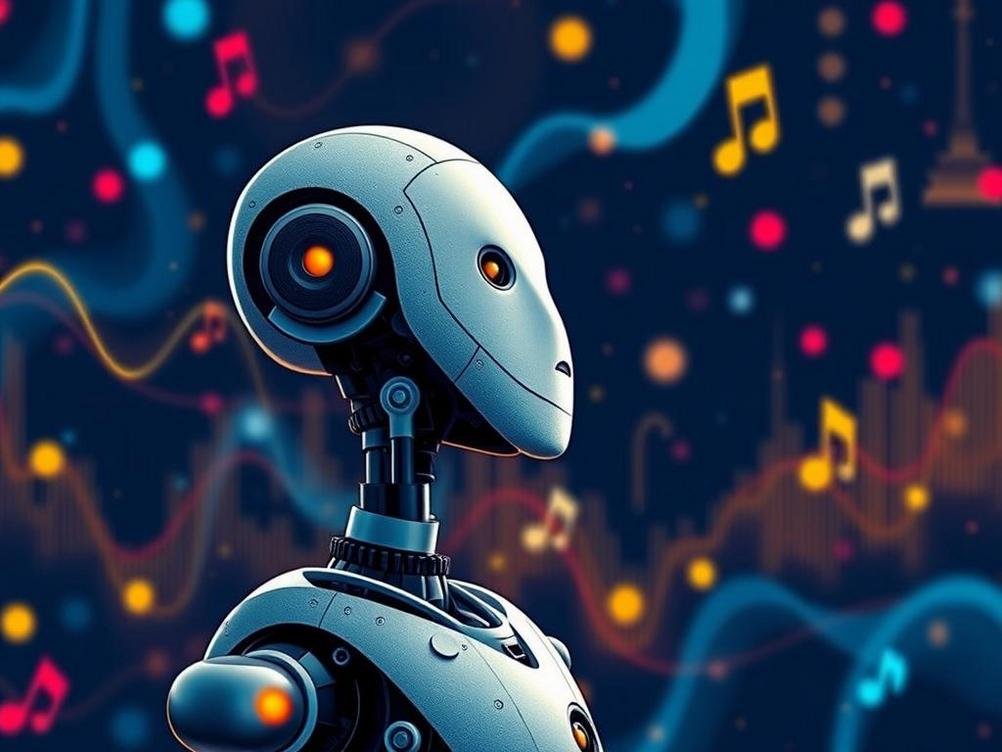
How AI Is Shaking Up Music Streaming: Big Labels Strike Gold with New Deals
Imagine this: You’re kicking back on a lazy Saturday, scrolling through your favorite music app, and suddenly it’s like the thing can read your mind. It plays that obscure indie track you’ve been humming for days, mixed in with some chart-toppers you didn’t even know you needed. Sounds futuristic, right? Well, that’s exactly what’s happening as major music labels like Universal and Sony cut deals with this new AI-driven streaming service. It’s not just about playing songs anymore; it’s about creating personalized vibes that make you feel like the app gets you. But let’s be real, this isn’t just a tech nerd’s dream—it’s a game-changer for the music industry, blending artificial intelligence with the raw emotion of tunes we love. Think about it: AI could mean the end of endless scrolling through playlists that never quite hit the spot, or it could stir up a storm of copyright chaos. Either way, these deals are sparking conversations about how music gets made, shared, and monetized in our digital world. I remember when streaming first hit the scene—it was all about convenience, but now with AI in the mix, it’s like we’re stepping into a sci-fi movie where algorithms are the new DJs. So, buckle up, because we’re diving into how these partnerships are reshaping the beats of our lives, and yeah, it might just make you rethink your next playlist session.
What’s All the Fuss About This AI Streaming Service?
You know how sometimes you stumble upon a song that feels tailor-made for your mood? That’s the magic this new AI streaming service is promising, and it’s got the big labels excited. Basically, we’re talking about platforms that use machine learning to analyze your listening habits, suggest tracks, and even remix content on the fly. It’s like having a personal radio station that evolves with you, but without the annoying ads—well, mostly. These deals mean labels are licensing their catalogs to AI companies, allowing for smarter recommendations and even AI-generated playlists that mix old hits with emerging artists. It’s a win-win, or at least that’s what they’re pitching.
Of course, not everyone’s thrilled. Some folks worry that AI might overshadow human curation, turning music discovery into a cold, calculated algorithm. But hey, if it means I don’t have to dig through a million subpar suggestions anymore, I’m all for it. Picture this: You’re at a party, and the AI app whips up a playlist that perfectly blends your friend’s love for 80s rock with your obsession with lo-fi beats. Sounds cool, doesn’t it? According to recent reports, services like this could boost user engagement by up to 30%, which is why labels are jumping in feet first.
- First off, it’s all about data—AI crunches listening patterns to predict what you’ll like next.
- Secondly, these deals help labels monetize their libraries in fresh ways, like through AI-enhanced experiences.
- And lastly, it opens doors for artists to reach niche audiences without the usual promo grind.
Why Are Music Labels Suddenly All In on AI?
Let’s face it, the music biz has been through the wringer with streaming wars and piracy woes, so why not team up with AI? These deals are like a lifeline, offering labels a chance to squeeze more revenue from their back catalogs while keeping up with tech-savvy listeners. Take Universal Music Group, for instance—they’ve inked agreements that let AI platforms use their vast library to create dynamic content. It’s not just about playing songs; it’s about generating new fan interactions, like AI-powered concerts or virtual collaborations. Imagine an AI remixing a classic Beatles track with modern electronic vibes—that’s the kind of innovation driving these partnerships.
But it’s not all sunshine and beats. Labels are hedging their bets because traditional streaming revenues have plateaued, with services like Spotify barely covering costs for many artists. AI promises to change that by personalizing experiences so much that users stick around longer, boosting ad revenue and subscriptions. I mean, who wouldn’t want an app that knows you better than your best friend? Still, there’s a humorous side—what if AI starts suggesting songs based on your grocery list? Okay, maybe that’s a stretch, but it highlights how these tech tie-ups could redefine loyalty in the industry.
To break it down, here’s what labels stand to gain:
- Expanded reach: AI can introduce lesser-known tracks to global audiences instantly.
- Better royalties: Smarter algorithms mean more streams, which equals more cash for artists and labels.
- Innovation edge: By partnering early, labels get a say in how AI shapes music creation and distribution.
The Tech That’s Making Music Smarter Than Ever
Under the hood, this AI streaming stuff is pretty wild—it’s like giving your earbuds a brain upgrade. These services use machine learning to analyze millions of data points, from your listening history to social media vibes, to curate playlists that feel eerily spot-on. For example, tools like Spotify’s AI features have already paved the way, but the new players are taking it up a notch with predictive algorithms that anticipate trends before they hit. It’s not magic; it’s math, but don’t tell that to the AI—it might get an ego.
One fun analogy: Think of AI as that friend who always knows the perfect song for your road trip, except it never judges your questionable taste in 90s boy bands. These deals let labels integrate their content into AI systems that can generate mashups or even suggest collaborations, like pairing a rapper with a classical composer. Statistics show that AI-driven recommendations account for over 50% of streams on major platforms, so it’s no wonder labels are onboard. But, as with any tech, there are kinks—like ensuring fair compensation for artists in this AI wild west.
- Step one: AI collects user data to build profiles.
- Step two: Algorithms match songs based on patterns and preferences.
- Step three: Voila—a customized listening experience that keeps you coming back.
The Good, the Bad, and the Tuneful: Perks and Pitfalls
On the bright side, these AI deals could be a boon for fans and artists alike. For listeners, it means discovering music without the hassle, like having a genie in your pocket granting musical wishes. Artists might see more exposure, with AI highlighting their work to the right crowds. But let’s not sugarcoat it—there are pitfalls, like AI potentially flooding the market with generic, algorithm-favored tracks, squeezing out originality. It’s like inviting a robot to your band practice; it might play perfectly, but where’s the soul?
From a fan’s perspective, the perks include endless, personalized playlists that make every commute feel like a concert. Yet, critics argue that over-reliance on AI could diminish the serendipity of music discovery. For instance, if an AI service promotes only what’s trending, we might miss out on underground gems. Humorously, what if AI decides your vibe is “perpetual elevator music”? Yikes. Real-world insights from similar tech, like Apple Music’s AI, show mixed results, with some users loving the suggestions and others feeling lost in the sauce.
- Pros: Faster music finds and potential for new revenue streams.
- Cons: Risk of cultural homogenization and ethical concerns over data use.
- Neutral: It’s a learning curve, but one that could lead to exciting evolutions.
Real-World Examples and What They Teach Us
Take a look at how this is playing out in the wild. Over the past year, deals like the one between Warner Music and an AI startup have led to features where users can generate their own remixes from licensed tracks. It’s like giving fans a creative playground, but with guardrails to protect artists’ rights. Another example? Sony’s partnership that uses AI to predict hit songs, helping labels scout talent more efficiently. These aren’t just hype; they’re reshaping how music gets to our ears, with early data suggesting a 20% uptick in user retention on AI-enhanced apps.
But let’s keep it real—these examples aren’t without hiccups. Remember when AI-generated music started popping up on platforms, leading to lawsuits over unauthorized samples? It’s a reminder that while tech can innovate, it needs human oversight to avoid messes. Metaphorically, it’s like teaching a kid to ride a bike; exciting at first, but you’ve got to watch for scraped knees. These case studies show us that collaboration between labels and AI can foster growth, but only if everyone plays fair.
In practice, this means:
- AI tools analyzing vast libraries to spot emerging trends.
- Partnerships ensuring artists get credited and paid for AI uses.
- Feedback loops where users help refine the algorithms for better results.
The Future of Music: AI’s Beat Goes On
Looking ahead, these deals are just the opening act for a bigger show. AI could evolve to create entirely new genres or even compose songs, blurring the lines between human and machine creativity. It’s thrilling, but also a bit unnerving—will we see AI headlining festivals one day? Probably not tomorrow, but who knows? The key is balancing innovation with protecting the essence of music, ensuring that AI enhances rather than replaces the magic of artistry.
As streaming services grow, we might see more integrations, like AI-powered virtual concerts or personalized live events. Statistics from industry reports predict that by 2027, AI could drive 40% of music consumption. That’s a big deal, and it’s why these label deals are so pivotal—they’re setting the stage for a harmonious future. With a dash of humor, let’s hope AI doesn’t start writing breakup anthems that are too on the nose!
Conclusion
Wrapping this up, the strikes between major music labels and this new AI streaming service are more than just business moves—they’re a glimpse into how technology can revitalize an industry we all love. From smarter playlists to potential pitfalls, it’s clear that AI is here to stay and shake things up. But as we embrace these changes, let’s remember to keep the human touch alive, whether it’s through supporting independent artists or just enjoying a spontaneous jam session. Who knows what the next chord will be? Here’s to a future where music and AI hit all the right notes together—stay tuned, because the beat goes on.