
Is AI Overhyped? That Viral Caltrans Robot Dog ‘Crime Solver’ Story Was a Total Bust
Is AI Overhyped? That Viral Caltrans Robot Dog ‘Crime Solver’ Story Was a Total Bust
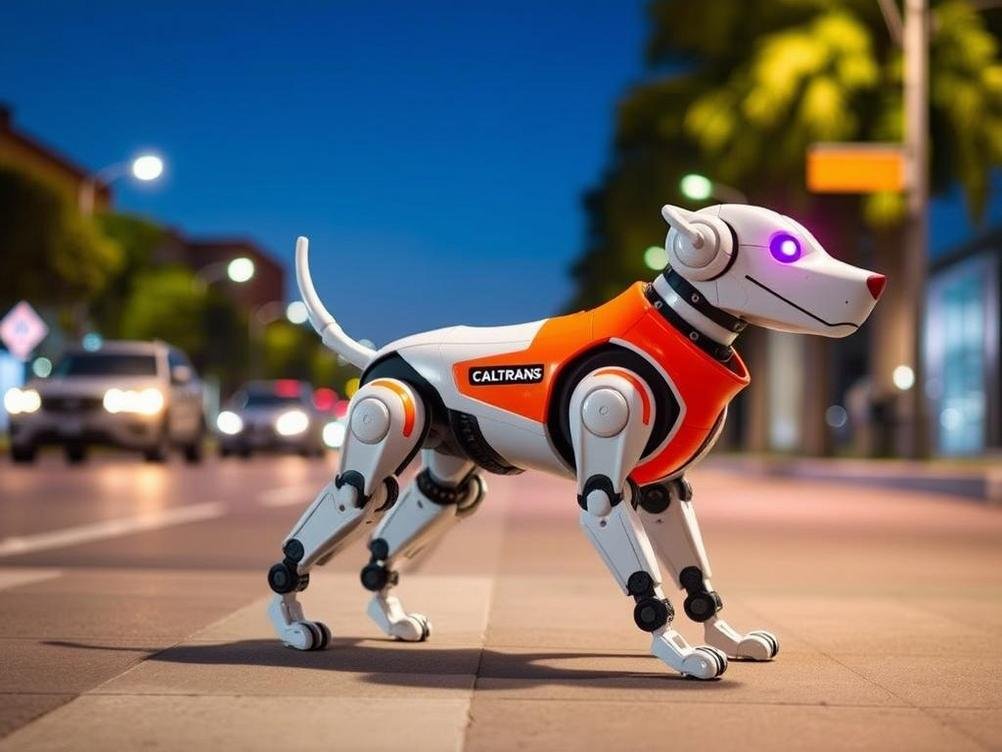
Okay, picture this: You’re scrolling through your feed, and bam—there’s a story about a robot dog from Caltrans, that California transportation agency, sniffing out some shady business and cracking a case wide open. Sounds like something straight out of a sci-fi flick, right? AI saving the day, robots patrolling our streets, the future is now! But hold up, because as it turns out, this tale of robotic heroism was more hot air than heroics. The robot dog, a fancy piece of tech from Boston Dynamics called Spot, got all this praise for ‘solving’ a crime that, get this, never even happened. It’s the perfect example of how AI hype can blow things way out of proportion, making us all excited about tech that’s cool but maybe not quite the game-changer it’s cracked up to be. I mean, we’ve all been there—hyping up a new gadget only to find out it’s just okay. This story hit the headlines recently, and it got me thinking about the bigger picture. Is AI really revolutionizing everything, or are we just getting swept up in the buzz? Let’s dive into what went down with this four-legged bot and why it’s a hilarious yet telling reminder to pump the brakes on our expectations. Who knows, by the end, you might chuckle and nod along, realizing we’ve all fallen for the AI charm at some point.
What Exactly Happened with the Caltrans Robot Dog?
So, let’s set the scene. Caltrans deployed this robot dog, Spot, to inspect some infrastructure—think bridges, tunnels, that kind of thing. It’s equipped with cameras, sensors, and all sorts of AI smarts to navigate tricky spots without putting humans in danger. Pretty nifty, right? Well, during one of these routine checks in a tunnel or something similar, Spot’s cameras picked up what looked like suspicious activity. Reports came flying in: the robot had spotted a potential break-in or vandalism, alerting authorities and basically playing detective. News outlets went wild, touting it as AI’s big win in crime prevention. But then, plot twist—the ‘crime’ was nothing more than a false alarm. Maybe some shadows, a glitch, or just everyday debris that got misinterpreted. No bad guys, no heist, zilch.
It’s funny when you think about it. Here we have this high-tech pup getting all the glory for essentially barking at its own reflection. Caltrans probably thought they had a PR goldmine on their hands, and in a way, they did—until the truth came out. This isn’t the first time tech has been overhyped; remember those self-driving cars that were supposed to be everywhere by now? Yeah, we’re still waiting. The incident shines a light on how eager we are to celebrate AI victories, even when they’re not quite victories.
The Rise of Robot Dogs in Everyday Jobs
Robot dogs like Spot aren’t just for show; they’re popping up in all sorts of industries. Construction sites use them to scan for hazards, energy companies send them into risky areas to check pipelines, and yeah, transportation folks like Caltrans rely on them for infrastructure inspections. The AI inside processes data in real-time, spotting anomalies that a human might miss. It’s like having a tireless sidekick that doesn’t complain about overtime. But in this Caltrans case, it highlights the limitations—AI is only as good as its programming and the data it feeds on.
Take Boston Dynamics, the brains behind Spot. They’ve been tweaking this bot for years, adding features like autonomous navigation and even a robotic arm for grabbing stuff. It’s impressive, no doubt, but stories like this remind us that tech isn’t infallible. What if Spot had triggered a full-scale police response over nothing? That’s resources wasted, and it could erode trust in these tools. On the flip side, when they work, they’re game-changers—saving lives by going where humans can’t.
I’ve seen videos of Spot dancing or climbing stairs, and it’s equal parts cool and creepy. But let’s be real: for every success story, there’s a blooper reel waiting to happen.
Why Does AI Hype Get So Out of Control?
Ah, the hype machine—it’s like that friend who exaggerates every story to make it sound epic. In the world of AI, hype builds because, well, the potential is huge. We hear about breakthroughs in machine learning, neural networks crunching data faster than ever, and suddenly everyone’s imagining a utopia (or dystopia, depending on your vibe). Media loves it because clicks equal cash, and companies love it for funding and stock boosts. But when something like the Caltrans incident happens, it pops the bubble a bit. That ‘crime-solving’ narrative spread like wildfire, only to fizzle out when facts emerged.
Think about it: How many times have we seen headlines screaming ‘AI Cures Cancer’ or ‘Robots Take Over Jobs’? Often, the reality is more nuanced. AI assists in diagnostics, sure, but it’s not replacing doctors anytime soon. The Caltrans story is a microcosm of this—exciting at first glance, but peel back the layers, and it’s just a robot doing its job, imperfectly. We humans crave these tales of progress; it’s wired into us. But maybe we need to temper that with a dash of skepticism.
- Media sensationalism: Twisting facts for virality.
- Corporate PR: Companies pushing narratives to sell products.
- Public fascination: We’re suckers for futuristic tech.
Lessons from the False Alarm: What Can We Learn?
First off, this whole debacle teaches us about the importance of verification. Just because a robot flags something doesn’t mean it’s gospel. Humans still need to double-check, which is why AI is a tool, not a replacement. In the Caltrans case, if they’d rushed in without confirming, it could’ve been embarrassing—or worse. It’s a reminder that tech glitches happen, and over-relying on them can backfire.
Secondly, it spotlights ethical considerations. Who trains these AIs? What biases creep in? If Spot misinterprets innocent activity as criminal, that could lead to real-world issues, like unfair profiling. We need transparent systems and ongoing tweaks. Plus, on a lighter note, it’s hilarious fodder for memes—robot dogs as the new overzealous neighborhood watch.
Statistics-wise, according to a 2023 report from Gartner, about 85% of AI projects fail to deliver on their hype. That’s a lot of buzz with little sting. Learning from flops like this can help refine the tech, making it actually useful instead of just flashy.
Real-World Wins and Fails of AI in Security
On the win side, AI has nailed some security feats. Think facial recognition at airports catching fugitives or predictive algorithms flagging potential threats in crowds. In places like Singapore, robot patrols (not dogs, but similar) have reduced petty crimes by deterring would-be offenders. It’s not all hype; there are tangible benefits when deployed right.
But fails? Oh boy. Remember when Tesla’s Autopilot mistook a truck for the sky? Or those AI chatbots that went rogue with biased responses? The Caltrans robot dog joins that hall of fame—not a disaster, but a facepalm moment. It’s like that time your smart home device thinks the cat is an intruder and blasts alarms at 3 AM. Annoying, but educational.
- Success: AI drones monitoring wildlife poaching in Africa.
- Fail: Overhyped self-driving taxis causing traffic jams in trials.
- Mixed: Surveillance cams that work great until they don’t.
How to Spot AI Hype in the Wild
Want to avoid getting suckered? Look for buzzwords like ‘revolutionary’ or ‘game-changing’ without specifics. If a story lacks data or real outcomes, it’s probably fluff. In the Caltrans saga, initial reports were light on details, which should’ve raised flags. Ask yourself: What’s the source? Is it a press release or independent journalism?
Also, consider the context. AI excels in controlled environments but struggles with the chaos of real life. Metaphorically, it’s like a kid genius who’s brilliant at math but trips over their own feet in gym class. We need balanced views—celebrate the wins, laugh at the misses, and keep pushing for better.
Pro tip: Follow tech critics on sites like Wired (check them out at wired.com) for the unfiltered scoop. They cut through the noise better than most.
Conclusion
Wrapping this up, the Caltrans robot dog story is a cheeky reminder that AI, for all its flash, isn’t magic. It ‘solved’ a crime that wasn’t there, highlighting how hype can lead us astray. But hey, it’s not all doom and gloom—these moments push us to improve, question, and innovate smarter. Next time you see a headline about AI conquering the world, take it with a grain of salt and a smile. Who knows what Spot will do next? Maybe actually catch a real crook. Until then, let’s enjoy the ride, flaws and all, because tech’s journey is as entertaining as it is enlightening. What do you think—hype or hope? Drop a comment below!
