dailytech.ai
Is AI Ready to Steal Your Seasonal Gig? The Real Scoop
Picture this: It’s the height of summer, and you’re out there sweating it out in a field of strawberries, or maybe hustling through the holiday rush at a big-box store, dealing with crowds and caffeine crashes. Now, imagine robots swooping in to handle all that grunt work faster than you can say “automation overload.” Sounds like a plot from a sci-fi flick, right? But here’s the thing: we’re not just talking wild theories anymore. With AI advancing at warp speed, folks are wondering if these smart machines could wave goodbye to seasonal workers—the temps, the part-timers, the folks who show up when the seasons demand an extra hand. Think about it: from picking crops to sorting packages during Black Friday madness, AI’s getting pretty good at mimicking human tasks. But is it really ready to take over? In this chatty dive, we’ll unpack whether AI could actually replace those seasonal gigs, what that means for jobs, and why humans might still have the upper hand. Spoiler: It’s not all doom and gloom—there’s room for both bots and us meatbags to coexist. Stick around, because we’re about to mix some tech talk with real-life vibes, sprinkled with a bit of humor to keep things light.
What Even Are Seasonal Workers, and Why Do We Rely on Them?
Okay, let’s start with the basics—who are these seasonal workers everyone’s buzzing about? They’re the everyday heroes who pop up when the calendar flips to busy times, like harvest season in agriculture or the Christmas rush in retail. We’re talking farmhands, retail clerks, event staff, and even those warehouse warriors sorting gifts for Santa. Without them, things would grind to a halt; imagine trying to get your pumpkin spice latte without the baristas cranking it out. But here’s the funny part: these jobs have always been a bit like that friend who only texts when they need something—temporary, flexible, and often underappreciated.
The reason we lean on seasonal workers? It’s all about efficiency and cost. Businesses crank up hiring when demand spikes, then scale back when things calm down. It’s like throwing a party: you don’t keep the DJ on payroll year-round, right? According to the U.S. Bureau of Labor Statistics, seasonal employment hits peaks during holidays, employing millions temporarily. That flexibility keeps economies humming, but it also means these workers often face job insecurity. Now, enter AI, which promises to do the heavy lifting without coffee breaks or complaints. Could machines make this whole system smoother? We’ll get into that, but first, let’s not forget the human touch that makes these roles irreplaceable sometimes.
How AI is Sneaking into Seasonal Jobs
AI isn’t just some buzzword from Silicon Valley anymore; it’s showing up in the most unexpected places, like your local farm or Amazon warehouse. Think about autonomous drones scanning crops or robots packing boxes during peak shopping seasons. Companies like John Deere are already using AI-powered machines to harvest fruits and veggies, cutting down on the need for manual labor. It’s like giving your old tractor a brain upgrade—it works smarter, not harder. For seasonal gigs, this means AI can handle repetitive tasks that humans dread, such as sorting, picking, or even customer service chats via chatbots.
But let’s add a dash of humor: Imagine a robot trying to deal with a cranky customer returning a fruitcake on December 26th. Would it crack a joke to diffuse the tension? Probably not, but that’s where AI shines in precision and speed. A report from McKinsey suggests that up to 30% of activities in manufacturing and agriculture could be automated by 2030, which includes a chunk of seasonal work. Still, it’s not all seamless—AI needs data to learn, and glitches can happen, like a drone mistaking a ripe tomato for a rock. The point is, AI’s creeping in, but it’s more of a sidekick than a full replacement… for now.
- AI in agriculture: Drones and harvesters that work 24/7 without breaks.
- Retail automation: Chatbots handling queries and robots stocking shelves.
- Logistics: Self-driving vehicles delivering goods during holiday surges.
The Upsides: Why AI Might Be a Game-Changer for Businesses
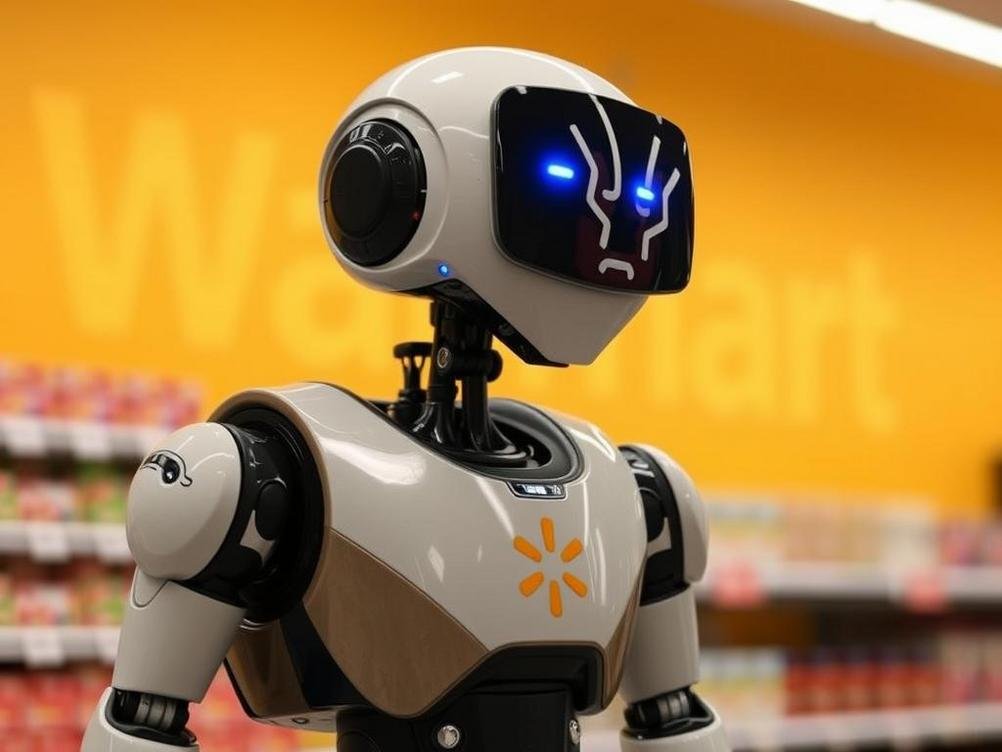
Let’s flip the script and talk about the bright side. For businesses drowning in seasonal demands, AI could be like that reliable cousin who shows up early and stays late. It cuts costs big time—no more worrying about overtime pay or training a fresh batch of workers each season. Plus, AI doesn’t call in sick or need bathroom breaks, which means operations run smoother. Take, for example, how Walmart uses AI to predict inventory needs during Black Friday, slashing waste and boosting efficiency. It’s like having a crystal ball that actually works.
On a bigger scale, AI could tackle labor shortages, especially in places where finding seasonal help is tougher than herding cats. In regions hit by pandemics or migration issues, machines fill the gaps without skipping a beat. And hey, it’s not all bad for workers—freed from mundane tasks, humans could move into more creative roles, like overseeing AI or innovating new processes. Statistics from the World Economic Forum show that while automation might displace some jobs, it could create 12 million more by 2025 in tech-adjacent fields. So, yeah, AI’s got perks, but it’s like adding hot sauce to your meal—it spices things up, but too much can burn.
The Downsides: What Happens When AI Takes the Wheel?
Now, don’t get me wrong—AI isn’t all rainbows and unicorns. If it starts replacing seasonal workers en masse, we’re looking at a world where job markets get shaken up like a snow globe. Many seasonal gigs are entry-level, offering first-timers a foot in the door. Without them, folks might struggle to gain experience, leading to higher unemployment in certain sectors. It’s like pulling the rug out from under someone’s feet just as they’re learning to dance.
Then there’s the ethical stuff: AI can be biased if not programmed right, potentially overlooking diverse workforces. For instance, if an AI algorithm favors certain data patterns, it might sideline workers from underrepresented groups. Organizations like the International Labour Organization have raised alarms about this, pointing out that automation could widen inequality. And let’s not forget the humor in it—can you picture a robot negotiating a raise? Probably not, but humans need that leverage. Overall, while AI promises efficiency, it risks creating a divide between the haves and have-nots in the job world.
- Lost opportunities for skill-building in entry-level roles.
- Potential for job displacement in vulnerable communities.
- Ethical concerns around AI fairness and transparency.
Real-World Examples: AI in Action (And Where It Flops)
Let’s ground this in reality with some stories from the field. Over in California, companies like Blue River Technology (now part of John Deere) use AI to precisely weed and harvest crops, reducing the need for manual farmworkers during peak seasons. It’s impressive—think of it as a high-tech scarecrow that actually does the job. Similarly, in e-commerce, Amazon’s robots whiz around warehouses, handling the holiday package frenzy, which has cut processing times dramatically. Amazon’s tech shows how AI can scale operations without hiring thousands extra.
But here’s where it gets funny: These systems aren’t perfect. There have been mishaps, like AI misidentifying produce or breaking down during extreme weather, leaving humans to pick up the pieces—literally. In entertainment, seasonal gigs at events might see AI handling ticket scans, but who wants a robot managing crowd energy at a concert? Examples like these prove AI’s great for the backend, but it often falls short on the human elements, like empathy or adaptability.
The Human Touch: Jobs AI Probably Can’t Touch
Alright, let’s breathe easy—AI might be clever, but it hasn’t figured out everything yet. Seasonal jobs often require a spark of humanity that machines just can’t fake, like dealing with unpredictable customers or making on-the-spot decisions. For example, a farmworker might notice a crop issue that an AI sensor misses, or a retail worker could upsell with a charming story. It’s like comparing a painting to a photo; one has soul, the other is just pixels.
To keep things balanced, governments and companies are pushing for reskilling programs. In the EU, initiatives like the European Skills Agenda aim to train workers for AI-integrated roles. With a bit of humor, I’d say humans are like the secret ingredient in a recipe—AI can follow the steps, but it needs us to add the flavor. So, while AI might handle the routine, jobs needing creativity, problem-solving, or emotional intelligence? Those are safe for now.
Future Outlook: What’s on the Horizon for Seasonal Work?
Looking ahead to 2025 and beyond, AI’s role in seasonal jobs is only going to grow, but it’s not the apocalypse for workers. We might see a hybrid model where AI and humans team up, like in logistics where robots do the lifting and people manage the strategy. Experts predict that by 2030, AI could transform 40% of work activities, but with proper policies, it could lead to better, more sustainable jobs.
The key is adaptation—staying curious and learning new skills will be our superpower. Think of it as evolving with the times; dinosaurs didn’t adapt, and look what happened. With advancements in AI ethics and regulations, we can steer this ship away from disaster. It’s exciting, really, like being in a blockbuster movie where technology is the plot twist, but humans write the ending.
Conclusion
Wrapping this up, could AI replace seasonal workers? It’s possible in some areas, but it’s not a total takeover—yet. We’ve seen how AI brings efficiency and innovation, but it also highlights the irreplaceable value of human ingenuity and connection. As we move forward, the real win will be finding that sweet spot where tech enhances our lives without erasing opportunities. So, if you’re a seasonal worker, don’t panic; sharpen your skills, embrace the change, and remember, in the dance between humans and machines, we’re still leading. Let’s keep the conversation going—after all, the future’s what we make of it.