dailytech.ai
How AI is Turning College Life on Its Head for Students and Professors
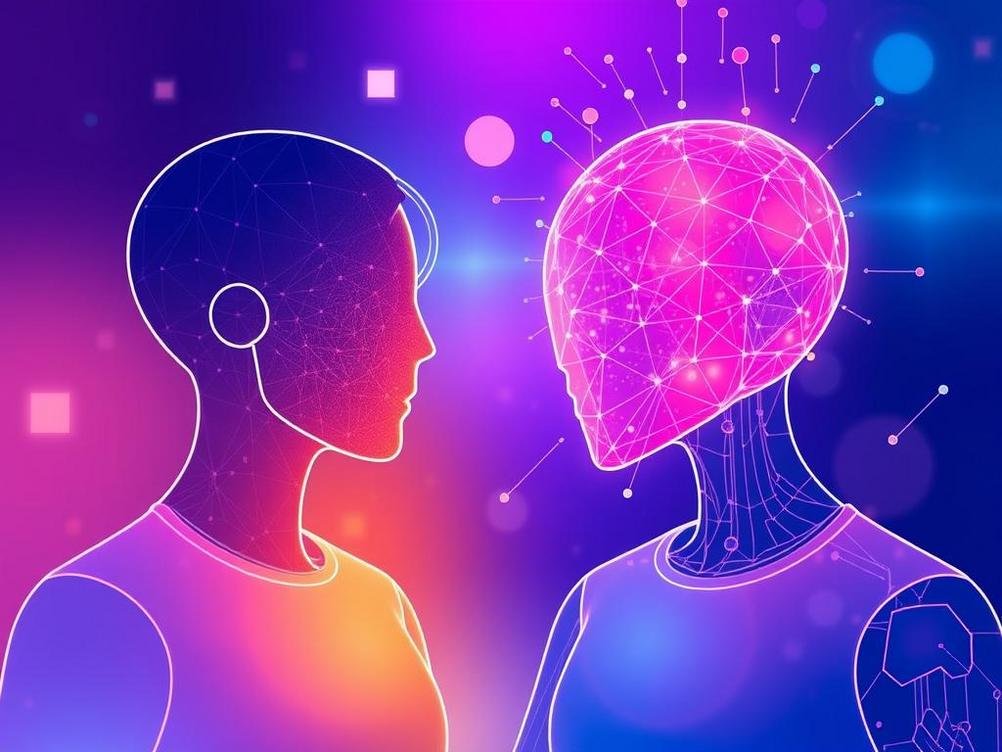
Imagine walking into a college lecture hall where your professor isn’t just scribbling on a chalkboard but is teaming up with a super-smart AI that knows more about quantum physics than Einstein on a good day. Sounds like sci-fi, right? Well, it’s 2025, and artificial intelligence is crashing the party in higher education, flipping everything upside down for both students and professors. I remember my own college days – late-night cram sessions with coffee-stained notes and endless Wikipedia dives. Now, with AI tools like ChatGPT or Google’s AI assistants, students are getting homework help that’s faster than a caffeine rush, and professors are rethinking how they teach. But is this a total game-changer or just another tech fad that might leave us with more questions than answers?
In this article, we’ll dive into how AI is reshaping college life, from making learning easier (and sometimes lazier) to challenging the old-school ways we’ve all come to know. We’re talking personalized study plans, virtual labs that never crash, and even AI grading that might actually be fairer than your toughest prof. It’s exciting, a bit scary, and let’s face it, sometimes hilariously off-base. By the end, you’ll see why AI isn’t just a tool – it’s like that overachieving classmate who’s always one step ahead. Whether you’re a student juggling classes or a professor trying to keep up, stick around because this could change how you approach education forever. Oh, and if you’re curious about specific AI tools, check out ChatGPT for a taste of what’s possible – it’s free and surprisingly fun to mess around with.
The Rise of AI in Classrooms – It’s Everywhere!
You know how smartphones took over our lives in the 2010s? AI is doing the same thing to education right now. It started with simple apps that helped with math problems, but fast forward to 2025, and AI is embedded in everything from online quizzes to full-blown virtual reality simulations. I mean, who needs a dusty old textbook when an AI can spit out customized lessons based on your learning style? It’s like having a personal tutor who never gets tired or judges you for asking the same question twice.
Take, for example, platforms like Coursera or edX, which now integrate AI to recommend courses. They analyze your past grades and interests, suggesting stuff you’d actually enjoy – no more random electives that feel like a waste of time. And for professors, AI is a game-changer too. Tools like grading software can scan essays in seconds, freeing up time for actual teaching. But let’s not kid ourselves; it’s not all smooth sailing. There are glitches, like when an AI misinterprets a student’s slang and gives them a bad grade for being ‘too casual.’ Hilarious, right? Still, the growth is insane – according to a 2024 report from the World Economic Forum, AI in education is expected to reach a market value of over $20 billion by 2027. That’s a lot of smart machines reshaping how we learn.
- First off, AI personalizes education, adapting to individual needs like a chameleon.
- It also automates admin tasks, so professors aren’t buried under paperwork.
- And don’t forget the fun side – interactive AI chats that make studying feel less like a chore and more like chatting with a buddy.
Benefits for Students – Making Learning a Breeze (Mostly)
Let’s talk about the students first because, hey, who doesn’t love a shortcut? AI is like that friend who whispers answers during a tough exam, but in a legit way. For instance, apps like Duolingo use AI to gamify language learning, turning what used to be boring drills into addictive challenges. You’re not just memorizing vocabulary; you’re leveling up like in a video game. And for those all-nighters, AI-powered study tools can summarize articles or even generate flashcards tailored to your weak spots. It’s a lifesaver, especially if you’re balancing classes with a part-time job or, you know, a social life.
But there’s more. AI helps with accessibility too. Students with disabilities, like those with visual impairments, can use AI voice assistants to read texts aloud or translate lectures in real-time. It’s empowering, really. A study from Stanford in 2023 showed that students using AI for personalized learning improved their grades by an average of 15%. That’s no small potatoes! Of course, it’s not perfect – sometimes AI suggestions can be way off, like recommending a physics course when you’re clearly into art. But overall, it’s making college feel less overwhelming and more doable.
- AI offers instant feedback, so you know where you stand without waiting for the professor’s red pen.
- It encourages exploration, suggesting resources you might not have found on your own.
- And for remote learners, AI bridges the gap, making online classes feel interactive and engaging.
How Professors Are Adapting – The Curveball They Didn’t See Coming
Professors have been doing their thing for centuries – lecturing, grading, and occasionally dealing with students who ‘forgot’ the assignment. But AI? That’s a whole new ballgame. Now, they’re using tools like Turnitin’s AI detectors to catch plagiarism faster than you can say ‘copy-paste.’ It’s forcing them to evolve, blending traditional teaching with tech wizardry. I’ve heard stories from friends in academia about how AI helps create dynamic lesson plans, pulling in real-time data to make classes more relevant. Like, discussing current events with AI-generated stats that update on the fly.
Still, it’s not all sunshine. Some professors worry about job security – will AI replace them entirely? Probably not, but it might take over the boring parts, like grading multiple-choice tests. A 2025 survey from Educause found that 60% of faculty are incorporating AI into their courses, but many feel overwhelmed learning the ropes. It’s like teaching an old dog new tricks, but with a sense of humor – imagine a professor accidentally AI-generating a lecture that includes cat memes. Priceless! In the end, it’s about adapting creatively to stay ahead.
The Challenges and Funny Mishaps – When AI Goes Sideways
Okay, let’s get real – AI isn’t perfect, and college is already chaotic enough without tech throwing curveballs. Picture this: a student relies on an AI for essay help, only for it to suggest sources that are totally made up. Yeah, that’s happened, and it’s led to some epic fails. Or how about AI chatbots giving professors feedback that’s just plain weird, like rating a lecture based on ‘vibe’ instead of content? It’s hilarious, but it highlights the risks, like misinformation or over-dependence.
Ethically, there’s the big question: Does AI make cheating easier? Absolutely, but it also pushes us to rethink assessments. A report from the Brookings Institution in 2024 noted that 40% of students admitted to using AI unethically. The funny side? There are viral stories of AI mishaps, like a virtual lab simulation that ‘exploded’ virtually, causing a class to erupt in laughter. It’s a reminder that while AI reshapes education, we need to laugh at the glitches and learn from them.
- First, bias in AI algorithms can skew learning materials, favoring certain perspectives.
- Second, privacy issues arise when AI tracks student data – who wants Big Tech knowing your study habits?
- Lastly, the overreliance factor, where students forget how to think for themselves – that’s a real buzzkill.
Real-World Examples and Stats – Proof That AI is For Real
If you’re still skeptical, let’s look at some concrete examples. Universities like MIT are using AI in their curricula, with tools that simulate experiments in chemistry without the risk of actual explosions. Students get hands-on experience virtually, which is a game-changer for safety and cost. Then there’s AI in admissions – algorithms that predict student success based on applications, making the process fairer. I read about a program at Harvard where AI helped increase graduation rates by 10% by identifying at-risk students early.
Stats don’t lie: According to Gartner, by 2025, AI will influence 50% of all educational content worldwide. Think about that – half of what you learn might come from a machine! For professors, AI analytics tools like those from Blackboard help track engagement, so they can tweak their teaching on the spot. It’s like having a crystal ball, but with a quirky sense of humor when it suggests ‘more jokes in lectures’ as a fix.
- AI in research, speeding up data analysis for professors working on groundbreaking studies.
- Examples like Khan Academy’s AI tutors, which have helped millions personalize their learning.
- And don’t overlook the creative side – AI generating art projects that inspire students to think outside the box.
Future Predictions – What’s Next in This AI Adventure?
Fast-forward a few years, and AI could make college even more integrated with everyday life. We might see AI-powered campuses where your smartwatch reminds you of assignments or virtual reality classrooms that let you ‘travel’ to historical sites. For students, this means more flexible learning, like earning degrees on your own schedule. Professors might become more like guides, curating AI-driven experiences rather than delivering straight lectures. It’s exciting, but I wonder – will we lose the human touch?
Experts predict that by 2030, AI will handle 70% of routine educational tasks, according to a UNESCO report. That leaves room for creativity and critical thinking, which humans do best. Of course, there’s the fun speculation: AI professors who crack jokes better than your favorite comedian? Sign me up! But let’s keep it grounded – the key is balancing tech with real interactions to keep education meaningful.
Conclusion – Embracing the AI Wave with a Smile
As we wrap this up, it’s clear that AI is reshaping college in ways we couldn’t have imagined a decade ago. From streamlining studies for students to giving professors superpowers, it’s a mixed bag of innovation and hilarity. We’ve seen the benefits, the bumps, and the bizarre moments, but the takeaway is simple: AI is here to stay, and it’s up to us to use it wisely. Whether you’re a student acing exams with AI’s help or a professor reinventing your syllabus, remember to keep that human spark alive.
In the end, education is about growth, curiosity, and maybe a few laughs along the way. So, dive into AI with an open mind – who knows, it might just make your college experience epic. If you’re inspired, check out resources like edX to see AI in action. Here’s to the future of learning – may it be smart, fun, and a little bit unpredictable!