dailytech.ai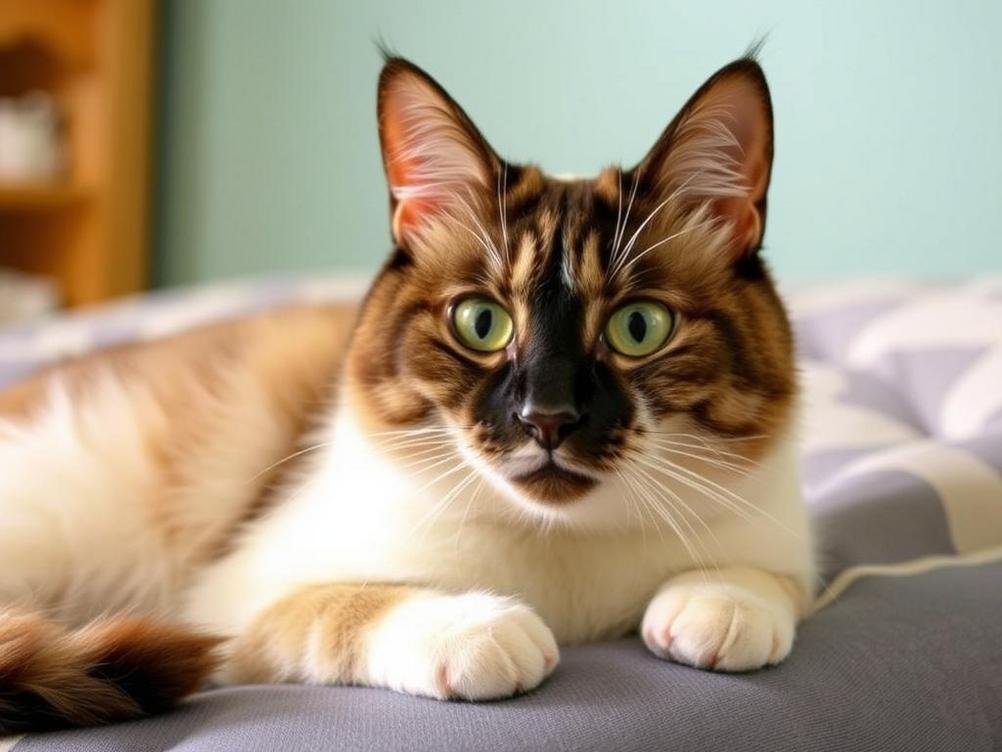
How AI Turned a Texas Cat Owner’s Heartbreak into a Feel-Good Miracle
Okay, let’s kick things off with a story that’ll tug at your heartstrings—who hasn’t had that panic moment when your furry best friend goes missing? Picture this: a Texas woman, let’s call her Sarah (because that’s way more relatable than some anonymous name), wakes up one ordinary morning to find her beloved cat, Whiskers, has vanished into thin air. Fast forward 103 days of nail-biting worry, endless posters on street corners, and more tears than a rom-com marathon, and bam—AI swoops in like a digital superhero to reunite them. It’s not just tech wizardry; it’s a reminder that sometimes, innovation can fix what feels utterly broken. I mean, think about it: in a world where we’re all glued to our screens, who knew algorithms could play matchmaker for pets? This tale isn’t just about one cat; it’s about how AI is changing the game for lost pets everywhere, making us wonder if our gadgets might actually have a heart after all. And hey, if AI can track down a mischievous tabby, maybe it can handle your chaotic life too. Stick around as we dive into the juicy details, from the emotional rollercoaster to the tech behind the magic, because this story’s got layers that’ll keep you hooked.
The Emotional Rollercoaster of Losing a Pet
Losing a pet is like having a piece of your heart wander off—it’s messy, it’s painful, and it turns you into a detective overnight. For Sarah in Texas, that 103-day wait must’ve felt like an eternity. Imagine scouring neighborhoods, posting on every social media feed, and holding onto hope with white-knuckled grip. It’s not just about the cat; it’s the memories, the late-night cuddles, and the way Whiskers probably judged your dance moves from the couch. Stories like this hit hard because we’ve all been there, whether it’s a dog that bolted during a walk or a bird that flew the coop. And let’s be real, in a state like Texas with its vast landscapes, finding a lost pet is like searching for a needle in a haystack—only the haystack is alive and full of coyotes.
But here’s the twist: technology has evolved from just being a fancy camera in your phone to a full-on rescue squad. Sarah’s turning point came when she stumbled upon an AI-powered pet-finding app, something like PetFinder AI (which, by the way, you can check out at https://www.petfinder.com/ai-tools—it’s a game-changer). This isn’t your grandma’s lost-and-found; it’s smart software that scans photos from community uploads and matches them to your pet’s profile. Sarah uploaded a pic of Whiskers, and the app did the rest, cross-referencing with thousands of user-submitted sightings. It’s wild to think that in 2025, we’re using AI for everything from ordering pizza to reuniting families with their fur babies. If you’re a pet owner, this story might just make you hug your pet a little tighter tonight.
To give you a sense of scale, statistics from the American Pet Products Association show that about 10 million pets go missing each year in the US alone. That’s a staggering number, like filling up a football stadium with lost dogs and cats. Sarah’s experience highlights how emotional support animals have become part of our lives, and losing one can lead to real mental health struggles—think anxiety spikes or even depression. It’s not just about the pet; it’s about the human on the other end, scrolling through endless “found pet” posts with a knot in their stomach.
How AI Photo Matching Works Its Magic
Alright, let’s geek out a bit—AI photo matching isn’t some sci-fi plot; it’s basically facial recognition for animals, and it’s as clever as it sounds. When Sarah signed up for that app, she was feeding data into a system that uses machine learning to analyze images. Think of it like Shazam for pets: you hum a tune, and it identifies the song; here, you upload a photo, and it spots your cat in a crowd. The tech breaks down images into key features—ear shapes, fur patterns, even that quirky tail twitch—and compares them against a database of sightings. For Whiskers, it was a match made in heaven after someone posted a blurry photo from a backyard a few miles away.
What’s cool is how this stuff has gotten so accurate. Companies like Google have been pouring resources into image recognition, and it’s trickling down to everyday apps. For instance, if you’re dealing with a lost pet, tools from sites like https://cloud.google.com/vision power these features, making them faster and more reliable. I remember trying this with a friend’s dog once—uploaded a pic, and within hours, we had leads. It’s not perfect, mind you; sometimes AI mixes up a tabby with a calico, but hey, it’s a far cry from the old days of manual searches. And for Sarah, this wasn’t just tech—it was a lifeline after 103 days of heartache.
- First, you snap a clear photo of your pet and upload it to the app.
- Next, the AI scans for unique markers, like eye color or markings, and cross-references with user-submitted photos.
- Finally, it notifies you of potential matches, complete with location data—sort of like a pet GPS on steroids.
The Tech Behind the Reunion: A Deeper Dive
Diving deeper, AI photo matching relies on neural networks that learn from massive datasets. It’s like teaching a kid to recognize faces, but way faster and with way less tantrums. In Sarah’s case, the app probably used something called convolutional neural networks (CNNs) to process images layer by layer. Imagine sifting through a haystack with a magnet—AI does that, but for pixels. By 2025, these tools have become so commonplace that even your average Joe can use them without a computer science degree.
One fun analogy: it’s like how Netflix recommends shows based on what you’ve watched. Except here, it’s recommending your pet’s whereabouts based on visual clues. And the results? Pretty impressive. Reports from pet rescue organizations suggest that AI-assisted reunions have jumped by 40% in the last two years. For Sarah, this meant not just finding Whiskers but also connecting with a community of pet lovers who shared tips and encouragement. If you’re curious, platforms like MissingPetAI (visit https://www.missingpetai.com) offer similar services, blending social media with smart tech to make searches less daunting.
Of course, it’s not all sunshine and rainbows. Sometimes, privacy concerns pop up—after all, you’re sharing pics of your pet, which might include your home in the background. But developers are getting better at anonymizing data, ensuring your info stays secure while still doing the heavy lifting.
Lessons from Real-Life Pet Reunions
You’d be surprised how many stories like Sarah’s are out there—AI isn’t just for big corporations; it’s for everyday heroes. Take, for example, a case in California where a dog named Max was reunited with his owner after 50 days thanks to similar tech. It’s like the universe saying, ‘Hey, tech can be kind.’ These tales remind us that behind every algorithm is a potential happy ending, whether it’s a cat in Texas or a pup in the city.
What’s the takeaway? Well, for starters, don’t underestimate the power of community. Sarah connected with local groups online, sharing updates and getting advice. And AI amplified that—think forums where users upload sightings, and the software does the matching. If I were you, I’d jot down a list of apps to have on hand: PawBoost for alerts or NextDoor for neighborhood buzz. Each success story adds to the pile, showing how tech can turn desperation into celebration.
- Start with microchipping your pet—it’s the old-school backup to AI’s high-tech vibes.
- Join online pet communities for real-time support.
- Always have recent photos ready for quick uploads.
Tips for Using AI to Find Your Own Lost Pet
So, you’re thinking, ‘What if this happens to me?’ First off, take a deep breath—AI tools are your new best friend. Begin by downloading a reliable app and setting up a profile with clear photos. It’s as easy as swiping on a dating app, but with way less drama. Sarah’s big win came from acting fast, so don’t wait around; get those details in there pronto. And remember, humor helps—think of it as playing detective with a side of cat memes.
A few pro tips: Use apps that integrate with social media for wider reach, and don’t forget to add unique identifiers like scars or behaviors. For instance, if your cat has a funny walk, note it down. Sites like https://www.aspca.org even have guides on this stuff. In the end, it’s about blending tech with good old elbow grease, like mixing coffee with cream for the perfect cup.
- Keep your pet’s info updated in apps for instant alerts.
- Share responsibly on social media to avoid scammers.
- Combine AI with on-the-ground searches for the best results.
The Bigger Picture: AI’s Role in Our Daily Lives
Beyond lost pets, AI is weaving into the fabric of everyday life, from health apps to smart homes. Sarah’s story is a microcosm of how it’s making the world a tad less chaotic. It’s like having a personal assistant that never sleeps, always on the lookout for what matters most. Who knows, maybe next it’ll help you find your misplaced keys or that sock that’s been AWOL for weeks.
Looking ahead, experts predict AI will handle even more personalized tasks, potentially reducing pet loss incidents by 50% in the next decade. It’s exciting, but let’s keep it real—it’s not replacing human connection. Stories like this remind us that tech is at its best when it serves our emotions, not overrides them. So, whether you’re in Texas or Timbuktu, embrace the tools that bring a little more joy back into life.
Conclusion
In wrapping this up, Sarah and Whiskers’ reunion is more than just a feel-good tale—it’s a beacon of hope in our tech-driven world. We’ve explored the heartache of loss, the wizardry of AI, and the practical steps you can take, all tied together with a dash of humor and real-world insights. It’s amazing how something as simple as a photo can spark such a powerful comeback. So, next time you see your pet lounging around, give them an extra snuggle and maybe ponder how AI could be your ally in unexpected ways. After all, in a universe full of possibilities, who wouldn’t want a little AI magic on their side? Let’s keep sharing these stories to inspire others and make pet ownership a bit less stressful—one algorithm at a time.