dailytech.ai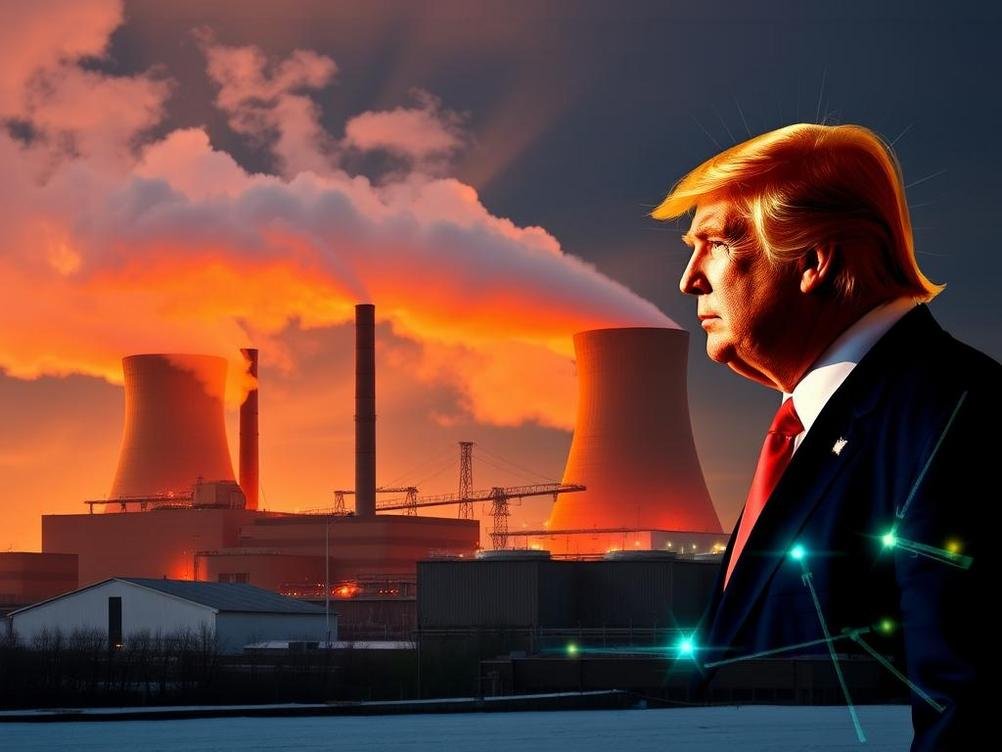
How AI is Breathing New Life into Coal Plants While Trump Cranks Up the Smoke
Imagine kicking back with a cup of coffee, scrolling through the news, and stumbling upon this wild headline: AI, the tech wonderkid we all love for making our lives easier, is now teaming up with old-school coal plants to keep them chugging along. But wait, throw in a dash of politics with Trump pushing for dirtier energy policies, and you’ve got a real head-scratcher on your hands. Is this progress or just a sneaky way to delay the green revolution? As someone who’s geeked out on tech and environmental stuff for years, I couldn’t help but dive deeper into this mess. It’s like watching a sci-fi movie where the hero (AI) saves the villain (coal) from extinction, but at what cost to our planet? We’re talking about machines learning to squeeze every last drop of efficiency out of these dusty powerhouses, potentially cutting costs and emissions, while political winds blow in the opposite direction. Stick around, because I’m unpacking all of this in a way that won’t put you to sleep—I promise no boring lectures, just straight talk with a side of humor and real insights. After all, who knew artificial intelligence could play matchmaker to fossil fuels and policy flip-flops? By the end, you might just see why this story is a big deal for our energy future, and hey, maybe even spark some thoughts on how we can push for smarter, cleaner choices.
What’s the Deal with AI and Coal Plants Anyway?
Okay, let’s start from the top: AI isn’t just about chatbots or self-driving cars; it’s worming its way into industries you might not expect, like the gritty world of coal power. Picture this—AI algorithms acting like super-smart overseers, analyzing massive amounts of data in real-time to optimize how coal plants run. They can predict maintenance needs, tweak fuel usage, and even reduce waste, which sounds pretty heroic, right? But here’s the twist: while coal has been on the ropes for years thanks to renewables stealing the spotlight, AI is stepping in as the unexpected lifeline. It’s like giving an old jalopy a high-tech tune-up so it can race again, but we’re all wondering if that’s really the best idea.
From what I’ve read, companies are using AI to make coal plants more efficient, potentially extending their lifespan by a decade or more. For instance, tools from outfits like Google or IBM—check out IBM’s AI for energy solutions—are helping predict equipment failures before they happen, saving millions in downtime. And let’s not forget the environmental angle; AI could cut emissions by up to 20% in some cases, according to reports from the International Energy Agency. That’s a game-changer, but it also raises eyebrows because, well, coal is still coal—dirty and carbon-heavy. So, is AI just putting a band-aid on a bigger problem, or is it a smart bridge to a cleaner era?
To break it down simply, think of AI as that friend who helps you juggle too many balls without dropping them. In coal plants, it means better resource management, like automatically adjusting burners based on demand. Here’s a quick list of how AI is making waves:
- Fault detection: Spotting issues early to avoid costly breakdowns.
- Energy optimization: Fine-tuning operations to use less fuel for the same output.
- Predictive analytics: Forecasting market trends so plants can ramp up or down efficiently.
It’s fascinating stuff, but as we’ll see, it’s not all sunshine and roses when politics get involved.
Trump’s Influence: Making Coal Plants Even Grubbier?
Now, enter stage right: former President Trump and his love affair with coal. During his time in office, he pushed policies that rolled back environmental regs, basically giving coal a free pass to get dirtier. It’s like he handed out party invites to the fossil fuel bash while the rest of the world was trying to clean up. With Trump talking about ‘making America energy independent’ again, we’re seeing efforts to loosen emission standards, which could mean coal plants operate with less oversight. But here’s the irony—AI might be propping these plants up just as Trump’s moves make them less eco-friendly. It’s a bizarre partnership that feels like mixing oil and water, don’t you think?
From 2017 to 2021, Trump’s administration cut back on clean air rules, allowing more pollutants like sulfur dioxide and mercury to slip through. Stats from the EPA show that these rollbacks potentially increased emissions by thousands of tons annually. Now, fast-forward to today, and AI’s efficiency gains could counter some of that, but only if plants actually implement them. I’ve seen reports from sources like the EPA’s site that highlight how these policy shifts have slowed the shift to renewables. It’s almost comical—AI is trying to clean up the mess while Trump’s legacy is tossing more trash into the pile. The real question is, are we delaying the inevitable or buying time for better tech?
Let’s not sugarcoat it; this has sparked debates in energy circles. Proponents argue it keeps jobs alive in coal-dependent areas, while critics call it environmental sabotage. If you’re in a rust-belt town, this might look like a win, but globally, it’s a step back from net-zero goals.
How AI is Actually Making Coal Plants Smarter (Sort Of)
Dive a little deeper, and you’ll see AI isn’t just a band-aid; it’s more like a full-on upgrade kit for coal plants. We’re talking machine learning models that crunch data from sensors to optimize everything from combustion processes to cooling systems. It’s wild how AI can learn from patterns, like predicting when a boiler might overheat based on past ops. In a way, it’s turning these industrial beasts into nimble performers, cutting energy waste and even boosting output. But let’s keep it real—while this makes coal plants more viable, it’s still not solving the core issue of carbon emissions.
Take a real example: In places like India or China, where coal powers much of the grid, AI-driven tech from companies such as Siemens—their energy solutions page has some cool details—is helping reduce coal consumption by 5-10%. That’s not peanuts; it means less mining, fewer emissions, and more savings. Imagine your phone getting smarter over time—AI does the same for power plants, adapting to changes in weather or demand. Still, it’s a bit like putting lipstick on a pig; coal’s environmental footprint remains massive.
To make this relatable, here’s a list of AI’s key tricks in coal operations:
- Real-time monitoring: Using AI to watch for inefficiencies and suggest fixes on the fly.
- Automation: Handling repetitive tasks so human workers can focus on bigger stuff.
- Data-driven decisions: Analyzing trends to cut costs, like adjusting fuel mixes based on price fluctuations.
It’s innovative, sure, but we can’t ignore the bigger picture.
The Environmental Headache: Is This Worth the Hype?
Alright, let’s get to the nitty-gritty—AI might be giving coal a second wind, but at what price to Mother Nature? We’ve got climate change knocking on our door, with reports from the UN warning that we’re way off track for limiting global warming. Coal plants are major culprits, spewing CO2 and other nasties, and even with AI’s help, they’re not going to suddenly turn green. It’s like using a fancy filter on a polluted river; it might look better, but the source is still murky. Trump’s policies only amplify this by easing restrictions, making it easier for plants to operate without the latest scrubbers or filters.
Statistics paint a grim picture: The World Resources Institute estimates that without swift action, coal could account for a quarter of global emissions by 2030. AI could mitigate some of that—perhaps shaving off 15% through efficiency gains—but it’s not a magic bullet. Think about it: If we’re relying on AI to prop up coal while ignoring solar or wind, we’re just kicking the can down the road. And with Trump’s influence lingering, states like Pennsylvania or Wyoming might double down on coal, ignoring the global push for sustainability.
In everyday terms, this means more extreme weather, health issues from polluted air, and higher costs down the line. It’s a tough spot, but AI could pivot us toward hybrids, blending coal with cleaner tech until we fully transition.
What the Future Holds: AI, Coal, and the Energy Shake-Up
Looking ahead, AI’s role in coal plants might be a temporary fix in a rapidly changing energy landscape. As renewables get cheaper and more reliable, coal’s days are numbered, but AI could ease the transition by making existing infrastructure last longer. It’s like using a map app to navigate a detour; it gets you there, but eventually, you’ll hit the main road. With global commitments like the Paris Agreement pushing for net-zero, AI might redirect its smarts toward green tech, helping solar farms or battery storage instead.
Experts from places like the International Energy Agency predict that by 2035, AI could revolutionize energy grids, making them smarter and more integrated. But if Trump’s policies persist, it might slow this down in the U.S. Humor me here: It’s like AI is the cool kid in class, but coal is that outdated trend it’s reluctantly hanging with. The real opportunity? Using AI to accelerate clean energy, like optimizing wind turbine placements or predicting solar output.
Key possibilities include:
- Innovative hybrids: AI managing coal plants alongside renewables for a balanced grid.
- Policy reforms: Pushing for incentives that favor AI in clean tech over dirty extensions.
- Job shifts: Retraining workers for AI-driven green sectors to avoid economic fallout.
Conclusion: Time to Get Smart About Energy
Wrapping this up, it’s clear that AI giving coal plants a lifeline is a double-edged sword—great for short-term efficiency but risky for our planet, especially with Trump’s pollution-friendly policies in the mix. We’ve explored how AI can optimize operations, the political tangle, and the environmental stakes, and it’s got me thinking: Do we lean into this tech to buy time, or pivot hard toward sustainable solutions? The beauty of AI is its adaptability; it could be the key to a cleaner future if we steer it right. As we move forward, let’s push for smarter choices that benefit everyone, not just hold onto the past. Who knows, maybe this odd alliance will spark the innovation we need—after all, even unlikely partnerships can lead to breakthroughs. So, what’s your take? Let’s keep the conversation going and work toward an energy world that’s as clever as the tech we’re building.