 dailytech.ai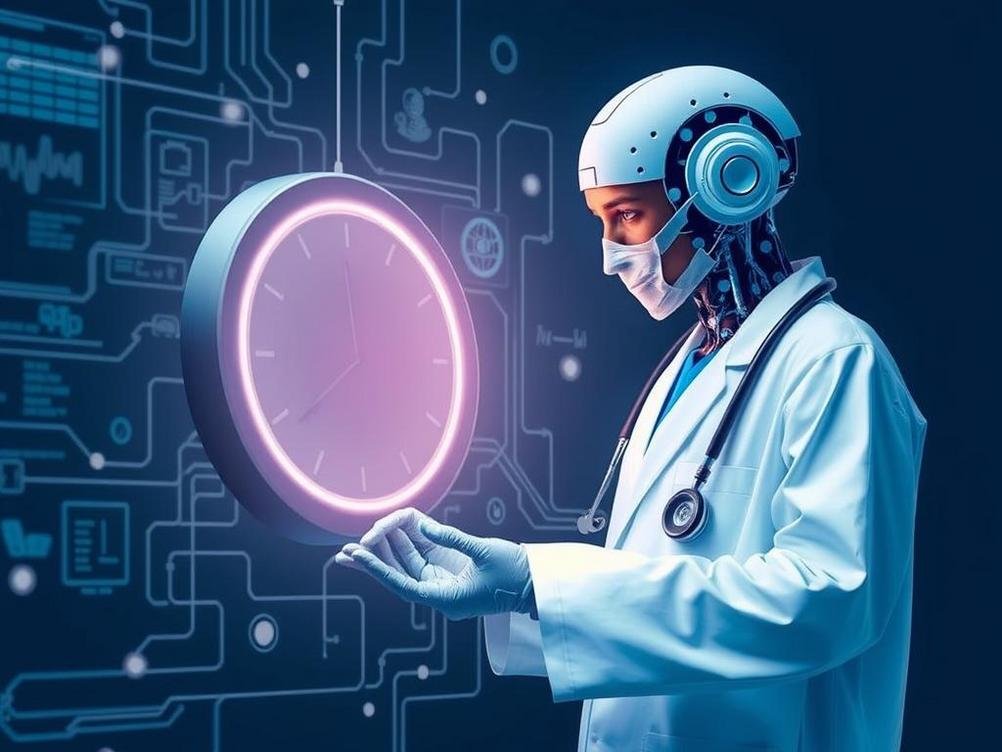
How AI is Revolutionizing Healthcare by Tackling Doctor Time Woes
Picture this: It’s a hectic Monday morning at the clinic, and Dr. Sarah is buried under a mountain of paperwork, patient charts, and that ever-growing list of emails. She’s got patients waiting in the lobby, each with their own story, aches, and questions, but she’s stuck transcribing notes from her last appointment. Sound familiar? If you’re in healthcare or know someone who is, you probably get it—the time crunch is real. Providers, from doctors to nurses, are juggling so much that actual patient care often takes a backseat. Enter AI, that tech wizard we’ve all been hearing about. It’s not just for sci-fi movies anymore; it’s stepping in to give these overworked heroes a break. In this post, we’re diving into how artificial intelligence is flipping the script on provider time challenges. We’ll explore real ways it’s making a difference, sprinkle in some laughs along the way (because who doesn’t need a chuckle in medicine?), and maybe even convince you that AI isn’t here to replace docs but to supercharge them. Stick around; by the end, you might just see why embracing this tech could be the best prescription for a healthier system. And hey, if you’re a provider reading this, grab a coffee—AI might just buy you time for that second cup.
The Time Trap: Why Providers Are Always Racing the Clock
Let’s be honest, being a healthcare provider is like being a juggler in a circus—except the balls are patients’ lives, administrative tasks, and oh yeah, trying to have a personal life. Studies show that physicians spend nearly half their day on paperwork and electronic health records (EHRs), leaving precious little for face-to-face interactions. It’s exhausting, leading to burnout rates that are through the roof. I remember chatting with a friend who’s a GP; she said she feels like she’s drowning in data entry, wishing she could clone herself just to keep up.
But it’s not just anecdotal. According to a report from the American Medical Association, docs log about 16 minutes per patient on EHRs alone. Multiply that by a full day’s schedule, and you’re looking at hours lost to clicking and typing. This time sink affects everything from diagnostic accuracy to patient satisfaction. No wonder turnover is high—providers are humans, not robots, and they need time to think, empathize, and heal.
Enter the villain: inefficiency. From scheduling mishaps to redundant tests, the system is riddled with time-wasters. But fear not, because AI is like that clever sidekick ready to swoop in and save the day.
AI to the Rescue: Automating the Mundane Stuff
One of the coolest ways AI is helping is by taking over those boring, repetitive tasks that eat up hours. Think about voice recognition software that’s way smarter than your phone’s autocorrect fails. Tools like Nuance’s Dragon Medical One let doctors dictate notes directly into EHRs, cutting down transcription time by up to 45%. It’s like having a super-efficient secretary who never takes a lunch break—though, let’s be real, everyone deserves a break.
Beyond dictation, AI-powered chatbots are handling initial patient inquiries. Imagine a system that triages symptoms before the patient even steps foot in the office. Companies like Ada Health (ada.com) are making this a reality, freeing up providers for more complex cases. It’s not perfect—AI can’t replace a doctor’s intuition yet—but it’s a heck of a start, reducing wait times and letting pros focus on what they do best: caring for people.
And don’t get me started on predictive analytics. AI can sift through mountains of data to flag potential issues, like reminding a doc about a patient’s allergy before prescribing meds. It’s like having a crystal ball, but powered by algorithms instead of mysticism.
Streamlining Diagnostics: Faster Insights, Better Outcomes
Diagnostics can be a real time vampire, especially with imaging and lab results. AI is changing that game with tools that analyze X-rays or MRIs in seconds. For instance, Google’s DeepMind has tech that detects eye diseases from scans as accurately as top specialists, and it does it way quicker. Providers get results fast, meaning quicker diagnoses and treatments—talk about a win-win.
But it’s not all about speed; accuracy matters too. AI reduces human error, which is crucial when time is of the essence. A study in The Lancet showed AI-assisted pathology spotting breast cancer with 92% accuracy, compared to 73% for pathologists alone. Of course, it’s a team effort—AI suggests, humans decide. It’s like having a trusty co-pilot who never gets jet-lagged.
Real-world example? Hospitals using IBM Watson Health are seeing faster turnaround on oncology reports. Providers spend less time puzzling over data and more time planning care. If that’s not a time-saver, I don’t know what is.
Personalized Care Without the Extra Hours
Personalized medicine sounds fancy, but it often means more work for providers. AI flips that by crunching patient data to tailor treatments. Wearables and apps feed info into AI systems that predict flare-ups for chronic conditions like diabetes. Docs get alerts, intervening before things escalate, all without poring over charts for hours.
Take PathAI, which uses machine learning to customize pathology reports. It helps oncologists pick the right therapies faster, saving time and potentially lives. And let’s add a dash of humor: AI is like that friend who remembers your coffee order perfectly, every time—no more generic lattes in healthcare.
This personalization extends to mental health too. Apps like Woebot use AI for cognitive behavioral therapy chats, easing the load on therapists. Providers oversee, but the grunt work is handled, giving them bandwidth for deeper sessions.
Overcoming Hurdles: The Not-So-Perfect Side of AI in Healthcare
Okay, let’s keep it real—AI isn’t a magic wand. There are challenges, like data privacy concerns. HIPAA is no joke, and integrating AI means ensuring patient info stays secure. Plus, there’s the learning curve; not every provider is a tech whiz, so training is key.
Bias in algorithms is another hiccup. If the data fed into AI is skewed, outcomes can be unfair. Researchers are working on this, but it’s a reminder that AI needs human oversight. Think of it as teaching a puppy new tricks—reward the good, correct the bad.
Cost is a factor too. Implementing AI isn’t cheap, but the long-term savings in time and efficiency could outweigh that. Pilot programs in places like the Mayo Clinic are proving it’s worth the investment.
Future-Proofing Healthcare: What’s Next for AI?
Looking ahead, AI could transform telemedicine, making virtual visits smoother with real-time translation or sentiment analysis. Imagine diagnosing from afar with AI-assisted tools—perfect for rural areas where providers are scarce.
Research is buzzing with possibilities, like AI predicting epidemics or optimizing hospital staffing. It’s exciting, but we must tread carefully to avoid over-reliance. After all, medicine is as much art as science, and AI enhances, not replaces, the human touch.
Innovations from startups like PathAI or big players like Microsoft are pushing boundaries. Who knows? Soon, AI might even handle those pesky insurance claims, giving providers one less headache.
Conclusion
Wrapping this up, it’s clear AI is a game-changer for tackling provider time challenges in healthcare. From automating admin tasks to speeding up diagnostics and personalizing care, it’s giving doctors and nurses the gift of time—time to connect with patients, recharge, and innovate. Sure, there are bumps along the road, like privacy worries and tech hurdles, but the potential is huge. As we embrace these tools, let’s remember the goal: better care for all. If you’re in healthcare, why not explore an AI solution today? It might just make your days a little less chaotic and a lot more fulfilling. After all, in the race against the clock, AI could be your secret weapon. Stay curious, folks!









Leave a Reply