dailytech.ai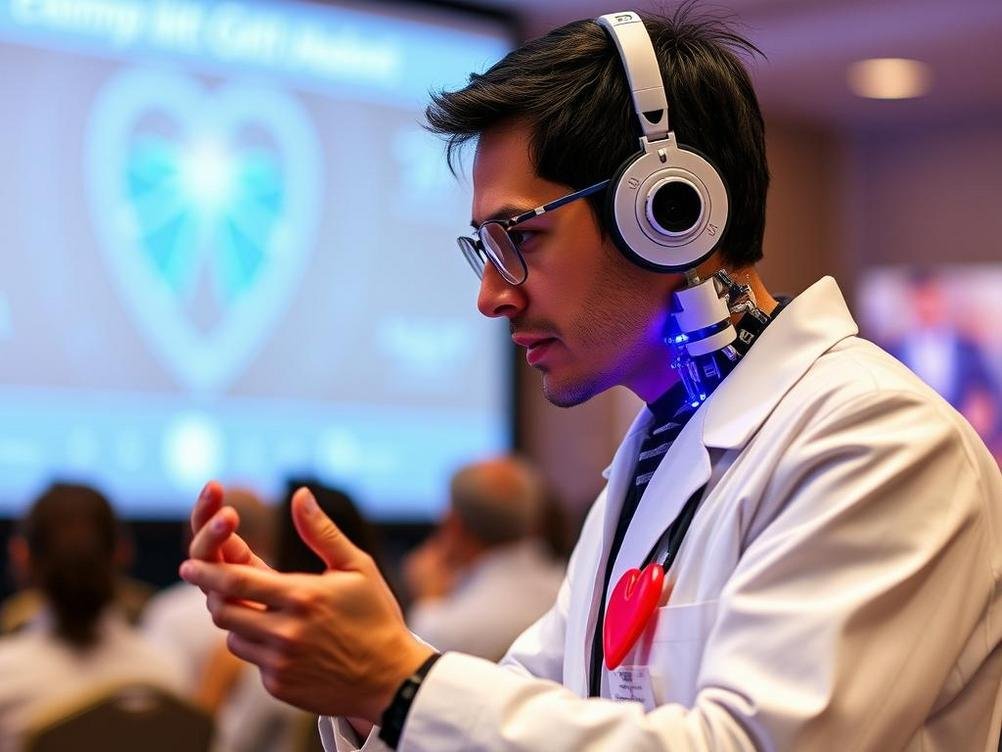
How AI is Stealing the Show in Heart Health at the SC Summit
Imagine if your heart could get a high-tech upgrade from something straight out of a sci-fi flick—think robots analyzing your heartbeat before you even feel a twinge. That’s basically what the SC’s first Digital & AI Summit is all about, folks. It’s this big shindig where tech whizzes and heart docs are teaming up to push AI into the world of cardiovascular care. I mean, we’re talking about predicting heart attacks with algorithms that are smarter than your average smartphone. But let’s be real, hasn’t technology always been a bit like that unreliable friend who promises to solve all your problems but sometimes crashes at the worst moment? This summit isn’t just another conference; it’s a game-changer for how we tackle heart disease, which, by the way, is still the sneaky villain knocking off more people than we’d like to admit. According to the World Health Organization, cardiovascular diseases cause about 17.9 million deaths each year—that’s one in every 17 ticks of the clock globally. So, why should you care? Because AI could be the sidekick we’ve been waiting for, turning complex data into lifesaving insights without needing a cape. We’ll dive into the nitty-gritty, share some laughs, and explore how this summit is setting the stage for a healthier future. Stick around, and let’s unpack this tech revolution one heartbeat at a time.
What Exactly is the SC Digital & AI Summit?
You might be wondering, “SC? Is that some secret society or just another acronym to forget?” Well, it stands for the Supercomputing Conference, and they’re kicking off their very first Digital & AI Summit focused on cardiovascular innovation. Picture this: a bunch of brainy folks gathering to geek out over how supercomputers and AI can turbocharge heart health research. It’s not your grandma’s knitting circle; it’s a high-stakes event where ideas fly faster than a caffeinated squirrel. The summit aims to bridge the gap between cutting-edge tech and real-world medicine, especially for hearts that are, let’s face it, under constant siege from modern life’s stresses like junk food and desk jobs.
From what I’ve gathered, the event is all about fostering collaboration between AI experts, cardiologists, and even data nerds. They’re discussing everything from AI-driven diagnostics to predictive modeling that could spot trouble before it starts. It’s like giving your heart a personal fortune teller, but one backed by science. And hey, in a world where heart disease is the leading cause of death, as per the American Heart Association, events like this are like a breath of fresh air—or should I say, a steady heartbeat? If you’re into tech, this summit is your ticket to seeing how AI isn’t just for self-driving cars; it’s for saving lives too.
The Game-Changing Role of AI in Cardiovascular Innovation
Alright, let’s cut to the chase: AI isn’t just some buzzword; it’s like the wizard behind the curtain in Oz, making sense of massive amounts of health data that humans couldn’t handle alone. In cardiology, AI is stepping up to analyze heart scans, predict risks, and even suggest treatments faster than you can say “pass the statins.” Think about it—machines learning from thousands of patient records to spot patterns we might miss. That’s pretty cool, right? For instance, AI algorithms can detect arrhythmias with over 90% accuracy, according to studies from Stanford University, which is way better than relying on tired doctors after a 24-hour shift.
But here’s where it gets fun: Imagine AI as that overly enthusiastic friend who remembers every detail about your life. In heart care, it’s sifting through ECG data or MRI images to flag issues early. A metaphor I like is comparing it to a video game where AI levels up your health stats. The SC Summit is highlighting how this tech can lead to personalized medicine, tailoring treatments to your unique biology. And let’s not forget the humor in it—AI might not have feelings, but it’s got a knack for stealing the spotlight from traditional methods, making us wonder if robots will soon be writing prescriptions.
- AI-powered predictive analytics for early heart disease detection.
- Integration of wearable devices like Fitbits to monitor heart rhythms in real-time.
- Collaboration between tech giants and health orgs to refine AI models.
Key Highlights and Sessions from the Summit
If you were at the SC Summit, you’d have heard talks on everything from AI-enhanced imaging to virtual simulations of heart procedures. One session dove into how AI is revolutionizing stress tests, using machine learning to interpret results with pinpoint accuracy. It’s like having a super-smart assistant that doesn’t take coffee breaks. Speakers shared stories of how AI helped in clinical trials, reducing errors by up to 30%, as reported in a study from the Journal of the American College of Cardiology. Pretty eye-opening, huh?
What made this summit stand out was the mix of panels and demos—think live AI demos predicting heart failures from data sets. There was even a lighthearted moment when a speaker joked about AI “ghosting” bad data, making everyone chuckle. But seriously, the event underscored partnerships, like those between SC and organizations such as the American Heart Association (heart.org), pushing for AI tools that could be in every doctor’s toolkit soon. It’s not just talk; it’s actionable stuff that could save lives.
- Breakthrough sessions on AI for non-invasive heart monitoring.
- Discussions on ethical AI use in patient data privacy.
- Networking opportunities for innovators to collaborate on future projects.
Real-World Applications: AI Making Hearts Smarter
Okay, let’s get practical—how is AI actually showing up in everyday heart care? For starters, apps like those from Apple Health are using AI to track heart rates and alert you to irregularities, almost like having a guardian angel in your pocket. In hospitals, AI is analyzing echocardiograms to detect valve issues quicker than a human eye, which is a game-changer for patients. I remember reading about a case where AI spotted a rare heart condition in a kid, something that might’ve been overlooked otherwise. It’s like AI is the underdog hero in a blockbuster movie.
And don’t even get me started on telemedicine; AI is making remote consultations a breeze, especially in rural areas where top cardiologists are as scarce as hen’s teeth. A statistic from the Mayo Clinic shows that AI-assisted diagnoses can cut down treatment times by 40%. Plus, it’s got a fun side—imagine an AI chatbot giving you heart health tips with a dash of wit, like, “Hey, skip that extra slice of pizza; your heart’s not a fan.” Tools like IBM’s Watson Health (ibm.com/watson-health) are already in the mix, proving that AI isn’t just futuristic; it’s here and helping.
- AI in wearable tech for continuous heart monitoring.
- Customized treatment plans based on genetic data analysis.
- Integration with electronic health records for seamless care.
Challenges and the Hilarious Side of AI Adoption
Now, let’s not pretend everything’s roses—AI in heart health has its bumps. For one, training these algorithms requires a mountain of data, and getting that without privacy slip-ups is like herding cats. There’s also the whole “garbage in, garbage out” issue, where bad data leads to wonky predictions. I heard a funny story from the summit about an AI model that got confused by unusual patient data and suggested a ridiculous treatment—picture recommending yoga for a severe blockage! But seriously, challenges like bias in algorithms or the cost of implementation are real, and the summit addressed them head-on.
On a lighter note, AI’s learning curve can be comical. Imagine a doctor relying on an AI that’s still “learning” and misses something obvious—that’s like asking a newbie chef to handle a five-star kitchen. Yet, events like the SC Summit are tackling these by promoting better data standards and regulations. It’s all about balancing the wow factor with reality, ensuring AI doesn’t turn into a tech Frankenstein.
Future Predictions: What’s Next for AI in Heart Health?
Looking ahead, AI in cardiovascular care is poised to explode, much like that popcorn in the microwave you forget about. Experts at the summit predicted we’ll see AI-powered nanorobots zipping through veins for real-time repairs by the end of the decade—that’s straight out of sci-fi, but hey, who knows? With advancements in machine learning, we could have AI systems that not only diagnose but also prevent heart issues through lifestyle coaching apps. It’s exciting, but let’s keep it grounded; we’re talking about tech that could reduce global heart disease deaths by 20% in the next 10 years, according to projections from the Global Burden of Disease study.
The summit also touched on how AI might integrate with emerging tech like 5G for faster data sharing in emergencies. It’s like giving ambulances a superpower. And with a sense of humor, one speaker quipped that soon, AI might even write better blog posts than me—ouch! But seriously, the future is bright, as long as we navigate the ethical minefields.
Conclusion
As we wrap this up, the SC Digital & AI Summit isn’t just a one-off event; it’s a beacon for how AI can transform heart health from reactive to proactive. We’ve covered the basics, the breakthroughs, and even the bumps along the way, showing that while AI might not have a heart of its own, it’s dead set on protecting ours. From predictive tools to personalized care, the potential is immense, and it’s up to us to embrace it with a mix of excitement and caution. So, next time you lace up for a jog or skip that greasy burger, remember: AI could be your silent partner in the fight for a healthier life. Let’s keep the conversation going—after all, a little tech magic might just be the heart’s best friend.