dailytech.ai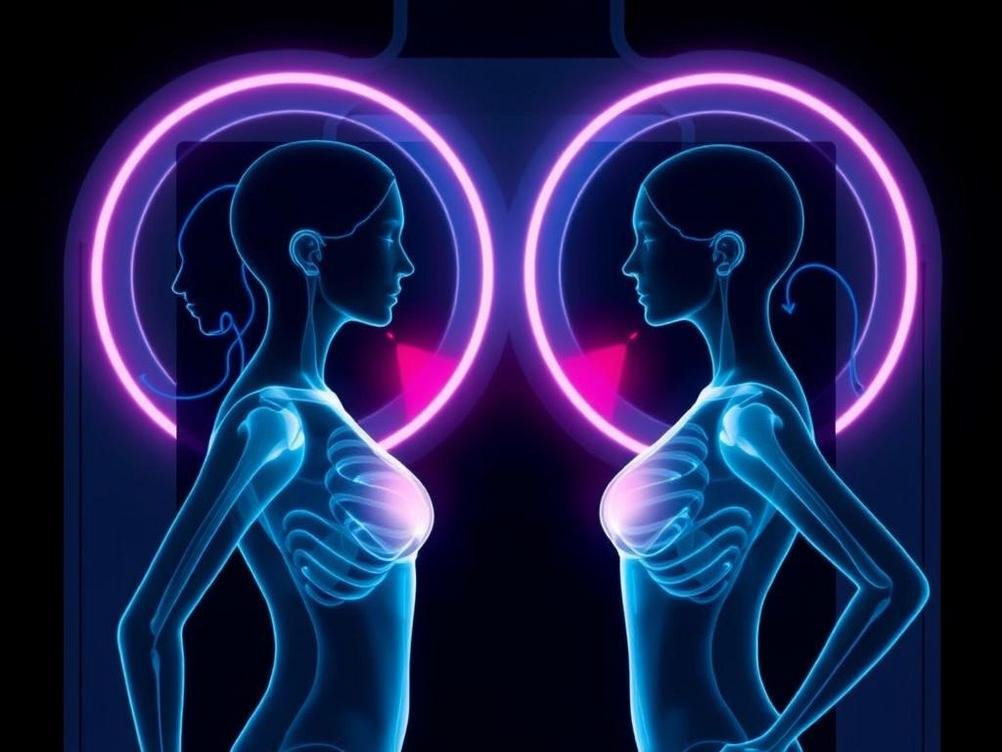
How AI is Turning Mammograms into Ultimate Health Superheroes
Okay, let’s kick things off with a little story that hits close to home—because who doesn’t love a good tale about boobs and tech? Picture this: You’re sitting in that chilly doctor’s office, staring at the ceiling while getting your routine mammogram, thinking, “This is about as exciting as watching paint dry.” But what if I told you that the AI world is sneaking in like a clever hacker, turning this standard scan into a Swiss Army knife of health checks? Yeah, we’re talking about detecting not just breast cancer early but maybe even spotting other sneaky issues lurking in your body. It’s like upgrading from a basic flashlight to a high-tech gadget that lights up the whole room—and possibly saves lives in the process.
Now, I know what you’re thinking: “AI in healthcare? Isn’t that just a bunch of hype from those sci-fi movies?” Well, hold onto your hats because the AI industry is dead set on making mammograms way more than just a quick peek at your chest X-rays. We’re diving into how machine learning algorithms are analyzing images faster and smarter than ever, potentially catching problems before they even show symptoms. Think about it—millions of women get mammograms every year, and if AI can turn that into a multi-tool for overall health, it’s a game-changer. According to the American Cancer Society, early detection through mammograms has already helped reduce breast cancer deaths by about 40% since the 1990s, and AI is poised to crank that up even further. So, buckle up as we explore this wild ride, blending tech wizardry with real-world health wins, all while keeping things light-hearted and real. After all, who knew your annual check-up could become the star of the show?
What’s the Deal with Mammograms Anyway?
You know, mammograms have been around since the 1960s, but let’s be honest, they’ve always felt a bit like that reliable old car in your garage—gets the job done, but it’s not exactly thrilling. Basically, it’s an X-ray of the breast that helps spot lumps, calcifications, or other abnormalities that could signal cancer. But here’s the thing: Doctors and radiologists are human, which means they can miss stuff, especially in dense breast tissue where things get murky. Imagine trying to find a needle in a haystack while wearing foggy glasses—that’s what it can be like for them.
That’s where AI steps in, like a trusty sidekick ready to enhance the view. By feeding thousands of images into algorithms, AI learns to pick out patterns that might slip past the eye. And it’s not just about cancer anymore; researchers are exploring how these scans could double as tools for detecting heart disease or even early signs of diabetes. It’s wild to think that what started as a simple screening could evolve into a full-body intel gatherer. If you’re curious, check out studies on the National Cancer Institute’s page—they’ve got some eye-opening stats on how AI is shaking things up.
- First off, traditional mammograms are quick, usually taking less than 30 minutes, but they generate a ton of data that humans might overlook.
- Secondly, AI tools like those from Google Health are using deep learning to analyze images in seconds, spotting anomalies with up to 90% accuracy in some cases.
- And lastly, it’s making healthcare more accessible—think about rural areas where expert radiologists are scarce; AI could step in as a backup.
Why AI is Like a Magic Upgrade for Your Health Checks
Alright, let’s get to the fun part—AI isn’t just slapping a new coat of paint on mammograms; it’s rebuilding the engine. These systems use something called convolutional neural networks, which are basically like super-smart pattern recognizers. They’ve been trained on massive datasets, learning from past scans to predict issues with scary precision. It’s reminiscent of how Netflix recommends shows based on your binge history—except here, it’s about saving lives instead of suggesting the next episode of your favorite drama.
But what makes this upgrade feel so magical is how it handles the mundane. Radiologists often deal with fatigue from staring at screens all day, leading to errors. AI jumps in to double-check, highlighting potential problems without judgment. And hey, it’s not perfect—nothing is—but it’s getting better fast. For instance, a study in the Journal of the American Medical Association showed AI-assisted mammograms reducing false positives by 5-10%, which means less unnecessary stress for patients. Imagine that: No more “oops, false alarm” phone calls that make your heart drop.
Plus, with AI turning mammograms into multitools, we’re talking about integrated health insights. It could analyze blood flow or tissue density for other conditions, all from one scan. It’s like killing two birds with one stone, but in a good way—efficient and life-saving. If you want to dive deeper, pop over to the World Health Organization’s site for more on global efforts in AI-driven health tech.
How Exactly Does AI Work Its Magic on These Scans?
So, you’re probably wondering, how does this AI stuff actually pull off these tricks? It starts with algorithms chowing down on data—think billions of pixels from past mammograms. These machines learn to spot tiny differences, like a whisper in a crowded room. For example, AI might flag a cluster of microcalcifications that a human eye could miss, all while cross-referencing it with patient history for a fuller picture. It’s like having a detective on your side, piecing together clues from a mystery novel.
What’s cool is that AI doesn’t replace doctors; it teams up with them. In a typical setup, the AI processes the image first, then flags areas for the radiologist to review. This speeds things up and cuts down on errors. And let’s not forget the humor in it—AI is basically that friend who’s always pointing out the obvious, like, “Hey, that shadow looks weird!” According to a report from McKinsey, AI could add up to $100 billion in value to healthcare by 2025 through better diagnostics alone. Who knew machines could be such good wingmen?
- One key technique is image enhancement, where AI sharpens blurry areas to make details pop.
- Another is predictive analytics, forecasting risks based on patterns from similar cases.
- Finally, integration with wearables or electronic health records turns a single mammogram into a comprehensive health snapshot.
Real-World Wins: Stories from the AI Frontlines
Let’s make this real for a second—AI isn’t just theoretical; it’s already out there making waves. Take iCAD’s ProFound AI, for instance, which has been used in clinics to catch cancers that slipped through initial reviews. I mean, talk about a plot twist: A patient gets a clean bill initially, but AI spots something, leading to early treatment. These stories are popping up everywhere, from the UK’s NHS trials to US hospitals, showing how AI is turning routine checks into lifesavers.
And it’s not all roses, but the successes are inspiring. In one case study from Stanford, AI helped reduce mammogram reading time by 30%, letting doctors focus on patients instead of screens. It’s like giving them an extra hour in the day—who wouldn’t want that? Plus, for underrepresented groups, like women in remote areas, AI is bridging gaps, making high-quality care more equitable. If you’re into reading more, check out the National Institutes of Health’s updates on AI in diagnostics.
Potential Hiccups: What Could Go Wrong with AI Mammograms?
Hold on, before we get too starry-eyed, let’s chat about the bumps in the road. AI might be smart, but it’s still learning, and false alarms can happen—leading to unnecessary biopsies or anxiety. It’s like that overzealous security system that goes off at the slightest noise. Plus, there’s the data privacy thing; these systems crunch sensitive info, so ensuring it’s secure is a must. We don’t want AI turning into Big Brother in your bra, right?
On the flip side, biases in training data could skew results, especially for diverse populations. If the AI was mostly trained on one demographic, it might not work as well for others. But hey, researchers are on it, pushing for more inclusive datasets. A Pew Research report notes that about 60% of Americans are wary of AI in healthcare, so building trust is key. It’s all about balancing the tech with human oversight to keep things reliable and fair.
The Road Ahead: AI’s Bright Future in Health Tech
Looking forward, the AI industry is just warming up with mammograms. We could see portable devices that use AI for at-home screenings or even combining it with genomics for personalized medicine. It’s exhilarating, like watching a tech evolution unfold in real-time. Who knows, maybe in a few years, your mammogram could also check your vitamin levels or heart health—talk about a one-stop shop!
But it’ll take collaboration between techies, doctors, and regulators to get there. Governments are already investing, with the EU pouring billions into AI health projects. If we play our cards right, this could make healthcare more proactive and less reactive, catching issues before they balloon. It’s a future worth getting excited about, don’t you think?
Conclusion
Wrapping this up, it’s clear that AI is transforming the humble mammogram from a routine chore into a powerful multitool, potentially revolutionizing how we approach health. We’ve seen how it boosts accuracy, saves time, and even opens doors to broader diagnostics, all while keeping things human-centered. Sure, there are kinks to iron out, but the potential to save lives and ease burdens is huge—so here’s to hoping AI keeps evolving in the best ways.
As we move forward, let’s stay curious and supportive of these advancements. Whether you’re scheduling your next check-up or just geeking out on tech, remember that every step counts in making healthcare smarter and more accessible. Who knows? Your routine scan might just become the hero of your health story. Stay tuned, folks—this is only the beginning!