dailytech.ai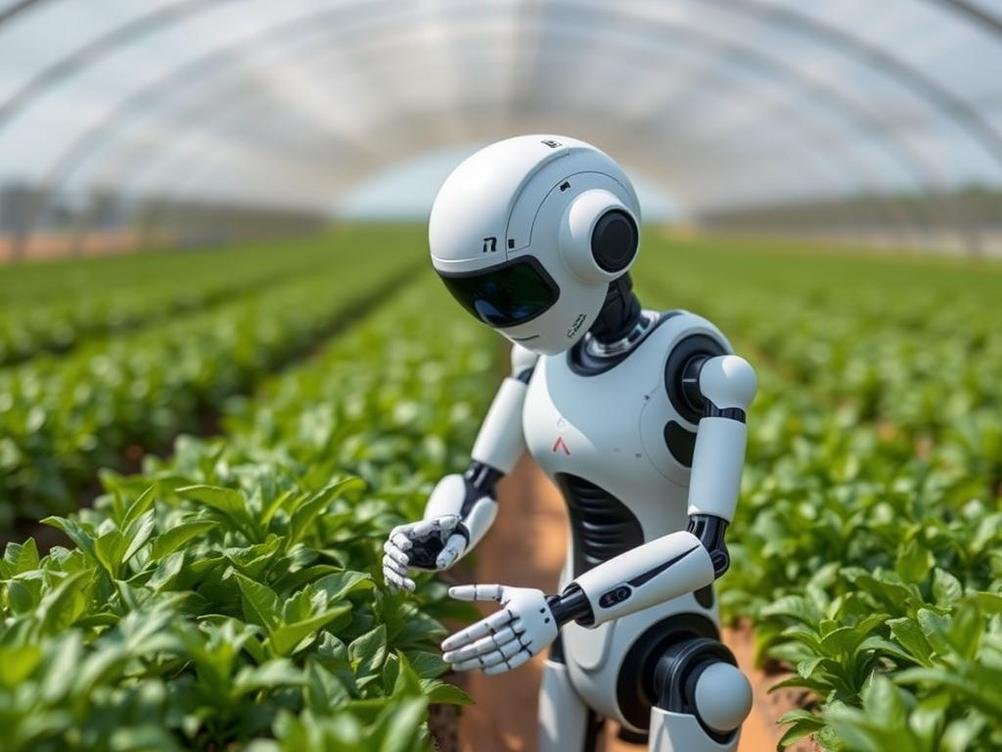
How AI and Robotics Could Supercharge Florida’s Farming Game by 35% by 2030
Ever wondered what it would be like if robots started doing the heavy lifting in Florida’s vast fields of oranges, strawberries, and tomatoes? I mean, picture this: you’re sipping a fresh OJ on your porch, and meanwhile, AI-powered machines are out there zipping around, spotting pests before they wreak havoc or harvesting crops with laser precision. That’s not some sci-fi dream; according to a researcher from the University of Florida, AI and robotics could crank up Florida’s agriculture productivity by a whopping 35% by 2030. It’s like giving Mother Nature a high-tech upgrade! As someone who’s always geeked out over tech innovations, I find this fascinating because Florida isn’t just about beaches and theme parks—it’s a massive agricultural powerhouse, producing everything from winter veggies to exotic fruits. But let’s be real, farming has always been tough: unpredictable weather, labor shortages, and escalating costs can make it feel like you’re fighting an uphill battle. This prediction isn’t just numbers on a page; it’s a potential game-changer that could mean more sustainable practices, higher yields, and even fresher produce on our tables. Dive in with me as we unpack how AI is set to transform the Sunshine State’s green fields, and why you should care whether you’re a farmer, a foodie, or just someone who enjoys a good slice of key lime pie.
What’s the Big Hype Around AI in Florida Agriculture?
You know, when I first heard about this 35% boost from a UF researcher, I had to rub my eyes and check if I was reading it right. Florida’s agriculture is already a beast, contributing billions to the economy with its citrus groves and vegetable patches. But throw in AI and robotics, and it’s like adding rocket fuel to a lawnmower. These technologies aren’t just fancy gadgets; they’re smart systems that can analyze soil health, predict weather patterns, and even automate tedious tasks like weeding or picking fruits. Imagine drones flying over fields, snapping pics that AI algorithms turn into actionable insights—faster than you can say “pass the sunscreen.” It’s not about replacing farmers; it’s about giving them superpowers to work smarter, not harder.
And let’s not forget the human angle here. Florida’s farming industry has been hit hard by things like climate change and worker shortages, especially after events like hurricanes that can wipe out crops in a flash. A study from the University of Florida (you can check it out at uf.ifas.edu) highlights how AI could mitigate these issues by optimizing water usage and reducing chemical inputs. That means less waste and more eco-friendly practices, which is a win for everyone—from the environment to your wallet at the grocery store. If you’re a local grower, this could be the edge you’ve been waiting for in a competitive market.
- AI-driven sensors that monitor soil moisture in real-time, preventing overwatering and saving resources.
- Robotic harvesters that work around the clock, reducing the need for manual labor during peak seasons.
- Predictive analytics that forecast crop diseases, potentially cutting losses by up to 20%—that’s huge for Florida’s diverse farms.
How AI and Robotics Are Shaking Up the Fields
Okay, so how exactly does this tech magic happen? It’s not like robots are just rolling in and taking over; it’s more of a partnership. Take autonomous tractors, for instance—they use GPS and AI to plow rows with pinpoint accuracy, which means less overlap and fuel waste. In Florida, where land is prime real estate for both farming and tourism, efficiency is key. A UF researcher pointed out that by 2030, these advancements could lead to that 35% productivity jump, mostly through better resource management. It’s like having a personal assistant for your farm that never sleeps or complains about the heat.
But let’s get into the nitty-gritty. AI isn’t just about machines; it’s about data. Farms can now use apps and software to crunch numbers on everything from temperature fluctuations to pest migrations. For example, if a strawberry field in Plant City starts showing signs of fungus, AI can flag it early, saving the crop before it turns into a total loss. And humor me here: wouldn’t it be wild if your phone app could tell you exactly when to plant or harvest, based on historical data and current trends? That’s the future we’re hurtling toward, and Florida’s at the forefront.
- Integration of machine learning to analyze satellite images for crop health.
- Use of robotic arms for delicate tasks like berry picking, which humans find backbreaking.
- AI models that simulate different scenarios, helping farmers make decisions like pros.
Is a 35% Boost Actually in the Cards?
Alright, let’s address the elephant in the room: is this 35% figure pie in the sky or a real possibility? The UF researcher bases this on projections from current trends, like how AI has already helped other industries boost efficiency. In Florida, with its unique challenges—think saltwater intrusion in the Everglades affecting soil—AI could be a lifesaver. We’re talking about models that adapt to local conditions, making predictions more accurate than your standard weather app. I mean, who wouldn’t want to turn potential disasters into opportunities?
From what I’ve dug into, statistics show that AI adoption in agriculture globally has led to yield increases of 20-30% in some areas. If Florida ramps up, that 35% doesn’t seem far-fetched. Take California, for example, where similar tech has cut water usage by 25%—and Florida’s water issues are no joke. So, yeah, it’s plausible, but it depends on factors like investment and training. If farmers don’t get on board, it’s like having a Ferrari in the garage that you never drive.
- Potential savings: Up to $100 million in reduced losses for Florida’s citrus industry alone.
- Growth projections: By 2030, AI could add over $5 billion to the state’s ag economy, according to various reports.
- Risks: If tech fails, like during a power outage, it could set things back—always a wildcard.
Real-World Examples: AI in Action on Florida Farms
Let’s make this concrete with some stories from the ground. I’ve come across farms in places like Immokalee where AI-powered irrigation systems are already in use, adjusting water flow based on real-time data. It’s like the farm has its own weather station and brain combined. A UF study even showcased how drones equipped with AI can detect nutrient deficiencies in tomato plants before they affect the yield—talk about playing defense. These aren’t just experiments; they’re happening now, and they’re proving that tech can make farming less of a gamble.
Then there’s the fun side: robotic weed zappers that use lasers to target invaders without harming crops. Imagine that—zapping weeds like you’re in a video game! Companies like John Deere are pushing this forward, and in Florida, it’s adapting to our subtropical climate. It’s inspiring to see how these tools are making life easier for growers, who often work sunrise to sunset. If you’re into tech, this is like the agricultural version of self-driving cars.
Challenges and Hiccups on the Road to Robo-Farming
Don’t get me wrong, it’s not all smooth sailing. Implementing AI in Florida agriculture comes with its share of bumps. For starters, the cost can be a barrier—high-tech gear doesn’t come cheap, and not every small farmer has the budget for it. Plus, there’s the learning curve; if you’re used to traditional methods, wrapping your head around algorithms might feel like learning a new language. And let’s not ignore the ethical side: what about jobs? If robots take over, where does that leave the hardworking folks who’ve been in the fields for generations?
But here’s the silver lining: with proper support, like government grants or training programs, these challenges can be tackled. The UF researcher mentioned potential partnerships with tech firms to make AI more accessible. It’s like upgrading from a flip phone to a smartphone—awkward at first, but once you’re in, you wonder how you lived without it. On the environmental front, AI could reduce pesticide use by up to 50%, which is a big deal for Florida’s wetlands.
- Cost of entry: Initial investments can run into thousands, but long-term savings might justify it.
- Skill gaps: Need for workshops to train farmers, perhaps through local extensions.
- Data privacy: Ensuring farm data doesn’t get misused, which is a growing concern.
The Bigger Picture: What This Means for the Future
Looking ahead, the integration of AI in Florida agriculture isn’t just about numbers; it’s about building a resilient food system. By 2030, we could see a landscape where farms are more adaptive to climate change, producing more with less impact. Think about it: as the population grows, demand for food skyrockets, and Florida could lead the charge in sustainable innovation. It’s exciting, but it also calls for collaboration between researchers, farmers, and policymakers.
From my perspective, this is a chance to make agriculture cooler and more appealing to younger generations. Who knows, maybe we’ll have AI apps that let kids simulate farming, sparking interest in the industry. And on a global scale, Florida’s success could inspire other states or countries to follow suit, turning tech into a tool for worldwide food security.
Conclusion
To wrap this up, the idea that AI and robotics could boost Florida’s agriculture by 35% by 2030 is more than just optimistic chatter—it’s a roadmap to a brighter future. We’ve explored how this tech can revolutionize farming, from smarter decisions to tackling real challenges, all while keeping things sustainable and fun. If you’re in the ag world or just curious, it’s time to get on board and see how these innovations can make a difference. Who knows, in a few years, we might all be raising a glass to AI-grown crops at our next barbecue. Let’s keep the conversation going and push for the changes that will feed us all tomorrow.