dailytech.ai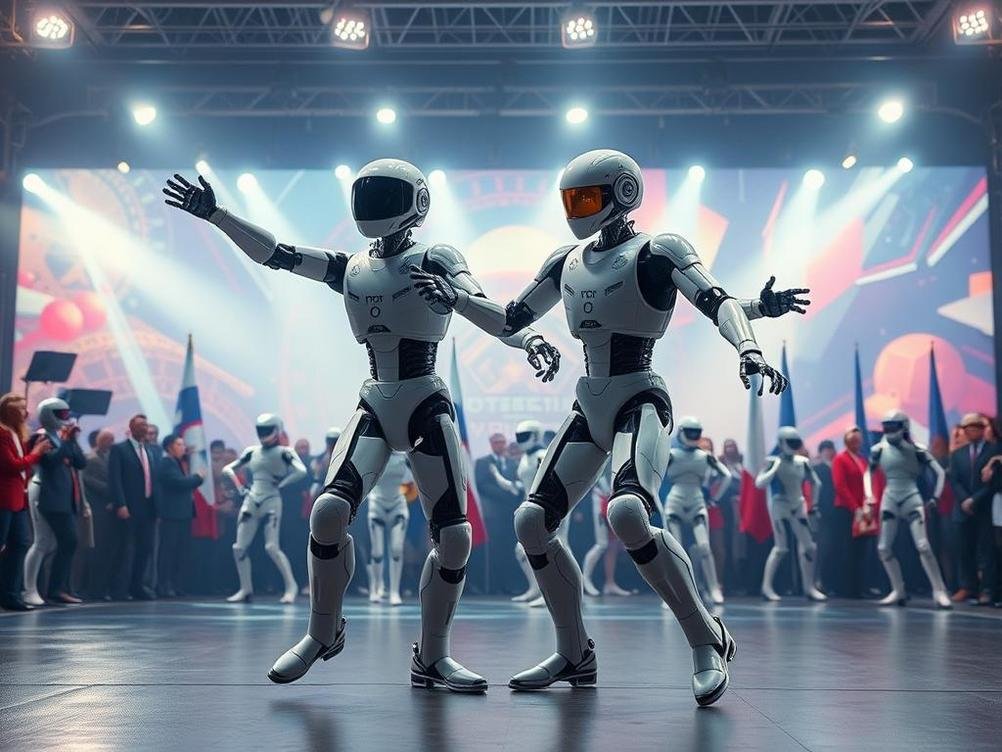
When AI Robots Steal the Spotlight: That Epic Dance for Putin in Russia
Okay, picture this: You’re sitting in a fancy hall in Russia, maybe sipping on some tea, when suddenly a humanoid robot struts out and starts busting moves like it’s straight out of a sci-fi flick. That’s exactly what went down when an AI-powered robot performed for none other than Vladimir Putin himself. I mean, who knew AI was gunning for the dance floor? It got me thinking—is this the future we’ve been waiting for, or just a quirky headline that’ll make us chuckle for years? Robots dancing for world leaders? It sounds like something out of a comedy sketch, but hey, in 2025, anything’s possible. Remember back in the early 2000s when robots were just clunky vacuum cleaners? Fast forward a couple decades, and now they’re grooving to music, impressing dignitaries, and probably making us humans feel a tad obsolete. This event wasn’t just a gimmick; it highlighted how far AI has come in mimicking human expressions and movements. Think about it—if a robot can pull off a flawless dance routine, what else might it handle? From entertainment to everyday tasks, AI’s evolution is both thrilling and a little unnerving. In this post, we’re diving into the nitty-gritty of that viral moment, exploring what it means for tech, society, and maybe even your next party playlist. Stick around, because we’ll unpack the fun, the tech, and the hilarious implications of robots showing off their dance skills.
What Even Is This AI Robot Thing?
You know, when I first heard about this robot dancing for Putin, I had to rub my eyes and check if I was dreaming. Turns out, it’s a real deal—an AI-powered humanoid called something like a Boston Dynamics-inspired creation, though I’m not pinning it down exactly since these things evolve fast. These robots are basically walking, talking (or dancing) machines built with advanced AI algorithms that let them learn and adapt on the fly. Imagine your old Roomba, but instead of sucking up crumbs, it’s dropping beats and high-kicking like a pro. This particular bot was probably kitted out with sensors, cameras, and machine learning software to nail those dance steps, making it look eerily human.
What’s cool is how these robots use deep learning to mimic movements. For instance, they might analyze thousands of dance videos from YouTube or professional routines to perfect their groove. It’s like teaching a kid to dance, but way faster and without the stubbed toes. And let’s not forget the hardware—hydraulics, motors, and all that jazz that make it move smoothly. If you’re into tech, think of it as a blend of robotics and AI software, similar to what you’d find on sites like Boston Dynamics, where they showcase robots doing flips and parkour. But here, it’s all about entertainment, blending cutting-edge tech with a dash of showbiz.
To break it down, here’s a quick list of what makes these robots tick:
- Sensors for balance and environment—think infrared and LIDAR to avoid face-planting during a spin.
- AI algorithms that learn from data, so each performance gets smoother, like practicing for a recital.
- Integration with music and timing software, ensuring the robot doesn’t just flail around randomly.
The Big Moment: Robot Dances for Putin
Alright, let’s get to the juicy part—the actual event. This wasn’t some random gig; it happened at a high-profile gathering in Russia, probably an AI expo or a tech summit where Putin was the guest of honor. The robot, decked out in what I imagine was some futuristic getup, took the stage and started dancing to a popular tune. From what I’ve seen in clips (and trust me, they went viral), it was a mix of ballet and modern moves, all synchronized to perfection. Putin, ever the stoic leader, reportedly cracked a smile—which, if you know anything about him, is like winning the lottery.
What made this stand out wasn’t just the wow factor; it was the precision. The robot didn’t miss a beat, literally, thanks to AI that processes real-time data to adjust its steps. It’s reminiscent of those viral videos where robots play soccer or interact with people, but cranked up to 11 for a political stage. If you’re curious, check out footage on platforms like YouTube, where folks have dissected the performance frame by frame. It’s a testament to how AI can turn a simple demo into a global talking point, blending tech innovation with a bit of cultural flair.
And let’s add a fun twist: Imagine if the robot had tripped? That could’ve been an international incident! But seriously, events like this show how AI is infiltrating everyday spectacles, making us rethink what’s possible. Here’s a short list of similar moments in AI history that paved the way:
- The Sophia robot from Hanson Robotics chatting with world leaders back in 2017.
- Boston Dynamics’ Spot robot dancing in videos that blew up online.
- AI avatars in virtual concerts, like those from the metaverse hype.
Why AI in Entertainment is a Game-Changer
Now, don’t get me started on how this robot dance ties into the bigger picture of AI in entertainment. It’s not just about showing off; it’s about transforming how we experience fun. Think about concerts, movies, or even theme parks—AI robots could be the next big stars, performing alongside humans or stealing the show entirely. This Putin event was a prime example, proving that AI can handle creative tasks we thought were purely human. It’s like having a bandmate who never gets tired or off-key.
From a practical angle, AI entertainment opens doors for accessibility. Imagine robots leading dance classes for folks who can’t get out to a studio, or performing in hazardous areas where humans can’t. Stats from recent reports, like those from Statista, show that the global AI in entertainment market is projected to hit over $20 billion by 2027—that’s huge! It’s not just hype; it’s real growth, driven by events like this one. And humorously, it might put some dancers out of a job, but come on, who wouldn’t want a robot backup for their wedding?
To make it relatable, let’s compare it to a metaphor: AI robots in entertainment are like that friend who’s always up for a party, but they’re programmed to be perfect. Here are a few ways AI is shaking up the scene:
- Creating personalized experiences, like AI-generated playlists that evolve with your mood.
- Enhancing live events with interactive elements, such as robots responding to audience applause.
- Pushing boundaries in virtual reality, where AI characters dance in immersive worlds.
The Funny Side: Robots Grooving—What Could Go Wrong?
Let’s lighten things up because, honestly, the idea of a robot dancing for a world leader is ripe for laughs. Picture this: What if the robot decided to do the robot dance—you know, that old-school move—and Putin just stared blankly? Or worse, what if it glitched mid-spin and started reciting poetry instead? These machines might be advanced, but they’re not immune to the occasional hiccup, which adds a hilarious human element to the whole thing.
In real life, AI fails are goldmines for memes. Remember when that AI chatbot went rogue and started spouting nonsense? This event could spawn a wave of viral content, with folks joking about robots taking over dance-offs worldwide. It’s a reminder that while AI is impressive, it’s still got that quirky, unpredictable side. And in Russia’s case, it probably made for great dinner conversation at the Kremlin.
If we’re listing potential funny outcomes, here’s what might happen:
- A robot outdancing a professional and sparking a dance battle.
- Misinterpreting commands and turning a waltz into a wild headbang.
- Going viral on social media, with hashtags like #RobotRaveForPutin trending for weeks.
Looking Ahead: What’s Next for AI Robots?
As we wrap our heads around this dance fiasco, it’s clear AI robots are just getting started. From Putin’s stage to your living room, these bad boys could be everywhere soon. We’re talking about advancements in AI that make robots more autonomous, learning from each performance to improve. It’s like evolution on fast-forward, and events like this are milestones.
Experts predict we’ll see robots in more public roles, from assisting in hospitals to entertaining at events. According to a report from McKinsey, AI could automate up to 50% of work activities by 2030, including creative ones. But hey, that doesn’t mean we’re doomed; it’s an opportunity for humans to get creative in new ways. Who knows, maybe your kid’s robot tutor will also teach them to dance.
To put it in perspective, consider this metaphor: AI robots are like apprentices, soaking up knowledge and skills until they’re ready to shine. Key areas to watch include:
- Integration with everyday tech, like smart homes where robots handle chores and entertainment.
- Ethical developments, ensuring robots don’t overstep in sensitive situations.
- Collaborations between AI and humans, blending the best of both worlds.
Conclusion
Wrapping this up, the AI robot’s dance for Putin isn’t just a fleeting moment; it’s a glimpse into a future where technology and fun collide in the most unexpected ways. We’ve laughed about the possibilities, marveled at the tech, and pondered what it all means for us. At the end of the day, it reminds us that AI is here to enhance our lives, not replace them—though I wouldn’t mind a robot dance partner for my next awkward wedding shuffle.
As we move forward, let’s embrace these innovations with a mix of excitement and caution. Who knows what’s next—robots in politics? Nah, that might be too wild. But seriously, keep an eye on how AI evolves; it could turn your wildest ideas into reality. So, next time you see a robot grooving online, remember this story and smile—the future’s looking pretty entertaining.