dailytech.ai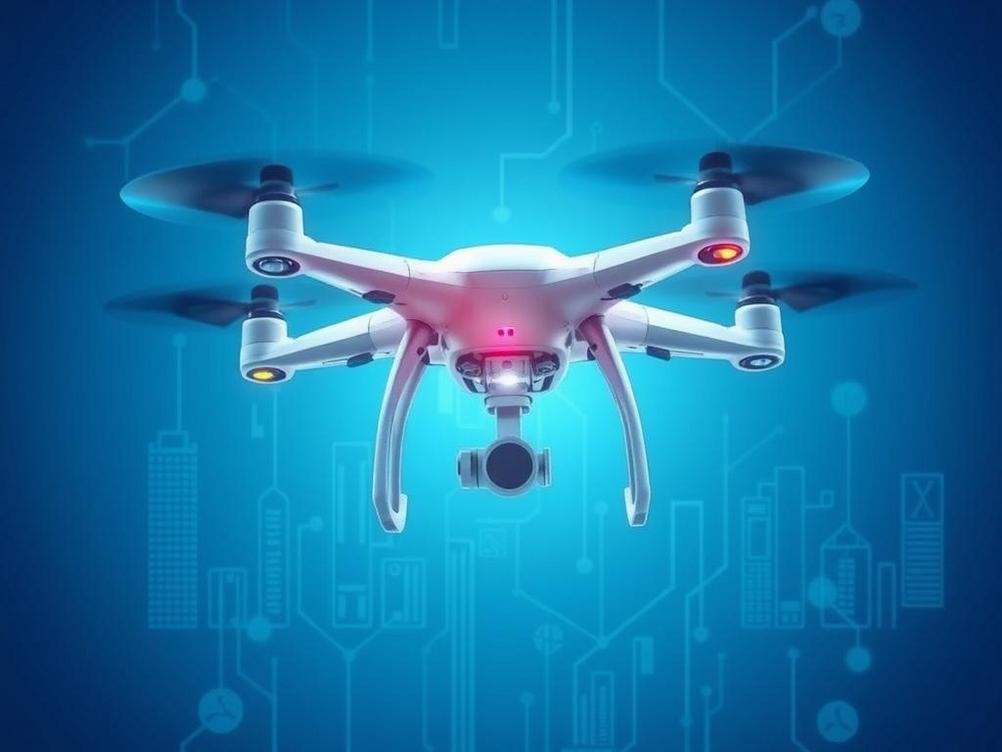
How AI is Shaking Up Drone Policing and Investment Game in 2025
Ever wondered what it’d be like if your local cops swapped their patrol cars for buzzing drones zipping through the sky? Picture this: it’s a lazy Sunday afternoon, you’re grilling burgers in the backyard, and suddenly, a drone whirs overhead, scanning for troublemakers or maybe just checking if you’re using the right charcoal. Sounds straight out of a sci-fi flick, right? Well, that’s the world we’re diving into today, folks. This article is all about how AI is flipping the script on everything from drone cops patrolling the skies to folks in high-paying jobs scratching their heads over their six-figure salaries, and why everyone’s going all-in on AI investments. It’s 2025, and let me tell you, the tech world is wilder than a rollercoaster at an amusement park.
But wait, there’s more to this than just cool gadgets and fat paychecks. We’re talking about real changes that could affect your wallet, your privacy, and even how you think about the future. Remember when AI was just that smart assistant on your phone? Yeah, those days are ancient history. Now, it’s powering drones that help law enforcement catch bad guys faster than you can say “high-tech hide-and-seek,” while investors pour money into AI like it’s the next big lottery ticket. I’ve been following this stuff for years, and it’s fascinating how AI is making some people rich and others rethink their career paths. Stick around, because we’ll unpack the struggles, the successes, and maybe even throw in a few laughs along the way. After all, who doesn’t love a story with a bit of drama, innovation, and a dash of humor?
The Buzz Around Drone Cops Taking to the Skies
Okay, let’s kick things off with the drones. Imagine drones as the ultimate sidekick for police forces, like Batman’s Robin but with better tech and no cape. These flying gadgets aren’t just for delivering your pizza anymore; they’re out there spotting crimes, monitoring crowds, and even helping in search-and-rescue missions. It’s like something from a James Bond movie, but way more real. In places like Dubai or even parts of the US, police departments are already testing these AI-powered drones that can identify suspicious activity using facial recognition and thermal imaging. It’s impressive, but let’s be honest, it also feels a tad Big Brother-ish.
Now, why is AI the star of this show? Well, these drones crunch data faster than I can finish a bag of chips. They use machine learning algorithms to analyze patterns and predict where trouble might pop up next. For example, if there’s a protest turning rowdy, a drone could swoop in and alert officers before things escalate. But here’s the fun part: it’s not all smooth sailing. These drones can glitch or get hacked, which is like giving the bad guys a free pass to mess with law enforcement. Still, the potential is huge. Think about how this could cut down response times—no more waiting for a cop car to weave through traffic when a drone can be on site in minutes.
- Pros: Faster crime detection, cost savings for cities, and even environmental benefits since drones use less fuel than helicopters.
- Cons: Privacy concerns, like drones peeking into your backyard barbecues, and the risk of false alarms that could lead to unnecessary chases.
- Real-world example: In 2024, the LAPD started a pilot program with AI drones that reduced response times by 30%, according to official reports from their website (lapdonline.org).
Why Six-Figure Salaries Are Feeling the Pinch
Alright, let’s talk money—because who doesn’t love that? You’ve got all these tech pros pulling in six figures, thinking they’ve hit the jackpot, but lately, it feels like the rug’s being pulled out from under them. I mean, imagine landing a dream job with a fat salary only to realize AI might just replace half your tasks. It’s like that friend who brags about their new gadget, then it breaks on the first day. In fields like software development or even law enforcement tech, AI is automating jobs faster than you can say “update your resume.”
Take drone operators, for instance. A few years back, you needed a human with serious training to fly these things, but now AI can handle the basics with pinpoint accuracy. That means fewer jobs for folks who were banking on those six-figure paychecks. It’s not all doom and gloom, though—this shift is pushing people to level up their skills. Maybe learn some AI themselves or pivot to overseeing the tech instead of doing the grunt work. I’ve got a buddy in tech who went from coding all day to managing AI systems, and he says it’s like upgrading from a bike to a sports car. Statistics from a 2025 report by the World Economic Forum show that up to 85 million jobs could be displaced by 2027 due to AI, but hey, it also creates 97 million new ones—so there’s hope.
- Ways to adapt: Upskilling in AI ethics, data analysis, or even cybersecurity to stay relevant.
- Humor check: If AI takes your job, at least you won’t have to deal with boring meetings anymore—robots can handle that!
- Insight: Companies like Google are investing in retraining programs, as detailed on their career site (careers.google.com), to help employees transition.
Going All-In on AI: The Investment Frenzy
Now, let’s get to the juicy part—investing in AI. Everyone’s throwing money at it like it’s the world’s hottest trend, and honestly, who can blame them? From bigwigs like Elon Musk to your average Joe trying their luck, AI is the gold rush of 2025. We’re seeing companies pour billions into AI startups, especially those focused on drones and automation. It’s like betting on the next iPhone—risky, but oh so rewarding if you pick the right horse.
The thing is, “AI all-in” means more than just dumping cash; it’s about believing in the long game. Investors are eyeing opportunities in AI-driven sectors like public safety drones or predictive analytics for stocks. For example, firms like NVIDIA are skyrocketing because their chips power all this AI magic. But don’t get too excited—there’s always the bust side. Remember the dot-com bubble? Yeah, AI could go that way if people over-invest without solid plans. A recent Bloomberg report from November 2025 highlights that AI investments hit $1.5 trillion globally this year alone, with a 40% return for early birds.
Real-World Wins and Woes in AI Applications
Let’s break this down with some actual stories. Take drone cops: In the UK, AI drones helped reduce theft in high-crime areas by 25% last year, according to police stats. It’s like having a watchful eye in the sky that never blinks. On the flip side, there are horror stories of AI gone wrong, like when a drone mistakenly flagged a kid’s toy as a weapon. Hilarious in hindsight, but scary in the moment.
As for investments, think about how AI is changing the stock market. Algorithms can predict trends better than a fortune teller, but they can also cause flash crashes. It’s a double-edged sword, really—one minute you’re riding high, the next you’re wondering where your money went.
The Risks and Rewards of Jumping on the AI Bandwagon
Every great adventure has its pitfalls, and AI is no exception. Rewards include massive profits and innovation, but risks? Oh, boy—ethical dilemmas, job losses, and even security threats. It’s like playing poker with high stakes; you gotta know when to hold ’em and when to fold ’em.
Yet, the rewards often outweigh the risks for the bold. Investors who dived into AI early are seeing returns that make your head spin. Just remember, diversification is key—don’t put all your eggs in one basket.
Conclusion
Wrapping this up, AI is reshaping drone policing, challenging high-earners, and fueling an investment boom that’s as exciting as it is unpredictable. We’ve seen how it’s turning the skies into a high-tech playground and forcing us to rethink our careers and finances. At the end of the day, it’s all about staying curious and adaptable in this fast-paced world.
If there’s one takeaway, it’s that AI isn’t just a fad—it’s the future. So, whether you’re eyeing investments or dodging drone cops, keep an open mind and maybe even have a laugh about it. Who knows? By 2030, we might all be piloting our own AI gadgets. Stay tuned, folks—the best is yet to come.