dailytech.ai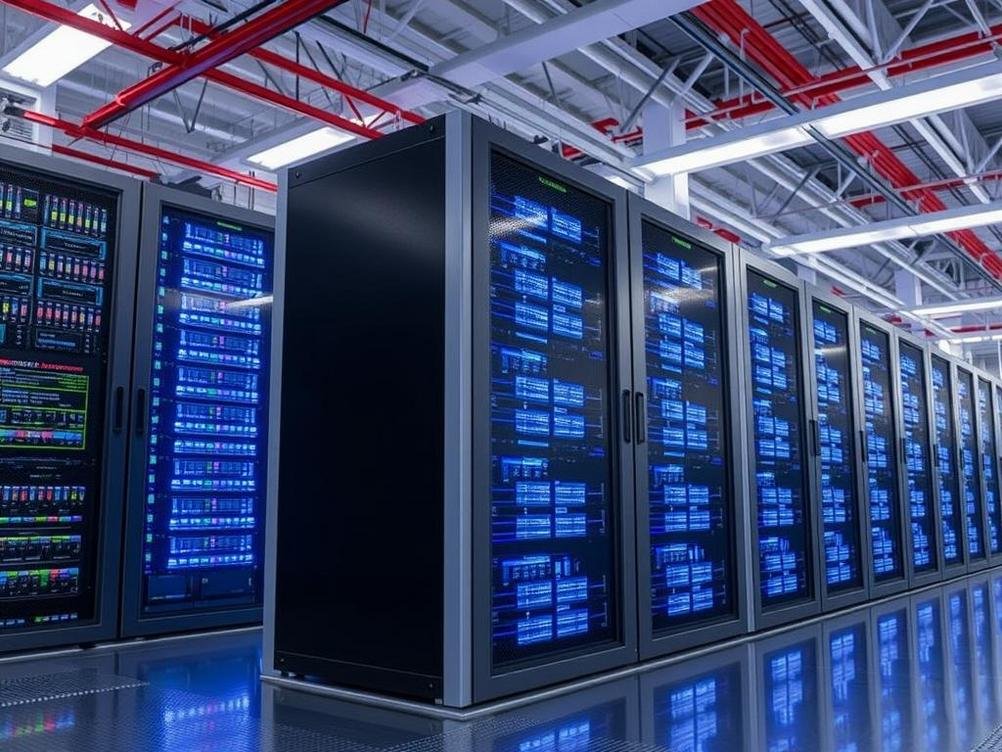
How AI is Shaking Up Meta’s Massive Data Center – And Why the Books Are Getting Messy
Imagine this: You’re scrolling through your feed, liking cat videos and arguing with strangers online, when suddenly you realize that the tech wizardry behind it all isn’t just about algorithms and servers—it’s also about some serious financial gymnastics. Yeah, that’s the wild world we’re diving into with Meta’s brand-new, gigantic data center. Picture a sprawling complex that could house a small city, powered by AI that’s supposed to make everything run smoother than a well-oiled social media algorithm. But here’s the hook: What’s the real cost of all this innovation? Is Meta playing it smart or stretching the rules with what’s being called ‘aggressive accounting’? If you’re like me, you might be thinking, ‘Wait, accounting? Isn’t that just boring spreadsheets?’ Well, stick around, because this story mixes cutting-edge tech with financial drama in a way that could impact how we all use the internet. We’re talking billions of dollars, AI breakthroughs, and maybe a few eyebrow-raising tactics that make you wonder if big tech is bending the rules or just being clever. In this post, we’ll unpack how AI is teaming up with Meta’s ambitious plans, why accounting practices are suddenly a hot topic, and what it means for the future of social media and beyond. It’s not every day you get to blend nerdy tech talk with finance fun, but trust me, it’s more exciting than it sounds—think of it as a blockbuster movie where AI is the hero and accounting is the unexpected plot twist.
What’s the Buzz with Meta’s New Data Center?
So, let’s start at the beginning: Meta’s new data center is no small potatoes. We’re talking about a massive facility that’s basically a fortress of servers, designed to handle the insane amount of data from billions of users on Facebook, Instagram, and WhatsApp. Built with the latest in AI tech, it’s meant to process information faster than you can say ‘double-tap.’ But why all the fuss? Well, for one, this thing is enormous—sprawling across acres of land, chomping through energy like it’s going out of style, and promising to supercharge AI applications that could change how we interact online. I remember when I first heard about it; I was like, ‘Okay, that’s cool, but how does it affect my daily scroll?’ Turns out, a lot. This data center isn’t just about storing memes; it’s about using AI to make personalized recommendations, detect fake news, and even optimize ad targeting. And let’s not forget the environmental angle—Meta’s touting it as a ‘green’ project, but we’ll get to that later.
Now, mix in the financial side, and things get interesting. Aggressive accounting? That’s basically corporate speak for pushing the boundaries on how companies report their expenses and revenues to make things look rosier than they might be. In Meta’s case, rumors are swirling that they’re capitalizing costs in ways that could minimize short-term hits to their bottom line. It’s like when you’re budgeting for a vacation and you fudge the numbers a bit to make it fit—except here, we’re dealing with billions. According to reports from tech analysts, this approach might help Meta invest more in AI without scaring off investors, but it raises questions about transparency. Think about it: If you’re a shareholder, you’d want to know if the company’s playing it straight or just cooking the books to keep stock prices up. Either way, it’s a bold move in an era where AI is eating up cash faster than a kid in a candy store.
To break it down simply, here’s a quick list of what makes this data center a big deal:
- It integrates advanced AI hardware, like NVIDIA’s latest chips, to handle machine learning tasks that could predict user behavior with spooky accuracy.
- The financial strategy involves deferring expenses, which might save Meta millions in the short term but could lead to scrutiny from regulators.
- It’s part of a larger trend where tech giants are pouring money into infrastructure to stay ahead in the AI arms race, much like how Amazon and Google are doing with their own setups.
Diving into AI Integration: The Tech Magic at Play
Alright, let’s geek out a bit. AI isn’t just a buzzword here; it’s the heart of Meta’s new data center. Imagine rows upon rows of servers crunching data in real-time, using machine learning to improve everything from content moderation to virtual reality experiences. Meta’s been pushing AI hard, especially with projects like their AI Research lab, and this data center is like their playground. It’s designed to handle petabytes of data, making processes faster and more efficient. But here’s where it gets fun—think about how AI could turn a simple photo upload into an instant masterpiece with auto-edits, or how it might flag misinformation before it spreads. It’s almost like having a super-smart assistant in the background, but on a global scale.
Of course, none of this comes cheap. Integrating AI means investing in specialized hardware and software, which ties back to that aggressive accounting. Meta’s probably writing off these costs in ways that spread the pain over years, allowing them to fund more R&D without immediate financial strain. It’s a smart play, but it reminds me of that time I tried to expense my coffee runs as ‘business meetings’—technically possible, but you gotta watch out for the auditors. In real terms, this could mean faster innovations for users, like better VR in the Metaverse, but it also highlights the risks if things go south. For instance, if AI integration hits snags, like overheating servers or data breaches, the financial fallout could be messy.
If you’re curious about the tech specifics, check out NVIDIA’s data center page for a deeper dive into the AI chips powering these operations. To sum it up in a list:
- AI algorithms that learn from user data to personalize feeds, cutting down on irrelevant content.
- Energy-efficient designs that aim to reduce the carbon footprint, though critics argue the accounting might gloss over true environmental costs.
- Potential for breakthroughs in areas like natural language processing, which could make chatbots on Messenger feel less robotic and more human.
Aggressive Accounting: Is It Genius or a Gamble?
Okay, let’s address the elephant in the room—aggressive accounting. What’s that all about? In simple terms, it’s when companies like Meta use accounting tricks to make their finances look better. They might capitalize expenses that others would write off immediately, or adjust valuations to boost assets. With this data center, Meta’s reportedly doing this to handle the upfront costs of AI tech without tanking their quarterly reports. It’s like putting a shiny filter on your Instagram post to hide the flaws. But is it ethical? Well, as long as it’s legal, it’s fair game, but it can raise red flags with investors and regulators who smell something fishy.
From what I’ve read in financial news, this isn’t uncommon in tech. Companies often bend the rules to fund innovation, especially in AI where the payoff might not come for years. Meta’s approach could be seen as bold, allowing them to pour more into AI research without scaring off shareholders. Still, it makes you wonder: If everyone’s doing it, does that make it okay? Take Enron as a cautionary tale—aggressive accounting led to their downfall. In Meta’s case, it’s probably not that extreme, but it’s a reminder that transparency matters. Plus, with AI’s rapid evolution, these financial strategies could either propel them to the top or leave them vulnerable to market shifts.
- Pros: Frees up capital for AI advancements, like improved algorithmic trading or user analytics.
- Cons: Risks regulatory scrutiny, as seen in past cases with companies like Uber facing fines for similar practices.
- Real-world example: Meta’s past dealings with the FTC over privacy could amplify concerns if accounting issues arise.
The Real Impact on Business and Innovation
When AI meets a beast like Meta’s data center, the ripple effects on business are huge. For starters, it could revolutionize how companies handle data, making operations more efficient and cost-effective. Think about small businesses using Meta’s platforms; with better AI, their ads could reach the right audience without wasting bucks. It’s like having a personal shopper for your marketing needs. But dig deeper, and you’ll see how this ties into broader innovation—AI-driven insights could lead to new products, like enhanced AR filters or even AI-assisted content creation.
Statistically, according to a 2024 report from Gartner, AI investments in data centers are expected to grow by 25% annually, with Meta leading the charge. That’s a game-changer, but it also means businesses need to adapt. If Meta’s accounting allows them to outpace competitors, it could set industry standards. On the flip side, if it leads to overextension, we might see cutbacks that affect users. It’s all about balance, really—like trying to juggle work and play without dropping the ball.
Challenges and Hilarious Fails in AI Implementation
No tech project is perfect, and Meta’s data center is no exception. Challenges abound, from potential AI biases that could skew content recommendations to the sheer energy demands that might not align with their ‘green’ promises. Then there’s the funny side—remember when AI went wrong and generated those weird, AI-created images that looked like fever dreams? Meta’s had its share of mishaps, like faulty facial recognition that misidentified users. It’s enough to make you chuckle, but it underscores the risks of rushing AI integration.
Adding humor to the mix, aggressive accounting might be Meta’s way of saying, ‘Hey, we’re innovating, not penny-pinching!’ But if audits reveal discrepancies, it could be like that time you forgot to pay a bill and got a nasty surprise. In all seriousness, overcoming these hurdles will require better oversight and ethical AI practices.
Future Predictions: What’s Next for AI in Big Tech?
Looking ahead, AI in data centers like Meta’s is only going to get bigger. We might see advancements in quantum computing integration or even AI that predicts global trends. It’s exciting, but with accounting in play, companies will need to tread carefully.
As we wrap up, it’s clear this is just the beginning of AI’s dominance.
Conclusion
In wrapping this up, Meta’s new data center is a fascinating blend of AI prowess and financial strategy that could redefine how we experience tech. We’ve seen the buzz, the integration, the accounting debates, and the potential pitfalls—it’s a reminder that innovation doesn’t happen in a vacuum. Whether you’re a tech enthusiast or just a casual user, keeping an eye on these developments is key. Who knows? This could spark a wave of positive changes, making our digital lives smarter and more efficient. So, next time you’re doom-scrolling, tip your hat to the AI behind it all and hope the accountants are playing fair. Let’s stay curious and push for tech that’s not only cutting-edge but also responsibly managed.