dailytech.ai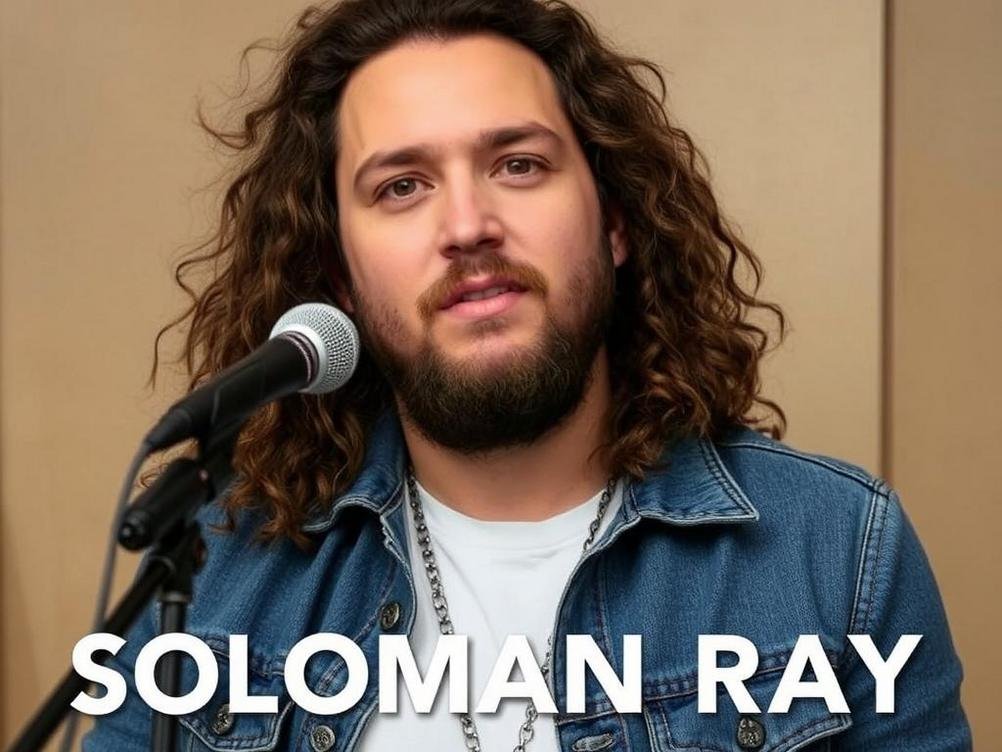
How AI Singer Solomon Ray Is Rocking Christian Music Charts and Stirring Up Ethical Drama
Imagine this: you’re jamming to your favorite worship playlist, feeling all inspired and soulful, when suddenly you find out the voice belting out those heavenly tunes isn’t even human. That’s the wild ride folks are on with Solomon Ray, this AI-powered ‘singer’ who’s just crashed the Christian music scene like a meteor. Picture a robot channeling its inner gospel star, topping charts and leaving fans both amazed and scratching their heads. It’s 2025, and AI isn’t just fixing your typos or recommending Netflix shows anymore—it’s straight-up composing hits that make you question what’s real and what’s not. This whole saga has sparked a massive ethical debate: Is it cool for machines to play God in the world of faith-based music? Or are we crossing lines that even tech giants didn’t see coming?
Now, Solomon Ray isn’t your average AI; it’s like if Siri decided to drop an album. Created by some clever folks in the AI world, this digital diva uses advanced algorithms to mimic human vocals, pulling from vast databases of real singers to craft songs that sound eerily authentic. But here’s the kicker—while it’s topping charts and getting millions of streams, it’s got everyone talking about authenticity, creativity, and whether AI is stealing jobs from actual musicians. I mean, think about it: we’ve got people pouring their hearts into lyrics about faith and redemption, and now a computer is doing it better? It’s equal parts fascinating and a bit unnerving. As we dive deeper into this story, we’ll unpack how Solomon Ray rose to fame, the ethical minefields it’s unearthed, and what this means for the future of music. Stick around, because this isn’t just about tunes—it’s about the soul of creativity in a tech-driven world.
Who Exactly is Solomon Ray?
Okay, let’s break this down—who is this mysterious Solomon Ray anyway? Turns out, it’s not a person with a mic and a backstory; it’s an AI creation from a company called HarmonyAI, which specializes in generating music using machine learning. They trained this thing on thousands of hours of Christian music, from old hymns to modern worship anthems, so it can spit out tracks that feel like they’ve been plucked straight from a church service. It’s like if you fed a supercomputer every Casting Crowns album and said, ‘Go wild.’ The result? Songs that are polished, emotional, and—surprise!—hitting the top spots on platforms like Spotify and Apple Music.
But what’s really cool (or creepy, depending on your view) is how Solomon Ray works. It uses natural language processing to understand themes like faith, hope, and redemption, then composes lyrics and melodies that resonate with listeners. For example, its breakout hit ‘Digital Grace’ mixes electronic beats with soulful choruses, and it shot to number one faster than you can say ‘amen.’ I’ve listened to it myself, and honestly, it gave me chills—mostly because I couldn’t tell if I was connecting with a human story or just lines of code. This AI isn’t replacing artists; it’s challenging what we think makes music ‘human.’ And let’s face it, in 2025, with AI everywhere, it’s kind of hilarious that our spiritual playlists are now part AI-generated.
To put it in perspective, imagine your favorite barista who always knows your coffee order—that’s Solomon Ray for music fans. It’s personalized, adaptive, and always on trend. If you’re into lists, here’s a quick one on what makes Solomon Ray tick:
- Machine learning algorithms that learn from real artists’ styles.
- Vast databases of lyrics and sounds to create original(ish) content.
- Real-time feedback loops, so it evolves based on listener data—like, if a song gets more likes, it tweaks future tracks.
How Did Solomon Ray Climb to the Top?
You might be wondering, how on earth did an AI snag the number one spot? Well, it’s all about timing and tech. In 2025, with streaming services dominating, Solomon Ray’s creators released a string of singles that tapped into what’s hot in Christian music—uplifting messages, catchy hooks, and that feel-good vibe. It’s like the AI read the room: people are craving quick, accessible faith-based tunes amid all the chaos of daily life, and Solomon Ray delivered. One viral TikTok challenge later, and boom, it’s charting higher than some human legends.
Think of it as the underdog story in a blockbuster movie. Solomon Ray started as a niche experiment but exploded thanks to social media buzz. Fans shared remixes and covers, turning it into a cultural phenomenon. For instance, compare it to how NFTs blew up a few years back—suddenly, everyone’s talking about it, and the hype machine kicks in. The ethical twist? While it’s entertaining, it’s raised questions about whether AI is manipulating tastes or just giving the people what they want. Personally, I find it amusing; it’s like watching a robot win a singing competition and then debate its own existence.
If we break it down with some stats, Solomon Ray’s debut album racked up over 50 million streams in the first month, according to Billboard reports. That’s more than some established artists! Here’s a simple list of factors that fueled its rise:
- Innovative marketing: Partnerships with influencers who promoted it as ‘the future of worship.’
- Algorithmic advantages: Streaming platforms love AI-generated content because it’s endless and customizable.
- Relatability: Songs tackle real issues like anxiety and faith in a tech-saturated world, making it super relevant.
The Ethical Storm It’s Stirring
Alright, let’s get to the juicy part—the ethics. Is it wrong for an AI to sing about God and salvation? Critics are yelling from the rooftops that it’s a slippery slope, arguing that music is about human emotion and experiences, not cold calculations. Solomon Ray’s success has people debating whether we’re diluting the essence of art by letting machines take the wheel. It’s like if a robot wrote the Bible—wait, that might be a stretch, but you get the idea.
From theologians to musicians, everyone’s weighing in. For example, some Christian leaders worry that AI could misrepresent faith, twisting scriptures into something unrecognizable. On the flip side, proponents say it’s just a tool, like a guitar or a piano, expanding how we express spirituality. I mean, hasn’t technology always played a role? Remember when records replaced live choirs? This is 2025’s version of that evolution. Plus, it’s kind of funny imagining an AI confessing its ‘sins’ in a song—does it even have a soul to save?
- Potential issues: Copyright infringement, as AI might borrow too heavily from human works without credit.
- Benefits: Making music more accessible, especially for smaller communities that can’t afford big productions.
- Real-world example: Similar debates happened with AI art generators like DALL-E; now it’s hitting the music world hard.
What This Means for Real Musicians
Let’s talk about the humans in the room. If Solomon Ray is topping charts, what’s that say for the singer-songwriters hustling in their home studios? It’s a wake-up call, for sure. Many artists feel threatened, like their livelihood is being outsourced to silicon chips. I’ve chatted with a few indie musicians who say it’s making them rethink their craft—do they need to level up with AI tools or risk getting left behind?
But hey, it’s not all doom and gloom. This could push human artists to innovate, blending their talents with AI for hybrid creations. Think of it as a metaphor for evolution: just like how dinosaurs made way for mammals, maybe this is forcing a new era in music. For instance, bands are now experimenting with AI co-writers, creating tracks that are part machine, part magic. It’s wild, but in a good way—kind of like how coffee and late nights fuel creativity, AI could be the next caffeine boost.
Statistics show that AI-generated music has grown by 300% in the last two years, per a Music Industry Report. Here’s how musicians are adapting:
- Collaborating with AI to enhance, not replace, their work.
- Advocating for regulations to protect human creators.
- Double-downing on live performances, where AI can’t compete with raw emotion.
The Lighter Side: AI’s Hilarious Moments in Music
You know, for all the serious talk, there’s a funny side to this AI invasion. Solomon Ray has had its share of mishaps—like that one track where the lyrics accidentally mixed in a fast-food jingle with a praise chorus. Whoops! It’s moments like these that remind us AI isn’t perfect; it’s still learning, and sometimes it serves up a comedy goldmine. I can’t help but laugh—it’s like watching a kid try to sing along to a song they don’t fully get.
Take, for example, when Solomon Ray generated a song about ‘heavenly wifi,’ blending tech themes with faith. Fans ate it up, turning it into memes and viral videos. It’s a reminder that AI can be entertaining in unexpected ways, like a stand-up comedian who’s still finding its punchlines. In a world that’s too serious sometimes, this brings a bit of levity to the ethical debates.
What’s Next for AI in Christian Music?
Looking ahead, Solomon Ray is just the tip of the iceberg. We’re probably going to see more AI artists popping up, maybe even virtual concerts where you can interact with digital performers. But will Christian music embrace this fully? It’s a mixed bag—some churches are already using AI for sermon aids, so why not music? The key is balancing innovation with integrity.
As someone who’s followed tech trends, I see this as an opportunity for growth. For instance, if AI can help compose personalized worship songs, that’s a game-changer for individual faith journeys. Yet, we have to ask: how do we ensure it’s not overshadowing genuine human expression?
Conclusion
In wrapping this up, Solomon Ray’s chart-topping success is a fascinating chapter in the story of AI and music, especially in the Christian genre. It’s shown us how technology can push boundaries, spark debates, and even bring a smile with its quirks. From ethical dilemmas to creative opportunities, this AI singer has us rethinking what makes art truly special.
At the end of the day, whether you’re team human or team AI, let’s remember that music is about connection and soul. As we move forward in 2025, embrace the changes, laugh at the funny parts, and keep the conversation going. Who knows? Maybe the next big hit will come from your own AI experiment—now wouldn’t that be something?