dailytech.ai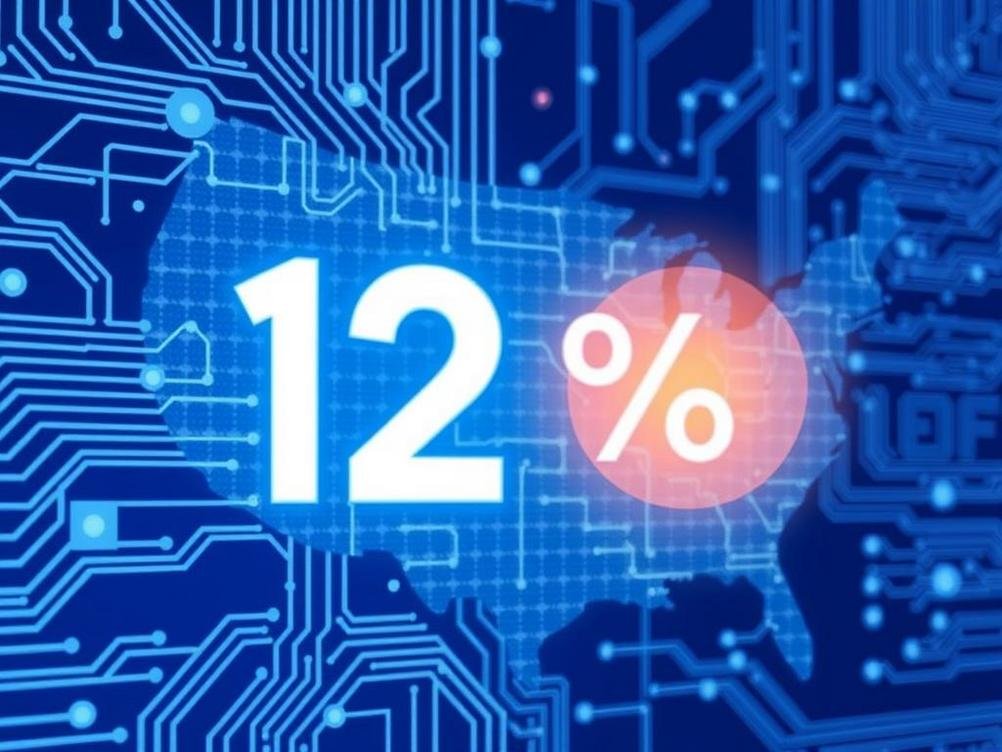
Is AI Already Snatching 12% of American Jobs? What MIT’s Latest Scoop Means for You
Imagine this: You’re sipping coffee at your desk, scrolling through the news, and bam—you read that AI could be gunning for your job. It’s not some sci-fi flick anymore; it’s real, and it’s hitting the headlines thanks to a bunch of brainy MIT researchers. They’re saying AI is already capable of handling the work of about 12% of America’s workforce. That’s a chunk of folks, right? We’re talking millions of people who might wake up one day and find their roles automated. But hold on, before you panic and start teaching your dog to code, let’s unpack this. I mean, AI has been creeping into our lives for years—from those chatty virtual assistants to self-driving cars—but this study drops a reality check. It makes you wonder, are we on the brink of a job apocalypse, or is this just another tech hype wave that’ll create more opportunities than it destroys? In this article, we’ll dive into the nitty-gritty of the MIT findings, explore which jobs are actually in the hot seat, and chat about how you can dodge the bullet or even ride this AI wave to something better. Stick around; it’s going to be a wild, insightful ride with a dash of humor to keep things light.
What the MIT Study Actually Uncovered
Okay, let’s cut to the chase—the MIT folks didn’t just pull this 12% figure out of a hat. They crunched some serious data, analyzing how AI tech stacks up against human jobs across various industries. Picture this as AI playing a game of “can I do that better than you?” and surprisingly, it’s winning in some arenas. The study, which you can check out on the MIT Economics website, looked at tasks that involve routine decisions, data processing, and even some creative stuff that machines are getting freakishly good at. It’s not all doom and gloom; the researchers are basically saying AI is ready to step in where humans are bogged down by repetitive stuff, freeing us up for more meaningful work. But hey, if you’re in a job that’s mostly clicking buttons or sorting spreadsheets, you might want to start brushing up on your soft skills.
What’s eye-opening is how this isn’t just about robots taking over factories—we’re talking white-collar gigs too. Think about it: AI tools like ChatGPT or advanced algorithms are already drafting reports, analyzing market trends, and even diagnosing medical images faster than a human could say “coffee break.” The study estimates that around 12% of U.S. jobs could be partially or fully automated with current tech, based on factors like wage levels and task complexity. That’s a stat that hits hard, especially in 2025 when AI’s everywhere. I mean, if AI can handle that much, it’s like having a tireless coworker who never calls in sick—but does that make you jealous or relieved? Either way, it’s a wake-up call to rethink how we work.
And here’s a fun twist: The researchers threw in some caveats. Not every job is equally at risk; it depends on how “automate-able” the tasks are. For instance, if your day involves a lot of human interaction, like being a therapist or a bartender, you’re probably safer. AI might crack jokes, but it can’t mix a mean cocktail with the same charm. This study isn’t predicting mass unemployment overnight—it’s more like a heads-up to adapt. Remember, tech revolutions have happened before, like when the internet flipped everything upside down, and we all survived (mostly).
Which Jobs Are in the AI Crosshairs?
Alright, let’s get specific—which jobs are sweating bullets right now? According to the MIT breakdown, roles in data entry, customer service, and even some transportation jobs are prime targets for AI takeover. Imagine a world where your friendly call center rep is actually a bot that’s programmed to sound super empathetic—weird, right? The study points out that lower-wage jobs, often involving routine tasks, make up a big chunk of that 12%. For example, warehouse workers assembling packages or truck drivers navigating routes could see AI chipping away at their duties with things like automated warehouses or self-driving trucks. It’s not that AI wants to steal your lunch; it’s just really good at the boring parts.
Then there’s the white-collar side—think paralegals reviewing documents or financial analysts crunching numbers. Tools like AI-powered software from companies such as IBM or Google can scan thousands of pages in seconds, spotting patterns we humans might miss after a long coffee-fueled slog. Here’s a list of jobs that might need to watch their backs:
- Administrative assistants: AI chatbots and virtual organizers are already handling scheduling and emails.
- Retail cashiers: Self-checkout systems and AI inventory managers are popping up everywhere.
- Basic manufacturing roles: Robots on assembly lines are faster and don’t take breaks.
- Entry-level data jobs: Spreadsheets and databases are AI’s playground now.
- Customer service reps: Automated chat support is handling inquiries 24/7.
That said, it’s not all bad—these jobs aren’t disappearing; they’re evolving. Just like how smartphones made flip phones obsolete, AI is pushing us to level up.
But let’s not forget the human element. Jobs that require creativity, emotional intelligence, or complex problem-solving are still AI’s weak spots. A surgeon needs steady hands and intuition that no machine can fully mimic yet, or a teacher who can inspire a classroom full of wiggling kids. It’s like AI is the ultimate sidekick, but it hasn’t earned the superhero cape just yet. If you’re in one of those at-risk jobs, think of this as a nudge to pivot—maybe learn some AI skills yourself to stay ahead.
The Flip Side: How AI is Creating New Opportunities
Okay, enough with the scare tactics—let’s talk about the good stuff. Every time tech disrupts jobs, it opens doors to new ones, and AI is no exception. The MIT study hints at this, suggesting that as AI takes over routine tasks, it frees up humans for more innovative, high-value work. Think about it: If AI can handle the grunt work, why not use that time to dream up the next big thing? For instance, graphic designers are now using AI tools like Adobe’s Sensei to speed up edits, letting them focus on the creative spark rather than pixel-pushing drudgery. It’s like having a magic wand that does the prep work so you can cast the real spells.
In fact, jobs in AI development, ethics, and maintenance are booming. We’re seeing a surge in demand for roles like AI trainers, data ethicists, and even prompt engineers who fine-tune AI models. According to recent reports from sources like the U.S. Bureau of Labor Statistics, tech-related fields are growing faster than ever. Here’s a quick list of emerging gigs that AI is indirectly creating:
- AI specialists: Folks who build and improve AI systems.
- Content creators for AI: Writing prompts or data that trains machine learning models.
- Human-AI collaboration roles: Like managers who oversee AI in healthcare or education.
- Ethical AI consultants: Ensuring tech doesn’t go rogue and bias our decisions.
- Retraining specialists: Helping workers transition to new skills.
It’s almost like AI is throwing a party and inviting us to join, but we have to bring our A-game.
Humor me for a second: Imagine AI as that over-enthusiastic intern who does all the filing so you can finally tackle that passion project. Sure, it might steal some spotlight, but it could also be your best buddy in the long run. By 2025, with AI integrated into everything from smart homes to businesses, the job market is reshaping into something more dynamic and exciting.
Real-World Examples of AI Shaking Things Up
To make this less abstract, let’s look at some real-world examples. Take Tesla’s Autopilot, for instance—it’s not just a fancy feature; it’s putting traditional drivers on notice. Delivery drivers and taxi folks are already feeling the pinch as companies like Waymo roll out fully autonomous vehicles. Or consider how healthcare is changing: AI algorithms from firms like Siemens Healthineers are analyzing X-rays faster than a doctor could, catching diseases early and potentially saving lives. It’s a double-edged sword—efficient, but what about the radiologists who relied on that job for their livelihood?
Another fun one is in marketing. Tools like Google’s AI-driven ads are optimizing campaigns in real-time, which means some entry-level ad analysts might find themselves out of a loop. But on the flip side, it’s creating space for creative marketers who can use AI to brainstorm wild ideas. I mean, who wouldn’t want an AI sidekick that suggests viral content at 2 a.m.? These examples show that AI isn’t just a threat; it’s a tool that’s already woven into the fabric of our daily lives, for better or worse.
And let’s not overlook the education sector. Platforms like Khan Academy are using AI to personalize learning, which could reduce the need for some tutoring roles but open up positions for AI curriculum designers. It’s like AI is the ultimate tutor that never gets tired, but humans still shine in mentoring and inspiring. These shifts are happening now, in 2025, and they’re a reminder that adaptation is key.
How to Future-Proof Your Career in an AI World
So, what’s a person to do? If AI’s gunning for 12% of jobs, how do you make sure you’re not in that group? First off, start by beefing up skills that machines can’t easily replicate—like emotional intelligence, creativity, and critical thinking. Enroll in online courses from platforms such as Coursera, which has AI-related programs that blend tech with human skills. It’s like arming yourself for a friendly robot invasion. Instead of fearing the change, think of it as an excuse to level up; maybe learn coding or data analysis to work alongside AI rather than against it.
Here’s a simple list to get you started:
- Upskill in high-demand areas: Focus on AI ethics, machine learning basics, or digital literacy.
- Network like crazy: Join AI communities on LinkedIn or attend webinars to stay in the loop.
- Experiment with AI tools: Play around with free versions of ChatGPT or Midjourney to see how they can enhance your work.
- Seek out hybrid roles: Look for jobs that combine human touch with AI, like AI-assisted design or content creation.
- Stay curious: Read up on the latest AI news from sites like MIT Technology Review.
Remember, the goal isn’t to outsmart AI—it’s to partner with it. Think of yourself as the captain of a ship with AI as the engine; you steer, it powers ahead.
Lastly, don’t forget the mental side. Change can be scary, but it’s also exhilarating. By 2025, companies are offering retraining programs left and right, so take advantage. It’s all about that growth mindset—turn potential threats into opportunities, and you might just end up with a career that’s more fulfilling than ever.
Debunking Common Myths About AI and Jobs
There’s a ton of misinformation floating around about AI stealing jobs, so let’s clear the air. One big myth is that AI will replace all human workers—nah, it’s more about augmentation than elimination. The MIT study shows AI complements skills, not erases them entirely. For example, while a robot might assemble cars, humans are still needed for quality control and innovation. It’s like saying calculators made mathematicians obsolete—spoiler: they didn’t.
Another myth? That only techies need to worry. Actually, every industry from healthcare to entertainment is affected, but that means everyone can benefit from learning a bit about AI. And let’s not buy into the idea that AI is infallible—it makes mistakes, like biased algorithms in hiring tools, which is why human oversight is crucial. In a nutshell, AI is a tool, not a replacement, and understanding it can make you indispensable.
Conclusion
Wrapping this up, the MIT study on AI handling 12% of America’s workforce is a wake-up call, but it’s not the end of the world—it’s more like a plot twist in the story of work. We’ve seen tech evolve before, and each time, it’s pushed us to adapt and thrive. From the jobs at risk to the exciting new opportunities, AI is reshaping our professional lives in ways that could make them richer and more meaningful. So, instead of fretting, let’s embrace it—learn, adapt, and maybe even laugh at the idea of robots trying to take over. By blending our uniquely human qualities with AI’s strengths, we can build a future that’s not just survivable, but downright awesome. What’s your next move? Dive in, and let’s make AI work for us.