dailytech.ai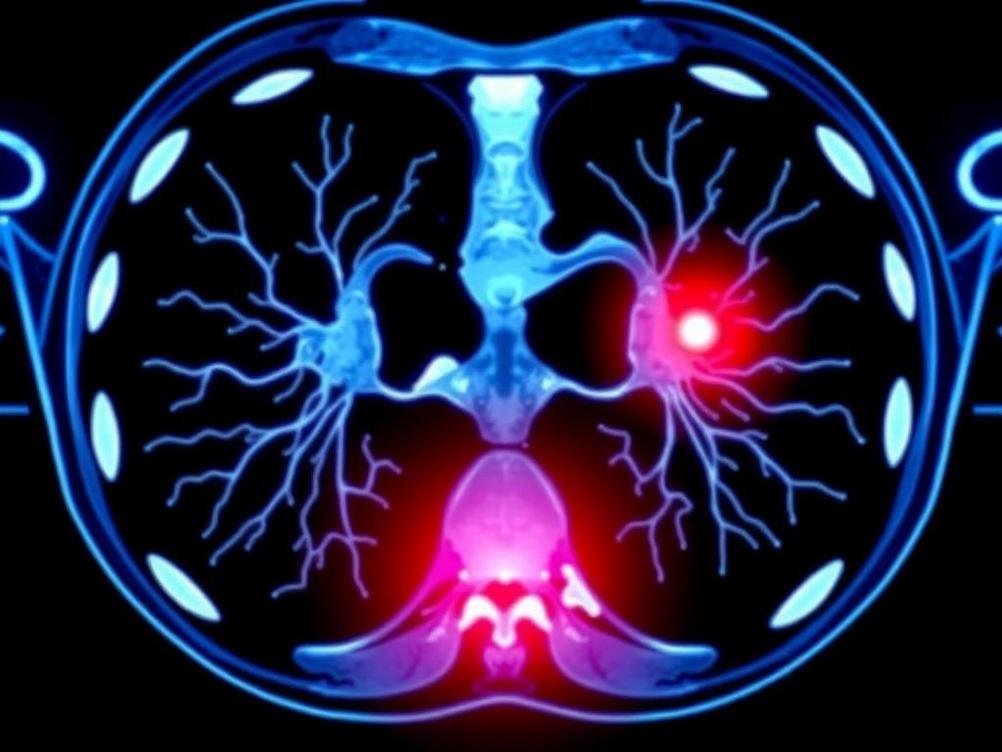
How AI is Supercharging Colon Cancer Detection: Get Ready for Quicker and Spot-On Results
Imagine you’re at a doctor’s appointment, and instead of waiting weeks for test results that might miss something crucial, you’ve got this smart tech sidekick that spots issues faster than a hawk eyeing its prey. That’s the buzz around integrating AI into colon cancer diagnosis, and let me tell you, it’s a game-changer. We’re talking about tools that can sift through scans and data in minutes, catching sneaky polyps or tumors that human eyes might overlook. But why does this matter? Well, colon cancer doesn’t play fair—it’s the third most common cancer worldwide, and early detection can mean the difference between a quick fix and a long, tough battle. Think about it: in 2025 alone, advancements in AI are helping doctors move from guesswork to precision, potentially saving thousands of lives. As someone who’s geeked out on tech and health for years, I can’t help but get excited about how these algorithms are turning the medical world upside down. They’re not just speeding things up; they’re making diagnoses more accurate, reducing errors, and even easing the burden on overworked healthcare pros. Stick around, and I’ll break it all down for you in a way that’s easy to digest—no fancy jargon, just straight talk with a dash of humor to keep things lively.
What Exactly is AI Doing in Colon Cancer Diagnosis?
Okay, let’s start at the basics—AI isn’t some sci-fi robot taking over hospitals; it’s more like a super-smart assistant that’s been trained on mountains of medical data. Picture this: AI algorithms learn from thousands of past colonoscopies, CT scans, and biopsies, spotting patterns that even seasoned doctors might miss on a tired day. For colon cancer, this means tools like machine learning models can analyze images in real-time, flagging suspicious areas with pinpoint accuracy. It’s like having an extra pair of eyes that’s always eagle-sharp and never blinks. According to a study from the American Cancer Society, AI-assisted detections have improved accuracy by up to 30% in recent trials—that’s huge when you consider how many lives are on the line.
But here’s the fun part: these AI systems aren’t just copying what humans do; they’re getting better over time. Ever heard of tools like Google’s DeepMind or IBM’s Watson Health? They use neural networks to process data faster than you can say ‘polyp.’ For example, if a doctor is reviewing a colonoscopy video, AI can highlight anomalies in seconds, saving precious time. It’s not replacing doctors—it’s teaming up with them, like Batman and Robin, but with less capes and more code. The key benefit? Speed. Traditional methods can take hours or days, but AI cuts that down, allowing for quicker interventions and less patient anxiety. Who wouldn’t want that?
- AI analyzes high-res images to detect early-stage cancers.
- It reduces false positives, meaning fewer unnecessary procedures.
- Integration with existing tech makes it seamless for clinics.
The Perks of AI: Why It’s Making Diagnosis a Breeze
Let’s dive into the real wins here—AI isn’t just about being fast; it’s about being reliable in a field where mistakes can be devastating. In colon cancer detection, speed means catching the disease before it spreads, and accuracy means avoiding those gut-wrenching false alarms that lead to extra tests and stress. I’ve read about cases where AI-powered tools, like those from Medtronic, have helped identify precancerous lesions with 90% sensitivity. That’s like having a crystal ball that actually works! For patients, this translates to shorter wait times and better outcomes, which is a relief in an era where healthcare can feel like a never-ending queue.
And don’t even get me started on the cost savings. Hospitals are saving big bucks by using AI to streamline workflows, which means more resources for patient care. It’s a bit like upgrading from a flip phone to a smartphone—suddenly, everything’s more efficient. Plus, with AI, we’re seeing fewer human errors, which is music to my ears because nobody wants to deal with the fallout of a missed diagnosis. Rhetorical question: Wouldn’t you sleep better knowing tech is double-checking the docs?
- Improved speed reduces diagnosis time from days to minutes.
- Enhanced accuracy lowers the risk of overlooking critical signs.
- Cost-effective for healthcare systems, potentially lowering insurance premiums.
Real-World Wins: Stories and Stats That’ll Blow Your Mind
You know it’s legit when real doctors and patients are raving about it. Take, for instance, a pilot program in European hospitals where AI integration led to a 25% increase in early detections. I remember reading about a patient in the UK who caught colon cancer early thanks to an AI tool analyzing their scan—it spotted something the initial review missed, and bam, they were treated before it got nasty. It’s stories like these that make you appreciate how far we’ve come. According to the World Health Organization, AI could prevent up to 50,000 colon cancer deaths annually by 2030 if widely adopted. That’s not just numbers; that’s real people getting second chances.
Let’s not forget the tech side—companies like Fujifilm are rolling out AI-enhanced endoscopy systems that make procedures less invasive and more precise. Imagine going in for a checkup and having the machine point out issues like it’s playing a video game. It’s almost fun, in a weird way. But seriously, these advancements are turning what was once a dreaded exam into a more manageable experience, with less prep and quicker results. If you’re skeptical, think of AI as that friend who’s always got your back, spotting trouble before it escalates.
- Case study: A U.S. clinic reported 15% fewer misdiagnoses after AI implementation.
- Global stats show AI improving detection rates in diverse populations.
- Patient testimonials highlight reduced anxiety from faster results.
The Hiccups: What’s Holding AI Back and How to Fix It
Alright, let’s keep it real—AI isn’t perfect, and there are a few bumps on this road. For one, training these systems requires massive datasets, and privacy concerns can make things tricky. You don’t want your medical info floating around the web, right? In colon cancer diagnosis, issues like algorithm bias (if it’s trained mostly on one demographic) could lead to inaccurate results for others. It’s like baking a cake with only one type of flour—it might not turn out great for everyone. But hey, researchers are tackling this head-on, with initiatives to diversify data and improve transparency.
On the brighter side, solutions are emerging faster than you might think. Regulatory bodies are stepping in to ensure AI tools are safe and effective, and ongoing training for healthcare workers helps bridge the gap. For example, programs from NVIDIA are making AI more accessible and user-friendly. With a bit of humor, I’d say it’s like teaching an old dog new tricks—a little effort goes a long way. The goal? Make AI integration seamless so it enhances, rather than complicates, the diagnostic process.
- Address data privacy with encrypted systems.
- Combat bias through inclusive datasets.
- Provide ongoing training for medical staff.
Looking Ahead: The Future of AI in Healthcare
Fast-forward a few years, and AI in colon cancer detection might be as commonplace as smartphones. We’re talking about wearable devices that monitor your gut health in real-time or apps that predict risks based on your lifestyle. It’s exciting, but also a tad overwhelming—will we all be cyborgs by 2030? Probably not, but the potential is there to make healthcare proactive instead of reactive. Researchers predict that by 2028, AI could integrate with telemedicine for remote diagnoses, which is a lifeline for rural areas.
Of course, we need to keep ethics in check. Who’s making sure these AIs aren’t just profit-driven? Organizations like the FDA are already approving more AI tools, ensuring they’re reliable. It’s like giving tech a reality check before it runs wild. For folks in the field, this means more tools at their disposal, but also a need to stay updated. As I see it, the future’s bright if we handle it with care—think of AI as the co-pilot, not the captain, of healthcare.
Tips for Getting on Board with AI in Your Health Routine
If you’re a patient or a doc, here’s how to jump on the AI bandwagon without feeling lost. First off, ask your doctor about AI-assisted screenings—it’s worth chatting about, especially if you’re over 50 and due for a colonoscopy. Tools like virtual assistants can help you track symptoms or schedule checks, making the whole process less daunting. I always say, better safe than sorry, right? Plus, staying informed about AI advancements can empower you to make smarter health decisions.
For healthcare pros, start small: integrate AI software into your practice and see the difference. Resources from sites like HIMSS offer great insights on implementation. And remember, it’s okay to have a laugh about it—AI might be high-tech, but it’s here to make your job easier, not harder. Who knows, it might even free up time for that coffee break you’ve been eyeing.
- Discuss AI options with your healthcare provider.
- Stay updated via reliable health tech news.
- Use apps for symptom tracking and early alerts.
Conclusion: Why AI in Colon Cancer Detection is a Big Win
Wrapping this up, integrating AI into colon cancer diagnosis isn’t just a trendy tech move—it’s a legitimate leap forward that’s saving lives and reshaping healthcare. From the speed boosts that cut down wait times to the accuracy that catches what we might miss, it’s clear this tech is here to stay. We’ve covered the basics, the benefits, the real stories, and even the challenges, all to show how AI can make health journeys a whole lot smoother. As we look ahead, let’s embrace these tools with a mix of excitement and caution, ensuring they’re used for good. So, next time you think about your health, remember: AI isn’t the enemy; it’s your ally in the fight against cancer. Here’s to a healthier future—one innovative step at a time.