dailytech.ai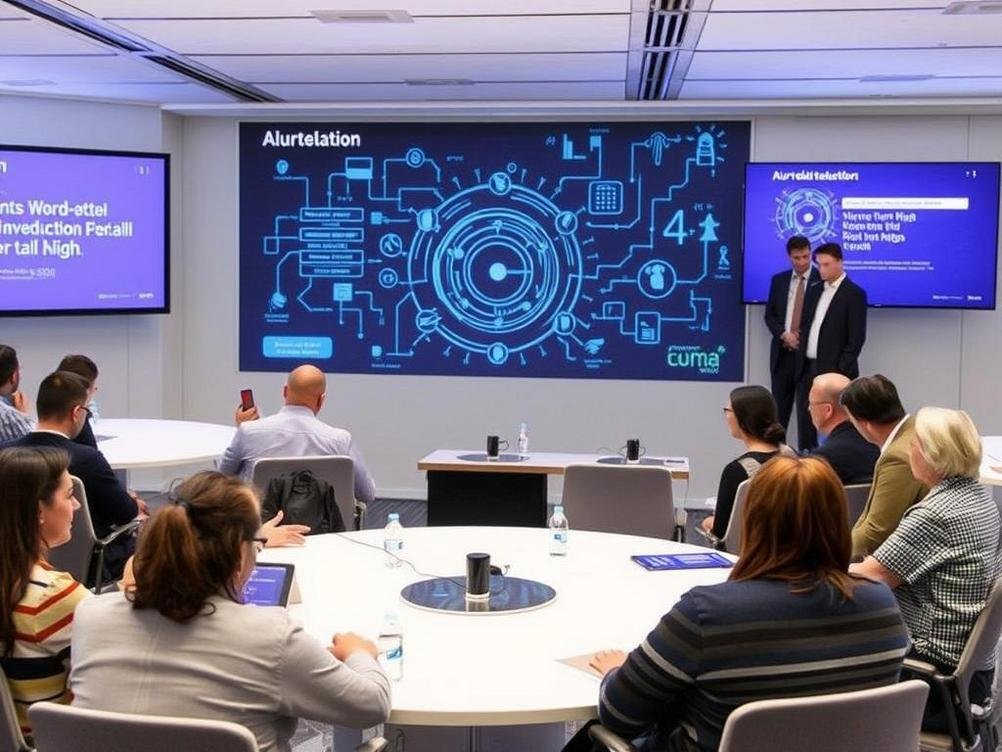
How AI is Supercharging Solutions to the World’s Toughest Problems – Straight from Poland’s Research Event
Imagine walking into a room buzzing with tech geeks, coffee cups everywhere, and talks about how robots and algorithms are basically saving the planet – that’s exactly what went down at the Research@ Poland event. I mean, who knew that AI could go from being that creepy thing in sci-fi movies to actually helping us tackle stuff like climate change, healthcare messes, and even making education less of a headache? If you’re like me, always a bit skeptical about all the hype, you might be thinking, “Is AI really the hero we need, or just another overhyped gadget?” Well, from what I gathered, this event spilled the beans on some real, down-to-earth ways AI is stepping up. They shared stories, data, and even a few laughs about how it’s not just about fancy code; it’s about making life better. Picture scientists and innovators chatting over Polish pierogi, tossing around ideas that could change how we handle global challenges. It got me thinking – we’re not talking pie-in-the-sky stuff here; we’re diving into practical wins that AI is delivering right now. From cutting down on pollution to personalizing medical treatments, the event highlighted how AI isn’t just a buzzword; it’s a game-changer that’s already in action. And hey, if you’re curious about diving deeper, events like these show us that innovation doesn’t have to be all serious – it can be exciting, relatable, and full of that ‘wow’ factor. Stick around as I break it all down, sharing the highlights in a way that feels like we’re just chatting over coffee.
The Lowdown on Research@ Poland: What Got Everyone Excited
You know how some events feel like a snoozefest with slides and stats? Well, Research@ Poland was the opposite – it was like a lively debate at a family dinner, but with AI as the main course. The folks there dished out stories about how AI is helping solve big-ticket issues, from environmental woes to social inequalities. I remember one speaker kicking things off by saying, “AI isn’t just crunching numbers; it’s like having a smart sidekick that never sleeps.” They shared examples of AI models analyzing massive data sets to predict natural disasters, which could save lives and resources. It’s pretty wild when you think about it – we’re talking tools that learn from patterns in real time, making decisions faster than you can say “eureka.”
One cool bit was how they highlighted partnerships between Polish researchers and global teams. For instance, they talked about AI applications in agriculture, like optimizing crop yields with predictive analytics. Imagine a farmer using an app that says, “Hey, rain’s coming, adjust your irrigation!” It’s not just tech for tech’s sake; it’s about real people benefiting. And to keep it fun, there were interactive demos where attendees got to play with AI prototypes – think of it as a tech playground for adults. Overall, the event made it clear that AI’s biggest strength is collaboration, pulling in experts from various fields to tackle problems that no one person could handle alone.
To give you a quick list of what stood out:
- Keynote sessions on AI’s role in sustainability, with stats showing a 20% reduction in energy use in some pilot projects.
- Breakout groups discussing ethical AI, emphasizing the need for diverse teams to avoid biases – because, let’s face it, no one wants AI that’s as fair as a coin flip.
- Networking opportunities that felt more like casual hangouts, where ideas sparked over snacks.
AI Tackling Climate Chaos: From Talk to Action
Okay, let’s get real – climate change is like that uninvited guest at a party who wrecks everything, but AI is stepping in as the bouncer. At the event, experts shared how AI is crunching massive amounts of environmental data to predict and mitigate disasters. It’s not just about fancy algorithms; think of it as AI being the detective that spots patterns in weather data before things go south. For example, they discussed projects where AI analyzes satellite images to track deforestation, helping governments respond faster. One stat that stuck with me: AI-driven models have helped reduce carbon emissions by up to 15% in some urban areas, according to studies from organizations like the World Resources Institute.
What makes this so relatable is how AI turns complex problems into manageable bites. Say you’re dealing with rising sea levels; AI can simulate scenarios and suggest solutions, like better flood barriers or reforestation efforts. It’s like having a crystal ball that’s backed by science. And here’s a metaphor for you: AI is the ultimate weather forecaster, but instead of just telling you to carry an umbrella, it helps design cities that don’t flood in the first place. The event even touched on fun applications, like AI-powered apps that gamify recycling, making it less of a chore and more like a points-based adventure game.
If you’re into specifics, check out tools like Google Earth Engine (earthengine.google.com), which was mentioned as a prime example. They walked through how it uses AI to monitor ecosystems, proving that tech giants are in on the action too. All in all, it’s inspiring to see AI not just as a tool, but as a partner in fighting the big environmental battles.
Health Wins with AI: Making Medicine Smarter, Not Harder
Health challenges can feel overwhelming, right? Like, who hasn’t worried about catching the latest bug or dealing with chronic conditions? At Research@ Poland, the talk shifted to how AI is revolutionizing healthcare, turning it from a maze of guesswork into something more precise and personal. Speakers shared stories of AI algorithms diagnosing diseases early, sometimes even spotting issues that doctors might miss. It’s like having a second pair of eyes that never blinks, sifting through medical data at lightning speed.
One highlight was AI in predictive medicine – imagine software that analyzes your wearable device data to flag potential heart problems before they escalate. They threw out numbers like how AI has improved cancer detection rates by 20-30% in some trials, drawing from sources like the American Cancer Society. And to keep it light, one presenter joked, “AI doesn’t get tired or grump awareness like us humans, so it’s basically the perfect intern.” Plus, with telemedicine on the rise, AI chatbots are handling routine queries, freeing up real doctors for the tough stuff.
- AI tools for personalized treatment plans, adapting to individual genetics like a custom-tailored suit.
- Examples from real-world apps, such as IBM Watson Health (ibm.com/watson-health), which uses AI for drug discovery.
- The human side: Ensuring AI doesn’t replace empathy, but enhances it by handling the data-heavy tasks.
AI in Education: Leveling the Playing Field with a Twist of Fun
Education’s always been a bit of a rollercoaster, hasn’t it? Some days you’re acing tests, others you’re lost in the sauce. The event dove into how AI is making learning more accessible and engaging, especially for folks in remote areas. Think adaptive learning platforms that adjust to your pace, like a patient tutor who never loses their cool. They shared anecdotes of AI helping students in Poland bridge gaps in rural education, using tools that translate lessons in real-time or offer personalized feedback.
It’s not all serious; there was plenty of humor about AI turning boring lectures into interactive adventures. For instance, AI-powered apps that turn history lessons into virtual reality tours – who wouldn’t want to ‘walk’ through ancient Rome? Stats from UNESCO show that AI-enhanced education has boosted literacy rates in developing regions by significant margins, proving it’s more than just a gimmick. And let’s not forget the ethical angle – ensuring AI doesn’t widen inequalities by making education tools available to everyone.
The Flip Side: AI’s Challenges and How We’re Handling Them
Look, AI isn’t all sunshine and rainbows; it has its quirks, like any tech. At the event, there was open talk about pitfalls, such as data privacy risks and potential job losses. It’s like inviting a wild card into the game – exciting, but you’ve got to play smart. Presenters emphasized the need for robust regulations, with examples of EU guidelines that are shaping AI ethics in Poland and beyond.
To balance things, they discussed ways to mitigate these issues, like building diverse data sets to avoid biases. It’s a bit like teaching a kid manners before sending them out into the world. One funny moment was when someone quipped, “AI might take jobs, but it could also create new ones, like ‘AI whisperers’ who keep the machines in check.”
Wrapping It Up: AI’s Future Looks Bright, But It’s Up to Us
Conclusion
As we wrap up this dive into the Research@ Poland event, it’s clear that AI isn’t just a fleeting trend; it’s a powerful force reshaping how we face big challenges. From environmental breakthroughs to healthcare innovations, the stories shared remind us that with a bit of creativity and caution, AI can be a true ally. It’s inspiring to think about the possibilities ahead – imagine a world where AI helps us not only solve problems but also sparks joy and equality. So, if you’re tinkering with AI in your own way, keep pushing forward, because events like this show we’re all in this together. Who knows? Your next idea could be the one that changes everything.