dailytech.ai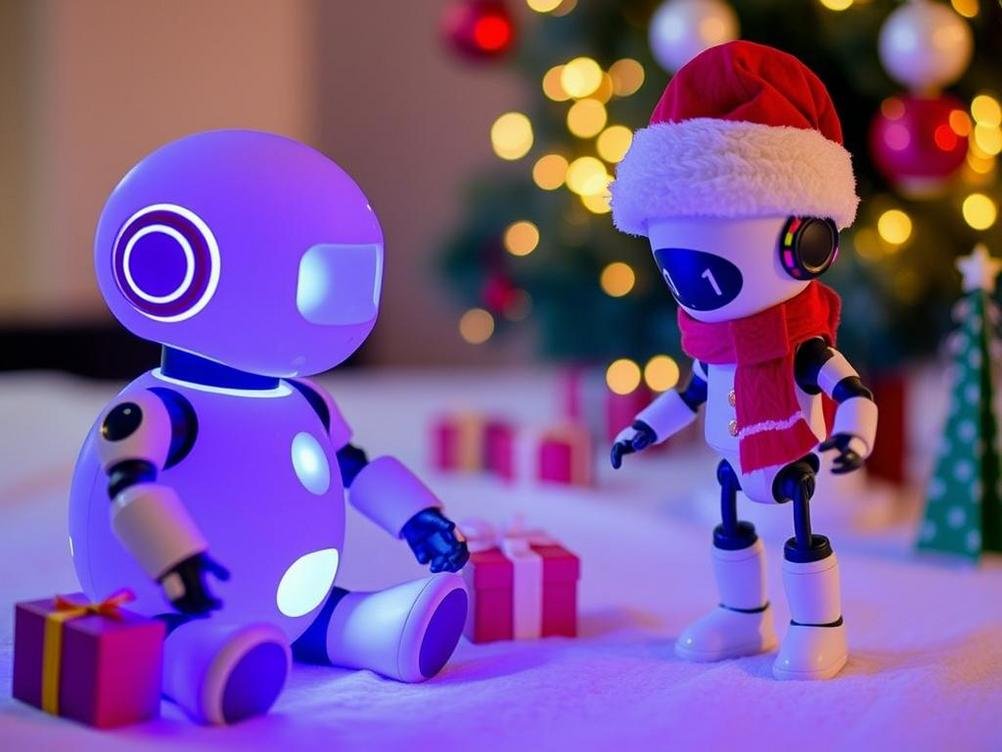
Why AI Toys Might Spoil Your Holiday Fun – A Warning from the Pros
Oh, man, here we are again, staring down the barrel of another holiday season. You know the drill: lights twinkling, cookies baking, and stores overflowing with the latest gadgets that promise to make your kid’s life magical. But wait a second—before you toss that shiny AI-powered robot into your shopping cart, let me hit you with some real talk from consumer and child advocacy groups. They’re not just raining on the parade for fun; they’re dropping warnings like it’s hot because these high-tech toys could turn your festive vibes into a headache faster than you can say ‘battery low.’ Imagine gifting your little one what looks like the coolest companion ever, only to find out it’s spying on your family or glitching out in ways that make you question if Skynet is already here. It’s not all doom and gloom, though—this stuff is worth chatting about because as parents, tech lovers, or just plain curious folks, we need to weigh the fun against the risks. Think about it: AI toys are everywhere now, from chatty dolls that ‘learn’ your child’s preferences to drones that follow them around like a loyal pet. But advocacy groups like the Electronic Privacy Information Center (EPIC) and the Campaign for a Commercial-Free Childhood are sounding alarms, pointing out privacy breaches, safety issues, and even psychological impacts that could sneak up on us. In this article, we’ll dive into why these groups are getting vocal ahead of the holidays, share some eye-opening stories, and help you navigate smarter choices so your celebrations stay joyful and stress-free. After all, who wants Santa’s gifts to come with a side of regret?
What Exactly Are AI Toys and Why Are People Freaking Out?
You might be wondering, what’s the big deal with AI toys? Well, these aren’t your grandma’s wind-up toys; we’re talking about stuff like smart dolls that chat back, robots that play games, or even stuffed animals that use voice recognition to tell stories. It’s like having a mini AI buddy straight out of a sci-fi flick, but that’s where the excitement meets the eyebrow-raise. Advocacy groups are flipping out because these toys often collect data—think voice recordings, location info, and personal habits—without much transparency. It’s creepy, right? I mean, who wants Big Tech eavesdropping on bedtime stories or family secrets?
Now, let’s not pretend this is all bad. AI toys can be super engaging, helping kids learn new skills or just providing endless entertainment. But here’s the kicker: the same tech that makes them fun can also lead to major privacy snafus. For instance, a toy might connect to the internet to ‘update’ itself, but that could mean your data ends up in some company’s database. It’s like inviting a stranger to dinner and handing them your diary. Groups like the Federal Trade Commission (FTC) have even cracked down on companies for deceptive practices, as seen in their 2023 report on kids’ apps and toys. So, while we’re all for innovation, it’s smart to ask: Is this toy worth the potential headache?
- Common types of AI toys: Voice-activated dolls, AI learning robots, and interactive drones.
- Why the fuss: Data collection risks, security vulnerabilities, and unintended behavioral influences.
- Fun fact: Did you know some toys have been recalled for hacking risks? Yeah, that’s a thing—check out the FTC’s website for past cases.
The Real Risks: Privacy Nightmares and More
Dive a little deeper, and you’ll see why advocacy groups aren’t messing around. Privacy is the biggie here—many AI toys are basically data vacuums, sucking up info on your child’s play habits, speech patterns, and even their room’s layout if it’s got cameras or sensors. It’s like having a spy in the playroom, and that’s not cool for anyone. Consumer Reports and similar orgs have highlighted how this data could be sold or hacked, leading to identity theft or targeted ads that follow your kid around forever. Imagine your five-year-old getting bombarded with toy ads based on what they whispered to their doll—sounds dystopian, doesn’t it?
But it’s not just privacy; there are safety concerns too. Some toys might malfunction, like overheating batteries or exposing kids to inappropriate content through AI chats. I’ve heard stories of toys that accidentally spew out weird responses because of poor programming—think of it as your kid’s toy turning into a stand-up comedian with a dark sense of humor. And let’s not forget the psychological side; over-reliance on AI pals could make real human interactions feel blah. It’s like comparing a video game to actual outdoor play—sure, it’s fun, but is it helping in the long run? Groups like the American Psychological Association have touched on this in their studies, linking excessive screen time to attention issues.
- Key risks: Data breaches, exposure to cyber threats, and potential for creepy interactions.
- Statistics to chew on: A 2024 survey by EPIC found that 60% of smart toys had vulnerabilities that could be exploited.
- Real-world metaphor: It’s like giving your kid a phone that calls home to marketers every time they play.
What Advocacy Groups Are Shouting From the Rooftops
Alright, let’s give credit where it’s due—these consumer and child advocacy groups aren’t just stirring the pot; they’re backed by solid research. Ahead of the holidays, outfits like the Consumer Federation of America and the Toy Industry Association of America have ramped up their warnings, urging parents to read the fine print on AI toys. They’re pushing for better regulations, like mandatory privacy labels or age-appropriate designs, because let’s face it, not every toy is suitable for every kid. It’s like they’re the guardians at the gate, saying, ‘Hold up, folks, make sure this gift doesn’t bite back.’
One big push is for parents to demand transparency from manufacturers. For example, the Campaign for a Commercial-Free Childhood has been vocal about toys that track kids without clear consent, even launching petitions to get companies to clean up their act. Remember that big scandal with a certain doll company a couple years back? They had to pull products off shelves after it was revealed the toys were recording conversations. It’s stuff like that that keeps these groups up at night, and honestly, it should us too. They’re not anti-tech; they’re pro-smart choices, especially when it comes to our littles ones.
- Top demands: Stronger data protection laws and independent audits for AI toys.
- Recent actions: In 2025, the FTC fined a major toy maker for privacy violations—details are on their site if you’re curious.
- Why it matters: Protecting kids’ data isn’t just about now; it’s about their future online safety.
Real Stories: When AI Toys Went Sideways
Okay, let’s get to the juicy part—actual examples that make you go, ‘Whoa, that could’ve been me.’ There was that infamous case a few years ago with a popular AI doll that started giving out unsolicited advice, including stuff that was way too adult for kids. Parents freaked out, and it made headlines everywhere. Or take the drone toys that malfunctioned and flew into walls, scaring the daylights out of families. It’s hilarious in a dark way, like when your smart home device decides to play heavy metal at 3 a.m. But seriously, these stories underscore why advocacy groups are waving red flags.
Another one: A family I read about on a parenting forum had an AI pet toy that recorded their conversations and sent them to the cloud, where they were accidentally shared online. Yikes! It’s a stark reminder that even well-intentioned tech can backfire. These anecdotes aren’t rare; they’re popping up more as AI gets cheaper and more widespread. If you’re shopping this holiday, it’s worth doing a quick search on forums or sites like Consumer Reports to see what other parents are saying.
- Story one: The doll that overshared—led to a class-action lawsuit in 2024.
- Story two: Hacked robots that played pranks gone wrong.
- Lesson learned: Always check reviews and user experiences before buying.
How to Spot a Safe AI Toy (And Avoid the Duds)
So, you’re not ready to swear off AI toys entirely—smart move, because not all of them are villains. The key is knowing how to pick the good ones. Start by looking for toys with strong privacy certifications, like those compliant with COPPA (the Children’s Online Privacy Protection Act). It’s like giving your purchase a background check before it enters your home. Advocacy groups recommend checking for features like parental controls, data deletion options, and clear privacy policies. If the toy’s description sounds vague or evasive, that’s a red flag bigger than your holiday tree.
Humor me for a sec: Think of safe AI toys as the reliable old dog in the park—they’re fun, loyal, and don’t bite unless provoked. For example, brands like Anki (before they shut down, but similar ones exist) focused on secure, educational AI. Do your homework: Read labels, test the toy in-store if possible, and even ask the manufacturer directly via email. It’s a bit of extra work, but hey, it’s better than dealing with surprises later. Sites like Common Sense Media offer reviews that break down the pros and cons, complete with age recommendations.
- Top tips: Look for encryption, opt-out features, and independent safety ratings.
- Resources: Check out commonsensemedia.org for unbiased toy reviews.
- Pro tip: If it requires a lot of personal data to set up, think twice.
Tips for Smarter Holiday Shopping with AI in Mind
The holidays are chaotic enough without tech mishaps, so let’s make this simple. First off, stick to a budget and prioritize non-AI toys if you’re unsure—classic board games or books never go out of style and won’t spy on you. If you do go for AI options, shop from reputable brands that have a track record of safety. Advocacy groups suggest making a checklist: Does the toy have a privacy policy you can understand? Can you easily turn off connectivity? It’s like preparing for a road trip—you want to avoid breakdowns midway.
And don’t forget to involve the kids in the decision, but in an age-appropriate way. Ask what they really want and explain why certain toys might not be the best pick. It’s a teachable moment, turning shopping into a lesson on digital literacy. Plus, there are plenty of hybrid options, like AI toys that work offline most of the time. Remember, the goal is balance—tech can enhance play, but it shouldn’t dominate it. For more ideas, swing by sites like the FTC’s consumer education page.
- Step one: Research brands with good reviews.
- Step two: Test for privacy settings before purchase.
- Step three: Opt for toys that encourage creativity over constant interaction.
Conclusion: Wrapping Up with a Positive Spin
As we wrap things up, it’s clear that AI toys aren’t going anywhere—they’re part of this wild tech wave we’re riding. But with a little caution, inspired by those advocacy groups’ warnings, we can make the holidays brighter without the baggage. Remember, it’s not about fear-mongering; it’s about being informed parents and consumers who put safety first. By choosing wisely, we’re not just protecting our kids’ privacy; we’re setting them up to enjoy tech in a healthy way.
So, as you hit the stores or scroll online this season, take a beat to think it through. Who knows, maybe this will spark some family chats about the future of AI—could be the start of something great. Let’s keep the holidays fun, secure, and full of genuine laughs, not unintended glitches. After all, the best gifts are the ones that bring people together, AI or not.