dailytech.ai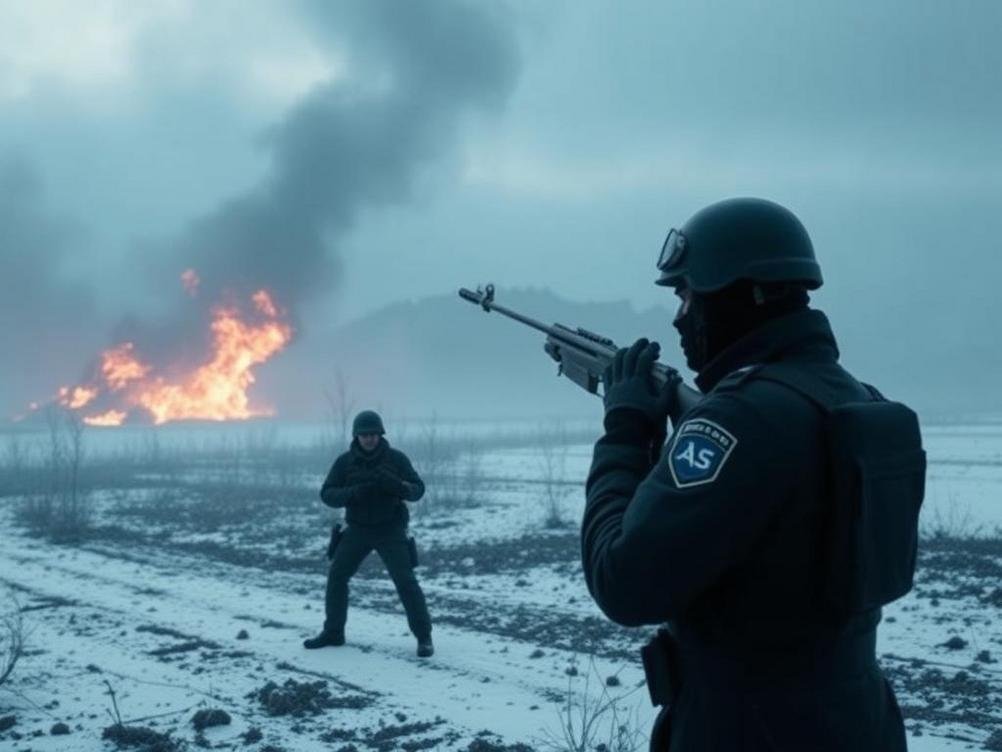
How AI’s Ultrarealistic Videos Are Warping the Ukraine-Russia Conflict – And Why It Matters
Imagine scrolling through your social feed one evening, and you stumble upon a video that looks straight out of a Hollywood blockbuster – soldiers dodging explosions in some war-torn landscape, faces etched with raw fear, and everything so vivid it could almost be live footage. But here’s the twist: it’s not real. It’s an AI-generated clip aimed at showing Ukrainian soldiers in dire straits amid the ongoing conflict with Russia. Yeah, we’re talking about those ultrarealistic AI videos that are popping up everywhere these days, and it’s got me thinking about how technology is playing puppet master in global events. I mean, we’ve all seen how fake news spreads like wildfire, but when AI makes it look this authentic, it’s like trying to spot a deepfake in a room full of mirrors. As the Russia-Ukraine war drags on into its fourth year, these videos aren’t just harmless digital doodles; they’re shaping opinions, fueling debates, and even potentially influencing real-world actions. It’s wild, right? We’re living in an era where a few lines of code can mimic reality so closely that it blurs the line between fact and fiction, making us question everything from news reports to that viral clip your aunt shared. This isn’t just about tech geekery – it’s about how AI is sneakily inserting itself into one of the most intense geopolitical showdowns of our time, and honestly, it’s both fascinating and a bit terrifying. Stick around as we dive into the nitty-gritty of how these videos work, their impact, and what it all means for us in 2025.
The Rise of AI in Modern Warfare Propaganda
Okay, let’s kick things off with how AI has weaseled its way into the propaganda machine. It’s no secret that wars have always been fought on two fronts: the battlefield and the airwaves. But now, with AI tools cranking out videos that look more real than your favorite Netflix drama, it’s like propaganda just leveled up to boss mode. Think about it – back in the day, you’d see grainy photos or edited clips, but today? We’re dealing with stuff that could fool your grandma into believing it’s straight from the front lines. These ultrarealistic videos portraying Ukrainian soldiers in peril are basically digital soldiers in their own right, battling for hearts and minds online.
What’s driving this? Well, for starters, advancements in AI like generative models from companies such as OpenAI or even open-source tools like Stable Diffusion have made it ridiculously easy to create hyper-real content. You can generate a video of a soldier evading drones in minutes, and it looks so convincing that you’d swear it was filmed on the ground. I’ve seen stats from reports by the Brookings Institution that show a 300% increase in deepfake videos related to conflicts since 2023, and that’s just the tip of the iceberg. It’s not all bad, though; some folks are using AI to highlight the human cost of war in a way that traditional media can’t. But, hey, it’s a double-edged sword – while it raises awareness, it can also spread misinformation faster than a rumor at a family reunion.
Take a real-world example: Earlier this year, a video circulated showing Ukrainian troops in a supposed ambush, which turned out to be AI-generated. It went viral on platforms like X (formerly Twitter) and Telegram, racking up millions of views before being debunked. If you’re into this stuff, check out Bellingcat, a site that’s all about digging into digital deceptions. They’ve got some eye-opening stories on how AI is twisting narratives in conflicts. The point is, as the war with Russia drags on, these videos are becoming a go-to tool for all sides, making it harder to tell what’s genuine and what’s not. It’s like playing a never-ending game of ‘spot the fake,’ and honestly, I’m not sure we’re winning.
How These Ultrarealistic Videos Are Actually Made
Alright, let’s geek out a bit on the tech side – because who doesn’t love a behind-the-scenes look? Creating these AI videos isn’t as magical as it seems; it’s more like a mix of fancy algorithms and a dash of creativity. At its core, tools like those from RunwayML or even freebies like DALL-E use something called generative adversarial networks (GANs) to spit out content that mimics reality. Picture two AI programs duking it out: one creates the video, and the other critiques it until it’s practically indistinguishable from the real deal. For the Ukraine-Russia saga, folks are feeding in prompts like ‘Ukrainian soldier under fire’ and bam – out comes a clip that looks like it was shot with a high-end camera.
But here’s where it gets interesting (and a little funny). You need a ton of data to train these models, which means scraping images and videos from actual war footage. It’s like teaching a kid to draw by showing them a million pictures – eventually, they get pretty good, but they might also pick up some bad habits. According to a 2024 report from the AI Now Institute, over 70% of these AI-generated war videos use publicly available media, which raises all sorts of ethical questions. Imagine if your vacation photos ended up in a fake war video; it’d be hilarious if it weren’t so creepy. The process involves layering audio, syncing lip movements, and adding effects to make it feel immersive, which is why these clips can go viral so quickly.
- First, you gather datasets from sources like news archives or social media.
- Next, train the AI model with specific parameters to focus on realistic human expressions and environmental details.
- Finally, refine the output using tools for editing, ensuring it passes the ‘too real to be fake’ test.
It’s this accessibility that’s making AI videos a staple in portraying conflicts. Anyone with a laptop can whip one up, which is both empowering and, let’s face it, a recipe for chaos in places like Ukraine.
The Real Impact on Public Opinion and Morale
Now, let’s talk about how these videos are messing with our heads. In a war that’s been grinding on for years, AI-generated content isn’t just entertainment; it’s a psychological weapon. These ultrarealistic portrayals of Ukrainian soldiers in peril can swing public sentiment faster than a pendulum on caffeine. One day, you’re seeing clips that make you feel for the underdog, and the next, they’re used to demonize one side or the other. I’ve read analyses from groups like the International Crisis Group that point out how such videos can erode trust in media, making people skeptical of everything – even legitimate reports.
For instance, if you’re in Europe or the US, seeing a video of soldiers in a foxhole might tug at your heartstrings and push you to support aid packages. But if it’s fake, it could backfire, leading to outrage when the truth comes out. Statistics from a Pew Research survey in 2025 show that 65% of people are now wary of online videos related to global conflicts, up from 40% just two years ago. It’s like crying wolf too many times – eventually, no one believes the real threats. And don’t even get me started on how this affects soldiers on the ground; morale can tank if their families see fabricated peril.
- They amplify emotions, making distant wars feel immediate and personal.
- They can influence policy, as governments react to public pressure from viral content.
- Yet, they risk desensitizing audiences, turning real tragedies into just another scroll-by moment.
Ethical Minefields: The Dark Side of AI in Conflicts
We’re diving into the murkier waters now. Using AI to depict soldiers in danger isn’t just about cool tech; it’s a ethical nightmare waiting to happen. Think about it – we’re talking about manipulating images of real people in real danger, which feels a lot like playing God with other folks’ lives. Organizations like Amnesty International have been vocal about how these videos can violate human rights by spreading false narratives that incite violence or hatred. It’s one thing to use AI for fun stuff, like creating cat videos, but weaponizing it in a war? That’s a whole different ballgame.
From a humorous angle, it’s like that time your friend Photoshopped themselves into a movie poster – harmless fun until it starts affecting real-world events. In the Ukraine context, these videos could escalate tensions by misrepresenting actions on the ground. A metaphor I like is comparing it to a hall of mirrors at a fair; everything looks real, but it’s all distorted, and you might walk away with the wrong impression. Plus, with regulations lagging behind, who’s keeping an eye on this? The EU’s AI Act from 2024 tries to crack down on deepfakes, but enforcement is spotty, especially in conflict zones.
Real-world insight: Back in 2023, similar AI tactics were used in the misinformation campaigns during elections, and we’re seeing echoes of that here. If you’re curious, sites like EFF.org have great resources on digital rights and AI ethics.
The Future: What’s Next for AI in Global Conflicts?
Looking ahead, it’s clear AI isn’t going anywhere; it’s only getting smarter and more integrated into conflicts like the one in Ukraine. By 2026, we might see AI videos that are even harder to detect, perhaps with real-time generation based on live data. That’s both exciting and scary – imagine AI predicting and simulating war scenarios before they happen. For the Russia-Ukraine war, this could mean more sophisticated portrayals that influence international alliances or even peace talks.
But hey, there’s hope. Tech companies are working on detection tools, like watermarking AI content, which could help us sort fact from fiction. A report from Gartner predicts that by 2027, 90% of organizations will use AI for content verification. It’s like building a better antivirus for the digital age. Still, as long as wars drag on, so will the misuse of this tech.
What You Can Do to Spot and Combat AI Shenanigans
So, what can you, the everyday internet user, do about all this? First off, don’t panic – but do get savvy. Start by questioning everything you see online, especially if it’s related to hot-button issues like the Ukraine war. Tools like InVID can help you verify videos by reverse-searching or checking for inconsistencies. It’s like being a digital detective, and honestly, it’s kind of fun once you get the hang of it.
For example, look for telltale signs: unnatural lighting, mismatched audio, or glitches in movement. And share responsibly – if something seems off, don’t hit that share button. Groups like the FactCheck Network are goldmines for learning how to debunk fakes. In a world where AI videos can portray soldiers in peril so convincingly, being informed is your best defense.
Conclusion
Wrapping this up, the rise of ultrarealistic AI videos in the Russia-Ukraine conflict is a stark reminder that technology isn’t just a tool – it’s a double-edged sword that can both illuminate and obscure the truth. From shaping public opinion to raising ethical red flags, it’s clear we’re at a crossroads where AI’s role in warfare could define the next decade. But here’s the inspiring part: by staying vigilant, supporting ethical AI practices, and demanding transparency, we can turn this into a force for good rather than chaos. So, next time you see one of those videos, take a beat, do your homework, and remember – in the digital age, your curiosity might just be the hero we need.