dailytech.ai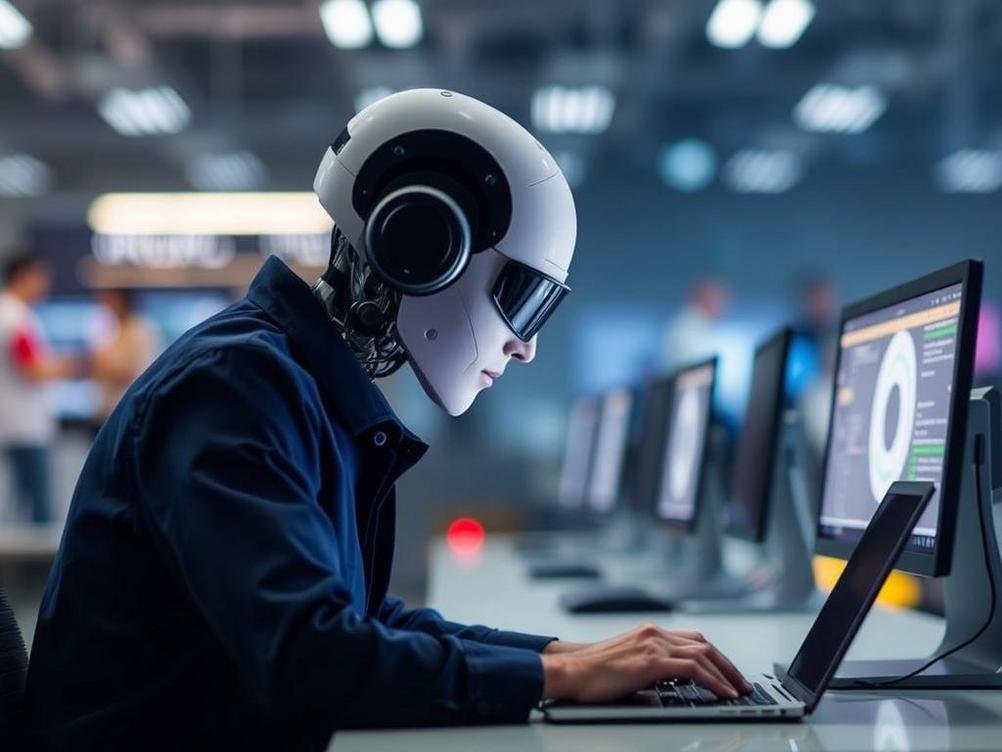
Is AI Sneaking Into Your Job? What MIT’s Latest Study on America’s Workforce Really Means
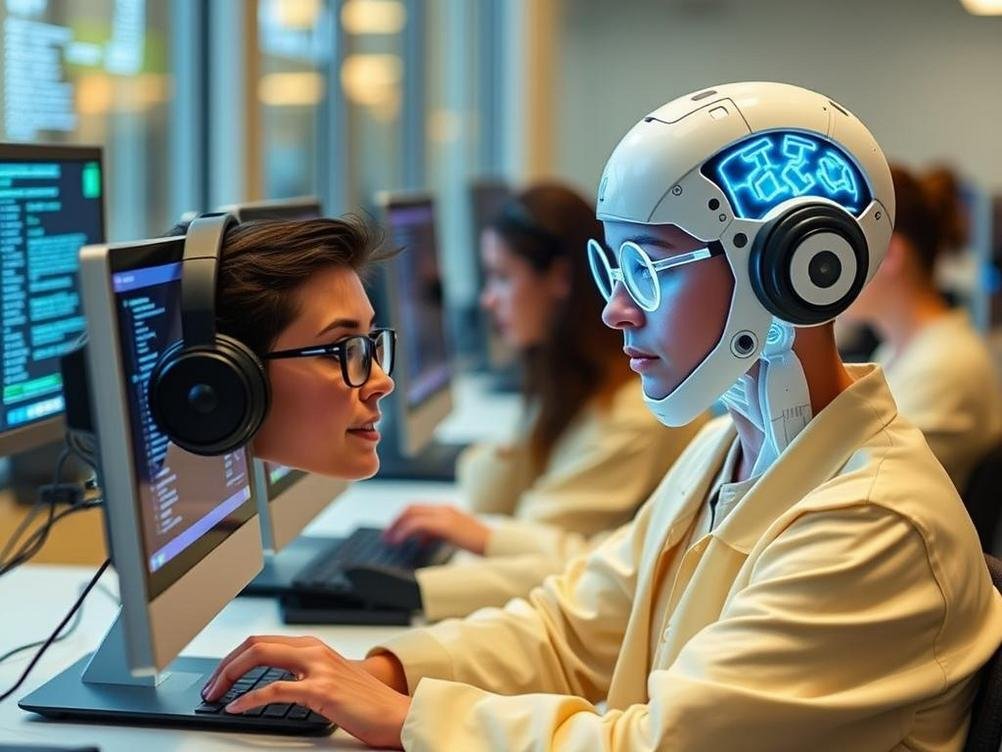
Okay, let’s kick things off with a wild thought: What if your job was just a bunch of tasks that a computer could handle better than you on a bad coffee day? That’s basically what MIT researchers dropped on us in their latest study, revealing that AI can already tackle the work of about 12% of America’s workforce. Yeah, you heard that right—we’re talking millions of jobs potentially up for grabs by these smart machines. It’s like that time I tried to let my smart home device handle the chores and ended up with a flooded kitchen. Picture this: AI isn’t just some sci-fi dream anymore; it’s here, quietly learning how to flip burgers, crunch numbers, and maybe even write your emails without the typos. But before you panic and start hiding your resume, let’s dig into what this really means for everyday folks like us. Is this the dawn of a robot takeover or just another tech hype that’ll fizzle out? From the numbers MIT crunched to how it’s shaking up industries, we’re going to unpack it all in a way that doesn’t make your head spin. Trust me, by the end, you’ll have a clearer picture of whether you need to start training your pet rock to compete with AI.
This study isn’t just some random blog post; it’s backed by solid research from MIT’s folks, who analyzed heaps of data on jobs across the U.S. They’re not saying AI is ready to replace everyone tomorrow, but it’s already capable of handling routine stuff in fields like manufacturing, customer service, and even some creative gigs. Imagine AI as that over-enthusiastic intern who never sleeps—it can process data faster than you can say “I need a break.” But here’s the kicker: while 12% sounds like a small slice, that’s still over 16 million jobs based on current stats from the Bureau of Labor Statistics. That’s a lot of people who might need to rethink their career paths. Yet, it’s not all doom and gloom; AI could free us up for more meaningful work, like actually talking to colleagues instead of staring at spreadsheets. So, grab a cup of joe and let’s explore how this tech is flipping the script on work as we know it. By the way, if you’re curious about the study itself, you can check out the details on the MIT website—it’s a goldmine of insights without the jargon overload.
What the MIT Study Actually Uncovered
You know how everyone’s buzzing about AI these days? Well, this MIT study cut through the noise and got down to brass tacks. Researchers, led by folks like Daron Acemoglu, dove into a massive dataset covering various industries and found that AI can already automate about 12% of tasks in the American job market. It’s not that AI is gunning for your corner office just yet, but it’s pretty handy at repetitive stuff—think data entry, basic analysis, or even driving trucks. I mean, who needs a human behind the wheel when a computer can navigate traffic without yelling at that guy who cuts you off?
What makes this study stand out is how they broke it down by sector. For example, jobs in transportation and warehousing are hit hardest, with AI tech like autonomous vehicles already making waves. On the flip side, roles that require a human touch, like nursing or teaching, are safer for now. It’s like AI is the new kid on the block who’s great at math but clueless about emotions. One stat that jumped out at me was that in clerical work, AI could handle up to 25% of the tasks—that’s a wake-up call for anyone glued to a desk. If you’re thinking, “Wait, how did they figure this out?” they used machine learning models to simulate real job scenarios. Pretty cool, right? It reminds me of when I tried using AI to organize my emails and ended up with a mess, but hey, these researchers nailed it.
- Key finding: AI excels at rule-based tasks, leaving creative or social jobs relatively untouched.
- Industries affected: Manufacturing, retail, and office admin are seeing the biggest shifts.
- Potential impact: This could lead to job displacement, but also new opportunities in AI development.
How AI is Shaking Up the American Job Market
Let’s face it, the job market has always been a rollercoaster, but AI is turning it into a full-blown theme park. According to the MIT study, that 12% figure translates to jobs where AI can step in and do the heavy lifting, freeing up humans for more complex stuff. Take warehouse work, for instance—robots are already zipping around Amazon warehouses like they own the place. It’s efficient, sure, but it also means fewer spots for human pickers. On a brighter note, this could mean businesses save money and pass those savings onto workers in other ways, like better training programs.
Now, don’t get me wrong; AI isn’t just a job-snatcher—it’s a game-changer. In fields like healthcare, AI tools are helping doctors spot diseases faster than a detective in a mystery novel. But as the study points out, not everyone’s equipped to jump on this bandwagon. Workers in lower-wage jobs might feel the pinch first, which is why we’re seeing talks about universal basic income floating around. If you’re in a job that involves a lot of routine, it might be time to spruce up your skills. Think of AI as that friend who takes over the boring chores so you can focus on the fun parts—like innovating or problem-solving.
To put it in perspective, consider this: A report from the World Economic Forum estimates that by 2025, AI could create 12 million more jobs than it displaces. That’s a silver lining if ever there was one. Here’s a quick list of how AI is infiltrating different sectors:
- Manufacturing: Robots handling assembly lines, reducing human error and injury risks.
- Customer service: Chatbots like those from companies such as Zendesk are answering queries 24/7.
- Finance: AI algorithms from firms like JPMorgan are detecting fraud faster than you can say “identity theft.”
The Good, the Bad, and the AI-tastic: Weighing the Pros and Cons
Alright, let’s get real—every shiny new tech has its ups and downs, and AI is no exception. On the positive side, the MIT study shows how AI can boost productivity, like when it automates mundane tasks and lets humans tackle the creative stuff. Imagine clocking out early because a machine handled your data entry. Plus, it could lead to safer workplaces; no more humans risking life and limb in dangerous jobs. But, hey, it’s not all rainbows—there’s the whole job loss thing. That 12% could mean a lot of folks needing to pivot, and not everyone has the resources for that.
Here’s where it gets interesting: The cons aren’t just about losing jobs; it’s about inequality. Lower-skilled workers might get left behind, widening the gap between the haves and have-nots. On the flip side, AI could spark innovation, creating roles we haven’t even dreamed of yet, like AI ethicists or prompt engineers. It’s like that old saying: When one door closes, another opens, but sometimes you have to kick it down. For a laugh, picture AI trying to replace stand-up comedians—good luck with that timing!
- Pros: Increased efficiency, safer environments, and potential for higher wages in new fields.
- Cons: Job displacement, skill gaps, and ethical concerns about bias in AI systems.
- Balanced view: With proper policies, like those discussed in EU AI regulations, we can mitigate the risks.
Real-World Examples of AI Stepping Into the Workforce
If you’re still skeptical, let’s look at some real-world stuff. Take Tesla’s autonomous driving tech; it’s already handling routes that truckers used to drive, potentially affecting thousands of jobs. Or how about in retail, where AI-powered inventory systems from companies like Walmart keep shelves stocked without a human in sight. These aren’t just experiments—they’re happening now, and the MIT study backs it up with data showing AI’s growing capabilities.
Another angle: In education, AI tools like those from Khan Academy are personalizing learning for students, which could reduce the need for traditional tutoring roles. But it’s not all bad; teachers can use this tech to focus on mentoring rather than grading papers. I remember when I first used an AI writing assistant—it was a lifesaver for brainstorming, but I wouldn’t let it write this whole article! These examples show AI isn’t replacing us; it’s more like a sidekick in a buddy cop movie.
What This Means for Your Career and How to Adapt
So, how does this MIT revelation affect you personally? If your job involves a lot of routine, it might be time to level up. The study hints that workers who blend tech skills with soft skills, like communication, will thrive. Think of it as evolving from a one-trick pony to a Swiss Army knife. For instance, if you’re in marketing, learning AI tools for data analysis could make you indispensable.
Don’t freak out—there are plenty of ways to future-proof your gig. Online platforms like Coursera offer courses on AI basics, and they’re affordable. Plus, networking events or even Reddit communities can hook you up with advice from folks who’ve made the switch. It’s like preparing for a marathon; you wouldn’t start without training, right? The key is to stay curious and maybe even experiment with AI in your daily routine.
- Assess your skills: Identify tasks in your job that AI could take over.
- Up skill: Enroll in free resources like those on Coursera.
- Network: Join AI-focused groups to learn from peers.
Looking Ahead: The Future of Work in an AI World
As we wrap our heads around this, it’s clear the future isn’t about fighting AI—it’s about teaming up with it. The MIT study is just the tip of the iceberg; by 2030, experts predict AI could influence even more jobs. But with the right policies, like government retraining programs, we can turn this into a win-win. It’s like planting seeds now for a better harvest later.
Imagine a world where AI handles the grunt work, and humans focus on what we do best: innovating and connecting. Companies are already adapting, with places like Google investing in AI ethics to ensure fair play. So, while the road might be bumpy, it’s exciting to think about the possibilities.
Conclusion
In the end, the MIT study on AI and America’s workforce is a wake-up call, but not a death sentence. That 12% figure shows we’re at a crossroads, where embracing change could lead to a more efficient and fulfilling work life. Whether you’re worried about your job or excited about the potential, remember that humans have always adapted to new tech—from the printing press to the internet. So, let’s use this as motivation to learn, innovate, and maybe even laugh at how AI tries to mimic our quirks. Here’s to a future where we work smarter, not harder—who knows, maybe AI will finally make that perfect cup of coffee. What’s your take? Dive into the comments and let’s chat about it.