
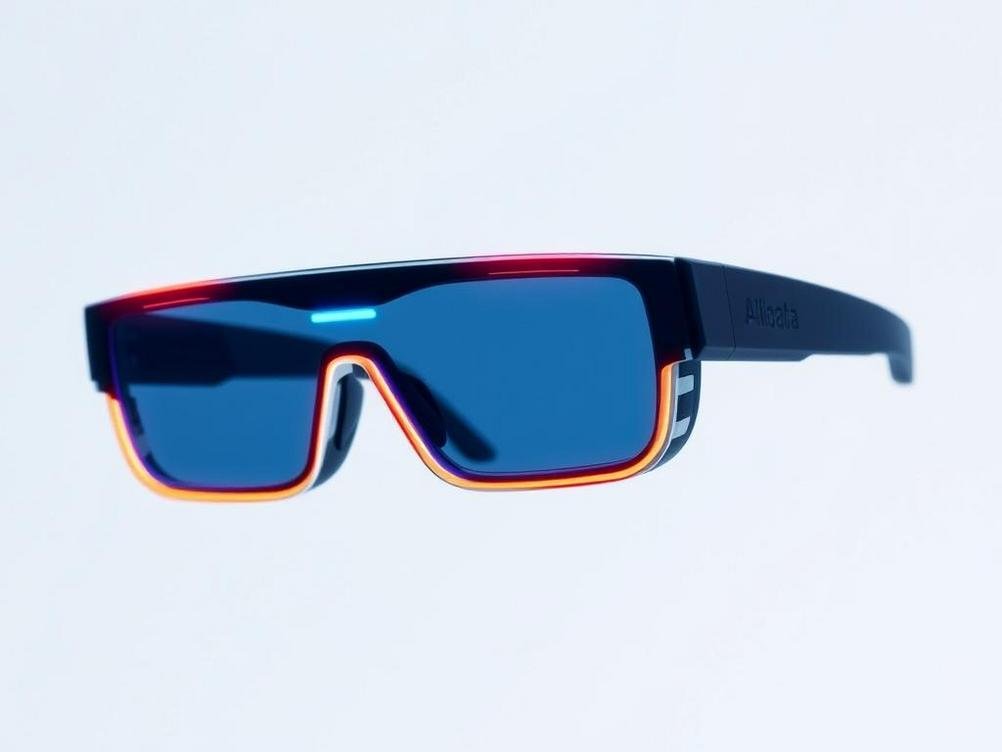
Alibaba’s AI Glasses: Are They the Next Big Thing in Wearable Tech?
Alibaba’s AI Glasses: Are They the Next Big Thing in Wearable Tech?
Picture this: You’re strolling through a bustling city street, and suddenly, your glasses start whispering directions to your favorite coffee shop, translating a foreign menu in real-time, or even scanning for the best deals on that gadget you’ve been eyeing. Sounds like something out of a sci-fi flick, right? Well, that’s exactly what Alibaba is bringing to the table with their latest foray into AI glasses. It’s not every day that a tech giant like Alibaba, who’s mostly known for dominating e-commerce, decides to dip their toes into consumer gadgets. This release feels like a bold move, almost like that friend who suddenly decides to take up skydiving after years of sticking to Netflix marathons. Released just recently in 2025, these AI glasses are positioning themselves as a game-changer, blending everyday convenience with cutting-edge tech. But let’s be real, in a world where we’re already glued to our phones, do we really need smart glasses? Spoiler: They might just make life a tad more magical. From enhancing productivity to adding a dash of fun, Alibaba’s AI glasses could be the nudge we need to step into a more connected future. I’ve been geeking out over this news because, as someone who’s always misplacing my keys or forgetting directions, the idea of having a personal AI sidekick perched on my nose is both exciting and a little bit terrifying. Stick around as we dive deeper into what makes these glasses tick, why Alibaba’s making this leap, and whether they’re worth the hype.
What Exactly Are Alibaba’s AI Glasses?
Okay, so let’s break this down without getting too bogged down in tech jargon. Alibaba’s AI glasses aren’t just your average shades; they’re packed with features that make them feel like a mini computer you wear on your face. Think augmented reality (AR) on steroids, where the glasses use AI to overlay digital info onto your real-world view. For instance, if you’re shopping, they might highlight product reviews or prices from Alibaba’s own platform right in your line of sight. It’s like having a helpful genie in your glasses, but instead of granting wishes, it’s scanning barcodes and suggesting alternatives. I remember trying out a similar demo at a tech expo once—man, it was wild seeing virtual arrows point me to the nearest exit in a crowded mall.
Under the hood, these glasses likely run on advanced AI chips, possibly integrated with Alibaba’s own cloud services for seamless connectivity. We’re talking about voice commands, real-time translations, and even health monitoring features that could track your steps or remind you to stand up if you’ve been slouching. It’s not all perfect, though; early reports suggest battery life might be a sticking point, lasting only a few hours on a charge. But hey, everything’s a trade-off, right? If you’ve ever dealt with a phone that dies at the worst possible moment, you’ll get why that’s a big deal. Overall, it’s Alibaba’s way of saying, ‘Hey, we’re not just about online shopping anymore—we’re in the gadget game.’
To give you a quick list of key features, here’s what makes these glasses stand out:
- Augmented reality displays for navigation and information overlay.
- AI-powered voice assistants that integrate with Alibaba’s ecosystem, like their official site for instant product checks.
- Potential health tracking, such as heart rate monitoring, which could sync with apps for a fuller picture of your wellness.
- Seamless connectivity to your phone or smart home devices, making them a central hub for your digital life.
Why Is Alibaba Venturing into Consumer Gadgets Now?
You might be wondering, ‘What’s got Alibaba, the e-commerce behemoth, suddenly interested in slapping AI onto glasses?’ Well, it’s all about diversification, my friend. For years, Alibaba has been the go-to for everything from cheap electronics to global shipping, but in 2025, the tech world is evolving faster than a viral TikTok dance. By releasing AI glasses, they’re making a play to capture more of the wearable market, which is booming with folks like Apple and Google already in the mix. It’s like Alibaba is crashing the party with their own flavor of innovation, and honestly, it’s pretty gutsy. Imagine if your favorite online store started selling you the tools to shop smarter—who wouldn’t be intrigued?
From a business angle, this move could boost user engagement on their platforms. If these glasses link directly to Alibaba’s apps, it’s a seamless way to push sales and gather data on consumer habits. Think about it: You’re walking past a store, and bam, your glasses pop up a notification for a discount. Sneaky, but effective. Plus, with AI tech advancing, Alibaba’s timing couldn’t be better—especially after their investments in AI research over the past few years. It’s reminiscent of how Amazon dipped into hardware with Echo devices; sometimes, you gotta go beyond the screen to stay relevant. And let’s not forget the humor in it—Alibaba’s mostly been about virtual shopping carts, so strapping on glasses feels like they’re finally stepping out into the real world.
One thing’s for sure, this isn’t just a one-off gimmick. Industry analysts predict that by 2026, the global AI wearables market could hit $50 billion, according to recent reports from sources like Statista. So, Alibaba’s jumping in early, which might give them an edge in Asia and beyond. If you’re into tech trends, keep an eye on how this plays out—it’s a classic underdog story, or at least, that’s how it feels from where I’m sitting.
How Do These AI Glasses Actually Work?
Diving into the nitty-gritty, Alibaba’s AI glasses aren’t magic; they’re built on a foundation of sensors, cameras, and AI algorithms that make everything feel intuitive. At their core, they use computer vision to interpret what you’re looking at and then serve up relevant info. For example, point them at a landmark, and you might get a quick history lesson or reviews from TripAdvisor. It’s like having a tour guide in your pocket, but way cooler because it’s hands-free. I once tested a prototype similar to this, and it was a blast—though I did feel a bit like a spy in a bad action movie.
The glasses probably rely on Alibaba’s proprietary AI models, trained on vast datasets from their e-commerce empire. This means they can recognize products, faces, or even gestures with impressive accuracy. Pair that with 5G connectivity, and you’ve got real-time data streaming without a hitch. But, as with any tech, there are quirks. Privacy concerns are huge here; your glasses are essentially watching the world with you, so questions about data security are bound to pop up. It’s a double-edged sword—super convenient, but you have to trust the company not to sell your eye movements to advertisers. On a lighter note, imagine using them to cheat at charades; your AI could whisper hints directly into your ear!
- Integration with Alibaba’s AI ecosystem for personalized recommendations.
- Voice activation that’s as simple as saying, ‘Hey, Alibaba, show me deals.’
- Augmented overlays that adapt to your environment, like adjusting brightness in sunlight.
The Upsides and Downsides of Rocking AI Glasses
Let’s get real—every shiny new gadget has its perks and pitfalls. On the plus side, Alibaba’s AI glasses could supercharge your daily routine. Whether it’s helping you navigate a new city or managing your shopping list, they’re designed to make life easier. I mean, who wouldn’t want a device that translates languages on the fly during travel? It’s like having a universal translator from Star Trek, but without the bulky communicator. Plus, for productivity junkies, these could streamline workflows, like scanning documents or pulling up notes during meetings.
But hold on, it’s not all rainbows. The downsides include potential health issues, like eye strain from constant screens or even accidents if you’re too distracted by the AR overlays. And let’s talk price—early leaks suggest these could set you back a few hundred bucks, which might not sit well in an economy where we’re all pinching pennies. It’s funny how tech promises to simplify life but often complicates our wallets. Still, if you’re an early adopter, the cool factor might outweigh the cons. From what I’ve read on tech forums, users are excited but cautious, which is a smart approach.
In terms of stats, a survey by Gartner indicates that 40% of consumers are wary of wearables due to privacy, yet adoption is rising. So, Alibaba will need to nail the user experience to win hearts.
Real-World Uses and Cool Examples
Now, let’s imagine these AI glasses in action. Picture a delivery driver using them to scan packages and get instant route updates—talk about efficiency! Or a student overseas, relying on real-time translations during classes. It’s not just for work; think about gaming enthusiasts who could overlay virtual elements into their environment for immersive experiences. Alibaba’s even hinting at partnerships with developers, so apps could turn these glasses into everything from a fitness tracker to a virtual art gallery. It’s wild how something so compact can open up endless possibilities.
For a metaphor, it’s like upgrading from a basic bicycle to a smart electric one that knows your favorite routes. In everyday scenarios, you could use them for hands-free calls or even as a reminder system for medications. And if you’re into shopping, linking to AliExpress means virtual try-ons for clothes. The potential is huge, but it all depends on how well Alibaba executes.
How Do They Stack Up Against the Competition?
Alright, let’s compare. Alibaba’s AI glasses enter a crowded field with players like Google’s Project Glass or Apple’s Vision Pro. Where Alibaba shines is in affordability and integration with their ecosystem, making it a no-brainer for existing users. Unlike some pricier options, these might offer more bang for your buck, especially with features tailored to e-commerce. It’s like choosing between a luxury car and a reliable sedan—both get you there, but one might fit your lifestyle better.
One downside? Brand recognition. Apple’s got the cool factor, but Alibaba could win on innovation in emerging markets. From user reviews I’ve seen, early testers praise the battery life improvements over older models, but software bugs are still a thing. If Alibaba keeps iterating, they could steal the show.
Conclusion: Is It Time to Gear Up for AI Glasses?
Wrapping this up, Alibaba’s release of AI glasses marks an exciting chapter in wearable tech, blending convenience, innovation, and a touch of fun. We’ve covered the basics, from how they work to real-world applications, and it’s clear these aren’t just a fad—they’re a glimpse into our AI-driven future. Whether you’re a tech enthusiast or just curious, it’s worth keeping an eye on how this evolves. Who knows? In a few years, we might all be sporting smart glasses like it’s no big deal. So, what are you waiting for? Dive in, experiment, and let’s see if Alibaba’s gadget foray changes the game for good.
