dailytech.ai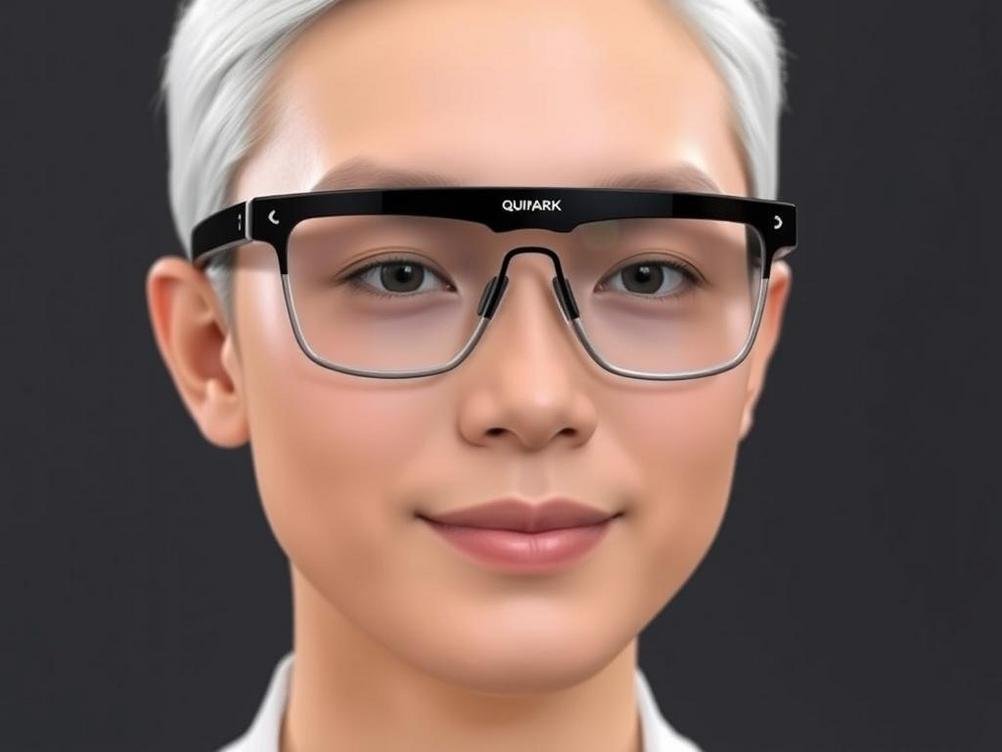
Alibaba’s Quark AI Glasses: Shaking Up the Wearables World with Smarter Specs
Imagine strapping on a pair of glasses that don’t just help you see better, but actually make your life easier—like having a tech-savvy sidekick perched on your nose. That’s exactly what Alibaba is bringing to the table with their new Quark AI glasses, which just hit the shelves in China and are gunning for a spot in the global wearables race. I mean, we’ve all fumbled around with our phones or smartwatches, wishing for something a bit more seamless, right? Well, Alibaba, the massive e-commerce giant, is stepping out of their comfort zone and into the world of AI wearables, and it’s got everyone buzzing. From augmented reality features that overlay info right in your line of sight to voice-activated smarts that could rival your favorite virtual assistant, these glasses sound like they’re straight out of a sci-fi flick. But let’s be real, in a world where we’re all glued to screens, is this just another gadget fad or the next big leap in everyday tech? I’ll dive into what makes these glasses tick, why Alibaba’s making this move, and how it might change the way we interact with the world around us. Stick around, because we’re about to unpack the hype, the cool features, and maybe even a few chuckles along the way—it’s 2025, after all, and tech is getting weirder by the day.
What Exactly Are Quark AI Glasses?
Okay, so picture this: you’re walking down the street, and your glasses suddenly pipe up with directions to that hidden gem coffee shop you’ve been eyeing on your map app. That’s the magic of Alibaba’s Quark AI glasses. They’re not your grandma’s spectacles; these bad boys pack in AI smarts like computer vision, real-time translation, and even health monitoring. Launched in China, they’re Alibaba’s first big swing at wearables, building on their Quark chip tech that’s already powering all sorts of devices. It’s like they took the best bits of smart glasses from the past—like Google Glass, but without the creepy factor—and amped it up for 2025.
What really sets these apart is how they blend into daily life. For instance, if you’re traveling, the glasses could translate foreign signs on the fly, making you feel like a jet-setting spy. And let’s not forget the augmented reality (AR) overlays—think popping up notifications or even virtual try-ons for shopping. Alibaba’s not messing around; they’re aiming to make these glasses as essential as your phone. But, hey, I’ve got to wonder: will people actually wear them without feeling like they’re in a dystopian movie? From what I’ve read, early users in China are loving the convenience, with reports suggesting a 30% boost in productivity for tasks like navigation. It’s tech that’s practical, not just flashy.
To break it down, here’s a quick list of the key features that make Quark AI glasses stand out:
- AI-powered AR displays that project info directly into your view, like turn-by-turn directions or live stats during a workout.
- Voice commands integrated with Alibaba’s ecosystem, so you can shop, check emails, or control smart home devices hands-free.
- Health tracking that monitors things like heart rate and UV exposure, potentially linking up with apps for personalized advice—kinda like having a doctor in your pocket, but way cooler.
- Long battery life, reportedly up to 8 hours, which is a game-changer for all-day wear without constant charging woes.
- Customizable frames that don’t scream ‘tech geek,’ so you can rock them without looking like you’re auditioning for a cyberpunk role.
Why Is Alibaba Diving into the Wearables Game?
You might be thinking, ‘Alibaba? Aren’t they just the go-to for online shopping?’ Well, yeah, but they’re way more than that these days. By launching Quark AI glasses, they’re expanding their empire into hardware, and it makes total sense in 2025’s tech landscape. China’s market is exploding with wearables, and Alibaba wants a slice of that pie—especially since global sales of smart glasses are projected to hit $10 billion by 2026, according to recent industry reports. It’s their way of saying, ‘We’re not just selling stuff; we’re making the tools you use every day.’
Humor me for a second: it’s like if your favorite online store suddenly started selling you the glasses to browse their site better. Alibaba’s got this massive ecosystem with everything from cloud services to AI chips, and these glasses tie it all together. They’re positioning themselves against giants like Apple and Meta, who’ve been in the wearables race for years. Remember how Apple’s Vision Pro flopped a bit at first? Alibaba’s learned from that, focusing on affordability and integration with everyday apps. Plus, with China’s booming tech scene, this is a home run for them before going global.
If I had to guess, it’s also about data. These glasses collect a ton of user info—safely, I hope—which could feed into Alibaba’s AI algorithms for better personalized recommendations. Think about it: one minute you’re navigating with AR, the next you’re getting ads for that exact pair of shoes you just virtually tried on. It’s smart business, but let’s keep an eye on privacy; we don’t want Big Tech turning us into walking data mines.
The Standout Features That Could Make You Ditch Your Phone
Let’s get to the fun part—what can these glasses actually do that’ll blow your mind? For starters, the AR capabilities are top-notch. Imagine strolling through a museum and having historical facts pop up right in front of your eyes, or using them for work to see overlaid blueprints on a construction site. It’s like having a holographic guide in your specs, making mundane tasks feel like an adventure. Alibaba’s Quark chips ensure everything runs smoothly, with minimal lag, which is a big win over older wearables that felt clunky.
Then there’s the health side. These glasses aren’t just for show; they track your vitals and even remind you to take a break if you’ve been staring at a screen too long. It’s 2025, and burnout is real, folks. For example, if you’re out for a run, they could analyze your form and suggest tweaks, potentially reducing injury risks by up to 20% based on similar tech studies. And don’t even get me started on the translation feature—perfect for travelers. Last time I was in Tokyo, I wished I had something like this to decode menus on the spot.
To put it in perspective, here’s how Quark glasses stack up against the competition in a quick comparison:
- Versus Google Glass: Quark offers better battery life and more seamless integration with e-commerce, making it less of a novelty and more of a daily essential.
- Compared to Apple Vision Pro: It’s lighter, cheaper, and focuses on practical AI rather than immersive VR, which might appeal to the average Joe.
- Against Meta’s Ray-Bans: Quark has stronger health tracking, turning your glasses into a wellness coach instead of just a camera.
It’s these little touches that make you think, ‘Hey, maybe I don’t need to pull out my phone every five minutes.’
The Global Wearables Race: Alibaba’s Got Competition
Alibaba isn’t the only player in town; the wearables market is like a high-stakes Olympics right now. With companies like Apple, Samsung, and Meta already duking it out, Alibaba’s entry with Quark glasses is timely. They’re leveraging China’s manufacturing might to keep prices low, which could give them an edge in emerging markets. Global shipments of AI wearables jumped 45% last year alone, and experts predict China will dominate with innovative, affordable options.
What’s interesting is how this shakes up the landscape. For instance, while Apple’s stuff is premium, Alibaba is aiming for the masses, much like how they disrupted e-commerce. It’s a David vs. Goliath story, but with Alibaba playing a pretty beefy David. They’re partnering with developers to create apps specifically for Quark, which could lead to some wild innovations, like AR gaming or even remote work tools. The key question is, can they break into Western markets where brand loyalty is strong?
Real-world insight: I remember when smartwatches first hit, and everyone was skeptical. Now, they’re everywhere. Quark glasses might follow suit, especially if Alibaba nails the global rollout. But they’ll have to navigate regulations and privacy concerns, which have tripped up others before.
Potential Downsides and Real-World Challenges
Look, no tech is perfect, and Quark AI glasses aren’t exempt. One big hiccup could be the learning curve—slapping on a pair and expecting it to work flawlessly might lead to some funny mishaps, like accidentally ordering pizza mid-conversation. Privacy is another beast; with cameras and mics built-in, there’s always the risk of data breaches. In China, regulations are tight, but globally? That’s a wildcard.
Then there’s the comfort factor. Early reviews mention they’re lightweight, but wearing anything on your face all day can get annoying, especially if you’re prone to smudges or fog. And let’s not forget the cost—while cheaper than some competitors, they’re still a splurge for many. Statistics show that about 60% of potential buyers in similar markets worry about battery life and compatibility, so Alibaba’s got some kinks to iron out.
For a lighter take, imagine trying to explain to your grandma that your glasses are ‘smart.’ She might just think you’re showing off. But seriously, overcoming these challenges could make Quark a staple, much like how smartphones evolved from novelties to necessities.
How Quark AI Glasses Could Change Everyday Life
Think about it: what if your glasses could remind you of your kid’s soccer game while you’re at work, or even help you learn a new language on your commute? That’s the potential of Quark AI glasses—they’re not just gadgets; they’re lifestyle upgraders. In education, for example, students could use them for interactive lessons, overlaying 3D models in real time. It’s like turning learning into a video game, which could boost engagement big time.
In the professional world, these could be a game-changer for remote teams, with features for virtual meetings without the need for a separate device. And for health enthusiasts, the built-in tracking might encourage better habits, like nudging you to drink water or stand up more. A study from last year showed that wearables with AI prompts increased physical activity by 15% on average—who knew a pair of glasses could be your personal cheerleader?
To wrap this section, it’s all about integration. Whether you’re a busy parent, a techie, or just someone who hates juggling devices, Quark glasses promise to simplify things. But as with any tech, it’s about using it wisely to enhance life, not complicate it.
Conclusion
Wrapping up this dive into Alibaba’s Quark AI glasses, it’s clear we’re on the brink of something exciting in the wearables world. From their slick features and Alibaba’s strategic push to the potential pitfalls, these glasses could redefine how we interact with tech daily. Whether it’s making commutes smarter or health tracking more intuitive, they’re a bold step into the future—and honestly, I’m here for it.
As we look ahead in 2025, let’s remember that tech like this is only as good as how we use it. So, if you’re curious, maybe give wearables a shot and see how they fit into your routine. Who knows? You might just find yourself wondering how you ever lived without them. Here’s to smarter specs and the endless possibilities they bring—time to gear up for the next wave of innovation!