dailytech.ai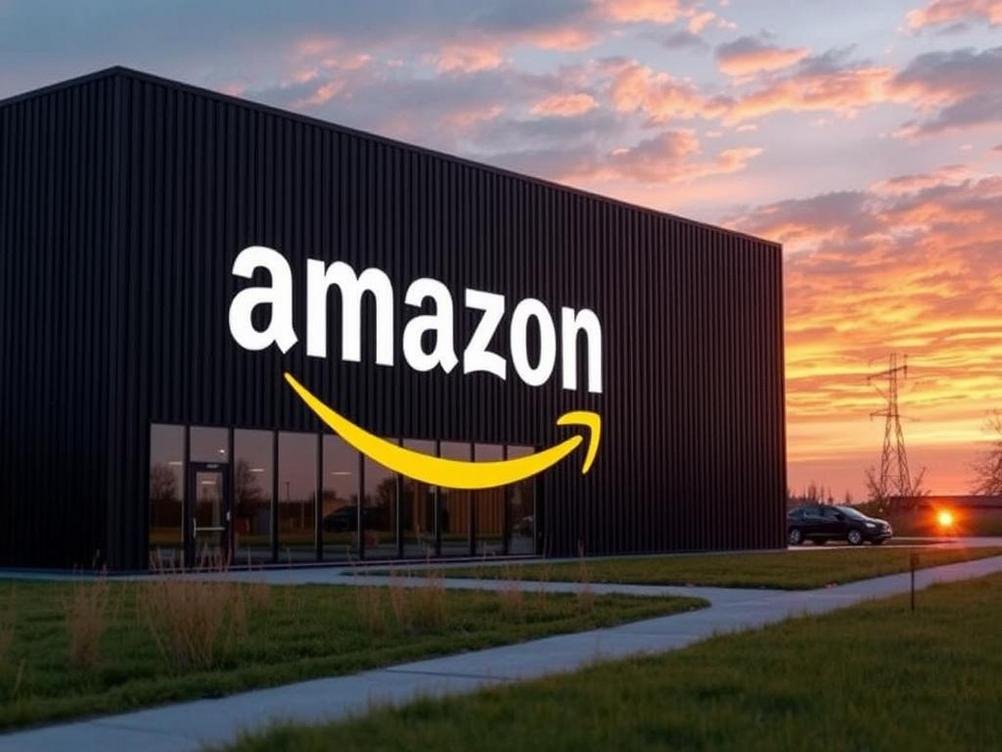
Amazon’s $15 Billion AI Gamble in Northern Indiana: Is This the Next Tech Boom?
Imagine walking through the heart of Northern Indiana one day and stumbling upon these massive, gleaming data centers popping up like mushrooms after a rainstorm. It’s wild to think that just a few years back, this area was more about cornfields and quiet towns, and now it’s becoming ground zero for the AI revolution. That’s exactly what’s going down with Amazon’s massive $15 billion investment announcement— they’re pouring cash into building new data centers to supercharge AI innovation. You might be wondering, ‘Why should I care about this?’ Well, it’s not just about big tech flexing its muscles; it’s about how this could reshape jobs, tech advancements, and even your daily life. Think about it: AI already helps with everything from recommending your next Netflix binge to powering smart home devices, and with investments like this, we’re talking next-level stuff—faster AI models, more accessible tech, and maybe even solving some real-world problems we didn’t know were possible. But let’s not get ahead of ourselves; there are questions about environmental impact, local community changes, and whether this is all hype or actual progress. In this post, we’ll dive into the nitty-gritty of Amazon’s plans, why Indiana is the chosen hotspot, and what it means for the future. Stick around, because we’re about to unpack how this could be a game-changer—or a bumpy ride—for everyone involved.
What Exactly Is Amazon Up To With This $15 Billion Splash?
You know, when I first heard about Amazon dropping $15 billion into Northern Indiana for data centers and AI, I had to double-check if it was some kind of sci-fi plot. But nope, it’s real. Amazon Web Services (AWS) is leading the charge, planning to build these sprawling campuses that will house servers, storage, and all the tech wizardry needed to push AI forward. It’s like they’re building the digital backbone for the next wave of innovation. This isn’t just about expanding cloud services; it’s about creating infrastructure that can handle the insane amounts of data AI needs to learn and grow. And let’s face it, in a world where AI is already chatting with us via apps like ChatGPT or helping doctors spot diseases early, having more powerful data centers means faster, smarter tech for all.
What’s cool is that this investment isn’t happening in a vacuum. Amazon’s been on a roll with AI, integrating it into everything from their e-commerce platform to Alexa. But why so much money? Well, the tech world is exploding—global AI spending is projected to hit over $200 billion by 2025, according to reports from firms like Gartner. That means companies like Amazon need to stay ahead, and building in places like Indiana could give them an edge with lower costs and strategic location. It’s like planting a flag in new territory; they’re not just investing in hardware, but in the future of AI research and development. If you’re into tech, this could mean more tools and resources becoming available sooner than you think.
- Data centers will support AI training for models that handle everything from predictive analytics to virtual assistants.
- This could lead to partnerships with local universities, boosting research in machine learning and AI ethics.
- Think of it as Amazon saying, ‘Hey, we’re not just selling stuff online; we’re building the engines that power the digital world.’
Why Pick Northern Indiana? It’s Not Just About the Scenery
Okay, let’s get real—Northern Indiana isn’t exactly the first place that pops into your head for a tech boom. I mean, we’re talking about a region known for its manufacturing roots and lakeside vibes, not Silicon Valley glitz. But here’s the thing: Amazon didn’t choose it on a whim. They’ve got some solid reasons, like the area’s access to reliable energy, land, and even fiber-optic networks that make it perfect for data centers. It’s like finding a hidden gem; the costs are lower compared to coastal hotspots, and there’s plenty of space to expand without running into traffic jams or zoning nightmares. Plus, with its central location in the U.S., it’s a logistics dream for distributing data across the country.
What makes this even more intriguing is the potential for economic ripple effects. States like Indiana have been pushing incentives for tech investments, offering tax breaks and workforce development programs to attract big players. It’s almost like a matchmaking service between tech giants and overlooked areas. For instance, places like Elkhart or South Bend could see a transformation, turning from industrial hubs into mini-tech cities. And let’s not forget the humor in it—imagine locals swapping stories about switching from factory lines to debugging code. But seriously, this could help bridge the gap in the ‘tech divide,’ bringing high-tech jobs to parts of America that need them most.
- Proximity to major transportation routes makes it easier to manage the massive equipment needed for data centers.
- Indiana’s growing talent pool, with schools like Purdue University churning out engineers, adds to the appeal.
- It’s a strategic move to diversify from over-saturated markets, kind of like how Netflix pivoted from DVDs to streaming—smart, adaptable, and forward-thinking.
How This Investment Could Supercharge AI Innovation
Now, let’s talk about the real excitement: AI innovation. Amazon’s investment isn’t just about bricks and servers; it’s about fueling the AI engine that could change how we live and work. These data centers will handle the kind of computing power needed for advanced AI tasks, like training massive language models or developing autonomous systems. It’s like giving AI a bigger brain—more data means better learning, faster responses, and innovations we haven’t even dreamed up yet. For example, we could see improvements in AI-driven healthcare, where algorithms predict outbreaks or personalize treatments, all thanks to this beefed-up infrastructure.
But wait, there’s a fun side to this. Imagine AI getting so advanced that it starts writing better blog posts than us humans—yikes! Seriously, though, this could lead to breakthroughs in fields like climate modeling or even entertainment, where AI creates customized movies or games. Stats from sources like Statista show that AI in business is expected to grow exponentially, with applications in everything from supply chain optimization to creative design. Amazon’s play here positions them as a leader, potentially collaborating with other tech firms or even open-sourcing some tech for wider use. It’s not just about profit; it’s about pushing the envelope.
- Enhanced computing capabilities could accelerate AI research, reducing the time it takes to develop new models from months to weeks.
- Real-world example: Companies like Google have already seen success with similar investments, leading to tools like their AI for search—Amazon might do the same for cloud services.
- And hey, with more innovation, we might finally get those self-driving cars that don’t get stuck in traffic—fingers crossed!
The Job Scene: Who’s Getting in on the Action?
If you’re job-hunting or just curious about the economy, this investment is like a shot of espresso for Northern Indiana’s employment market. Amazon’s projects could create thousands of jobs, from construction workers building the campuses to tech pros managing the servers. We’re talking about roles in engineering, data science, and even maintenance, which means opportunities for everyone from fresh graduates to seasoned experts. It’s hilarious to think about—picture a farmer trading his tractor for a laptop, but that’s the kind of shift we’re seeing. This isn’t just temporary gig; it’s about long-term growth that could revitalize the local economy.
According to economic forecasts from organizations like the U.S. Chamber of Commerce, investments like this can multiply local spending and attract more businesses. For Indiana, that might mean new startups popping up or existing companies expanding. But let’s keep it real; not all jobs will be high-tech glamor. There’ll be plenty of support roles, like administrative or security positions, making it inclusive. If you’re in the area, this could be your chance to level up your career—maybe even learn some AI basics through community programs that Amazon might fund.
- High-skill jobs: AI engineers and developers, with salaries potentially reaching six figures.
- Mid-level opportunities: Network admins and technicians who keep everything running smoothly.
- Entry-level roles: From warehouse support to entry IT, giving a foot in the door for newcomers.
What Could Go Wrong? The Flip Side of the Coin
Alright, let’s not sugarcoat it—every big investment has its pitfalls, and Amazon’s AI push in Indiana is no exception. For starters, building massive data centers guzzles energy, which could strain local resources and ramp up carbon emissions. It’s like throwing a party but forgetting about the cleanup; we need to talk about sustainability. Plus, there might be community pushback over noise, traffic, or even the fear that AI tech could displace jobs rather than create them. I’ve got to chuckle at the irony—here we are, celebrating progress, but what if the very AI we’re building starts automating jobs faster than we can train people?
Another angle is regulatory hurdles; governments are tightening rules on data privacy and AI ethics, especially after scandals like those with social media data breaches. Amazon will have to navigate that carefully, ensuring their centers comply with everything from GDPR to state laws. Still, if handled right, this could be a learning curve that leads to better practices overall. As someone who’s followed tech news, I see this as a reminder that innovation isn’t always smooth—it’s messy, but that’s what makes it human.
- Environmental concerns: Data centers use huge amounts of power—think equivalent to a small city’s electricity needs.
- Job displacement risks: While new roles emerge, some traditional jobs might fade, as seen in other tech-heavy areas.
- Potential solutions: Companies like Microsoft are already investing in green energy for their data centers; Amazon could follow suit for a win-win.
Conclusion: Wrapping Up Amazon’s Bold Move
As we wrap this up, Amazon’s $15 billion dive into Northern Indiana for AI innovation feels like a pivotal moment in tech history. It’s not just about the money or the buildings; it’s about what this means for our shared future—more accessible AI, economic boosts, and yes, a few laughs along the way as we adapt to change. We’ve seen how this investment could spark jobs, drive innovation, and even tackle some global challenges, but it’s also a call to stay vigilant about the downsides. At the end of the day, if we play our cards right, this could help bridge gaps in technology and make AI a force for good. So, whether you’re a tech enthusiast or just curious about the world, keep an eye on Indiana—it might just be the spark that lights up the next big thing. Who knows? In a few years, we could all be benefiting from smarter tech in our pockets, thanks to moves like this.