
Why an Arizona City Just Slammed the Brakes on a Huge AI Data Center – And What It Means for the Rest of Us
Why an Arizona City Just Slammed the Brakes on a Huge AI Data Center – And What It Means for the Rest of Us
Imagine this: You’re living in a quiet Arizona suburb, where the biggest excitement is the annual chili cook-off, and suddenly, big tech companies start circling like vultures, pushing for a massive data center that promises jobs but could turn your neighborhood into a buzzing, power-hungry beast. That’s exactly what went down in one Arizona city recently, and spoiler alert – they said no. It’s a story that hits close to home for anyone who’s ever wondered if AI is taking over our lives, our politics, and even our backyards. I mean, think about it: AI isn’t just about cool chatbots or fancy image generators anymore. It’s elbowing its way into local decisions, lobbying lawmakers, and sparking debates that could reshape communities. This rejection isn’t just a win for that city; it’s a wake-up call for all of us about the unchecked power of AI in everyday politics. We’ll dive into the juicy details, explore why this happened, and unpack what it means for the future – because if AI can influence a small-town decision, what’s next? Is it going to lobby for your next-door neighbor’s house? Okay, maybe that’s a stretch, but stick with me as we break this down in a way that’s as straightforward as a desert sunset.
What Exactly Went Down in Arizona?
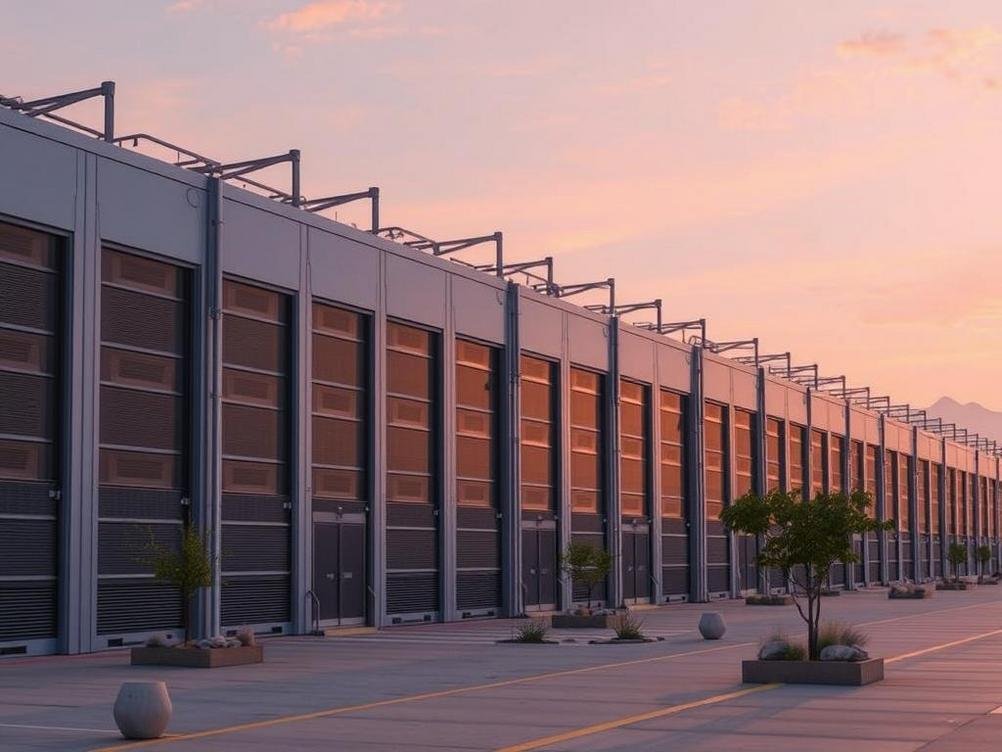
First off, let’s set the scene without getting too bogged down in the nitty-gritty. Picture this: A bunch of AI companies, hyped up on the promise of endless data storage and processing power, zeroed in on an Arizona city as the perfect spot for a new data center. We’re talking massive warehouses full of servers that’d hum 24/7, drawing energy like a black hole and potentially lighting up the local economy. But here’s the twist – these tech giants didn’t just show up with blueprints; they brought their lobbying A-game. That means phone calls to officials, slick presentations, and probably a few promises of jobs and innovation that sounded too good to pass up.
Now, the city folks weren’t buying it wholesale. Residents started pushing back, worried about things like increased traffic, higher energy bills, and environmental impacts – you know, the stuff that keeps people up at night. In the end, after heated meetings and a vote that felt like a community showdown, the city rejected the proposal. It’s like that time you turned down a job offer that paid well but required you to move to the middle of nowhere – sometimes, the cons just outweigh the pros. This isn’t just about one decision; it’s a prime example of how AI’s rapid growth is forcing local governments to play catch-up.
To break it down further, let’s list out the key players and events:
- The AI companies involved were pushing for infrastructure that could support next-level computing, but they underestimated the local backlash.
- Community groups rallied, highlighting concerns over water usage and noise pollution – think of it as the neighborhood watch going up against Silicon Valley.
- Local officials cited studies showing that data centers can spike energy demands by up to 50% in surrounding areas, which hit home for a desert community already dealing with scarce resources.
The Real Deal on AI Lobbying – It’s Everywhere These Days
You might be thinking, ‘Lobbying? Isn’t that just for big oil or pharma?’ Well, buckle up, because AI has crashed that party too. These days, tech firms are pouring millions into influencing policies, from Washington down to city halls. In this Arizona case, it was all about greasing the wheels for data centers, which are basically the backbone of AI operations. Imagine AI as a hungry kid – it needs constant snacks (data) and a big fridge (data centers) to keep growing. But when that growth starts affecting real people’s lives, like turning quiet streets into construction zones, folks get cranky.
What’s funny is how lobbying has evolved. Back in the day, it was suits in smoke-filled rooms; now, it’s digital campaigns and data-driven persuasion. For instance, AI companies might use predictive analytics to target specific officials – yeah, your favorite AI tool could be quietly helping shape laws. It’s a double-edged sword: On one hand, it drives innovation, like how OpenAI pushes for ethical AI development. On the other, it can feel like the tech world is playing puppet master. In Arizona, this pushback shows that communities are waking up and saying, ‘Hey, we’re not just numbers in your algorithm.’
If you’re curious about how this plays out nationally, check out reports from places like California, where similar lobbying efforts have led to mixed results. For example, a data center in a rural area there created jobs but also sparked lawsuits over environmental damage. It’s like trying to fit a square peg in a round hole – sometimes, progress isn’t as seamless as the tech bros make it sound.
The Upsides and Downsides of Data Centers in Our World
Let’s not pretend data centers are all bad – they’re like the unsung heroes of the digital age, powering everything from your Netflix binge to AI-driven medical research. But in the Arizona scenario, the potential benefits, like thousands of high-tech jobs and economic boosts, clashed head-on with the downsides. Think about it: These centers guzzle electricity like it’s going out of style, often relying on fossil fuels, which isn’t exactly eco-friendly in a state that’s basically a sunbaked oven.
On the flip side, if we’re talking pros, data centers can be a game-changer for local economies. They bring in skilled workers, foster innovation hubs, and even support education programs. For instance, some regions have partnered with tech firms to train locals in AI skills, turning former factory towns into tech hotspots. But as Arizona showed, it’s not always a perfect fit. Residents worried that the cons – like increased pollution and strain on water supplies – would outweigh the perks, especially in an area already grappling with climate change.
To put this in perspective, here’s a quick list of what makes data centers a mixed bag:
- Pros: Job creation and economic growth, as seen in states like Virginia, where data centers have added billions to the GDP.
- Cons: Massive energy consumption – globally, data centers account for about 1% of electricity use, according to recent stats from the International Energy Agency.
- Other factors: Environmental impact, such as heat emissions that could worsen local weather patterns, making Arizona’s already scorching summers even tougher.
How This Shakes Up Local Communities and Everyday Folks
Here’s where it gets personal – decisions like the one in Arizona don’t just affect politicians; they hit the average Joe right in the wallet and the backyard. Imagine your property values dropping because a giant data center moves in next door, or your kids playing in a park that’s now overshadowed by server farms. In this case, Arizona residents banded together, using social media and town halls to voice their concerns, proving that grassroots efforts can outmuscle corporate lobbying.
What’s interesting is how AI itself could play a role in these community responses. Tools like community organizing apps, powered by AI, helped coordinate opposition – it’s ironic, right? The very technology that’s being lobbied for is now helping people fight back. For example, platforms like Nextdoor let neighbors share info and mobilize, turning what could be a tech vs. people battle into a more even fight. Still, it’s a reminder that while AI promises to connect us, it can also divide if not handled with care.
And let’s not forget the humor in all this. It’s like AI is that overzealous friend who wants to help but ends up rearranging your whole house without asking. Communities are learning to set boundaries, ensuring that tech growth doesn’t come at the expense of quality of life.
The Wider Implications: AI’s Growing Grip on Policy and Society
Zoom out a bit, and this Arizona rejection is just a blip in the bigger AI saga. We’re seeing AI influence everything from elections to environmental policies, and it’s not always pretty. Think about how AI algorithms can sway public opinion through targeted ads or even fake news – suddenly, lobbying isn’t just about money; it’s about data manipulation. In Arizona, this event highlights the need for stronger regulations to keep AI in check, like requiring transparency in lobbying efforts.
Looking ahead, countries around the world are grappling with similar issues. In the EU, for instance, new AI regulations are forcing companies to disclose their lobbying activities, which could inspire U.S. states to follow suit. It’s like finally putting a leash on that energetic puppy – necessary for everyone’s sanity. For Arizona, this could mean more scrutiny on future tech projects, encouraging a balance between innovation and community needs.
To illustrate, consider how AI lobbying has affected other sectors: In healthcare, it’s pushed for faster drug approvals, but in politics, it can lead to biases in decision-making. Stats from advocacy groups show that tech lobbying spending has doubled in the last five years, making this Arizona story a timely wake-up call.
Lessons We Can All Take Away From This Mess
At the end of the day, what can we learn from Arizona’s standoff? For one, it’s a masterclass in standing up to big tech. Communities need to stay informed and involved, maybe even forming local groups to monitor AI developments. It’s empowering, really – like discovering you have a say in how the future unfolds. Plus, it underscores the importance of diverse voices in tech decisions, ensuring that AI doesn’t just serve the elite.
On a lighter note, this whole thing reminds me of that old saying: ‘Too much of a good thing.’ AI is amazing, but without checks, it can overstep. If you’re in a similar spot, start by educating yourself – resources like EFF.org offer great insights into tech accountability. Who knows? Your town could be next, and you’d want to be prepared.
Finally, let’s not forget the human element. Stories like this show that at the core, it’s about people protecting their way of life against rapid change. By learning from Arizona, we can push for smarter, more inclusive AI growth.
Conclusion
Wrapping this up, the Arizona city’s rejection of that AI-backed data center isn’t just a local win; it’s a pivotal moment that highlights the tensions between technological progress and real-world impacts. We’ve seen how lobbying can both drive innovation and stir up conflict, and it’s clear we need better safeguards to ensure AI serves everyone, not just the corporations. As we move forward, let’s keep the conversation going – after all, in a world that’s increasingly AI-driven, staying engaged might just be our best defense. So, next time you hear about a big tech push in your area, remember this story and ask yourself: What’s really at stake? It’s a question worth pondering, because the future of AI is in our hands, one decision at a time.
