dailytech.ai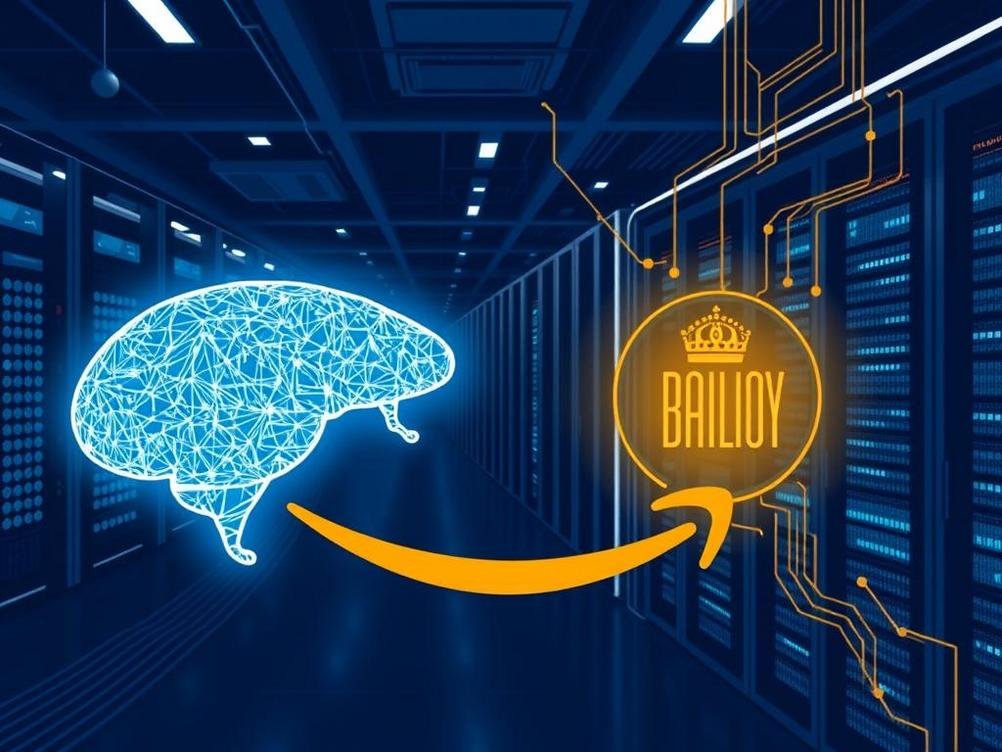
How AWS is Supercharging AI and Supercomputing for the US Government – And Why It Matters
Imagine you’re the US government, juggling everything from tracking weather patterns that could wipe out a city to analyzing massive datasets for national security. Now, picture Amazon Web Services (AWS) stepping in like a tech-savvy superhero, ready to amp up their AI and supercomputing game. That’s exactly what’s happening with AWS’s latest announcement about a massive expansion tailored for government needs. It’s not just about faster computers; it’s about reshaping how decisions are made, from predicting natural disasters to cracking down on cyber threats. As someone who’s followed tech trends for years, I can’t help but chuckle at how AWS is basically saying, “Hold my cloud, we’ve got this!” But seriously, this move could be a game-changer in an era where AI is everywhere, from your smart fridge to spy satellites. We’ll dive into what this all means, why it’s exciting (and a bit scary), and how it might affect you and me in ways we haven’t even thought of yet. Stick around, because it’s not every day that big tech collides with bureaucracy in such a spectacular way.
This expansion isn’t just about beefing up servers; it’s about addressing real-world problems that keep government officials up at night. Think about it – we’re talking petabytes of data being processed in seconds, not hours, which could mean quicker responses to pandemics or even climate change. I’ve always been fascinated by how AI evolves, and AWS’s push here feels like they’re taking cues from sci-fi movies, but making it practical. Of course, with great power comes great responsibility, and we’ll explore the ins and outs, the potential perks, and even the humorous hiccups that might pop up. By the end, you’ll see why this isn’t just news for the wonks in Washington – it’s stuff that could influence your daily life, like making public services smarter or even improving how taxes are handled. Let’s break it all down, shall we?
What Exactly is AWS Planning?
Okay, so AWS isn’t just throwing more hardware at the wall and hoping it sticks. From what we’ve heard, they’re rolling out a beefed-up infrastructure specifically for AI and supercomputing, aimed squarely at US government agencies. It’s like AWS is building a high-tech playground for the Feds, complete with advanced AI models and superfast processors that can handle complex simulations. I remember when I first dabbled in cloud computing years ago – it was clunky and slow – but now, it’s all about scalability and speed. This expansion could mean dedicated regions for government use, ensuring data stays secure and compliant with those ever-stringent rules.
One cool aspect is how AWS plans to integrate their existing services, like Amazon SageMaker for AI development, into this setup. It’s not just about raw power; it’s about making it user-friendly for folks who aren’t coding wizards. Picture a government analyst using these tools to predict traffic patterns in real-time during a hurricane evacuation – that’s the kind of practical magic we’re talking about. And let’s not forget the humor in it; AWS is basically saying, “We’ll handle the heavy lifting so you can focus on ruling the world… or at least managing it.” But in all seriousness, this could lead to better resource allocation, saving taxpayers money in the long run.
- First off, expect more investment in quantum-inspired computing, which AWS has been teasing for a while.
- Then there’s enhanced security features to keep sensitive data under wraps, because nobody wants a Hollywood-style hack on government files.
- Finally, partnerships with other tech giants might be in the works, expanding the ecosystem beyond just AWS’s backyard.
Why Supercomputing is a Big Deal for Government Work
You might be wondering, what’s the fuss about supercomputing anyway? Well, it’s like having a brain on steroids – these machines can crunch numbers at speeds that make your laptop look like it’s taking a nap. For the US government, this means tackling enormous challenges, such as modeling climate change or simulating military scenarios without the real-world risks. AWS’s expansion is stepping in to make this more accessible, almost like democratizing super tech for public service. I once tried running a simple simulation on my old PC, and it took forever; imagine scaling that up to national levels – that’s where AWS shines.
And here’s where it gets fun: supercomputing isn’t just for the eggheads. It could revolutionize everyday government operations, like optimizing energy grids or even improving healthcare data analysis. Think about how this might speed up vaccine development, drawing from past events like the COVID-19 race. AWS’s approach adds a layer of AI on top, making predictions smarter and more accurate. It’s almost like giving the government a crystal ball, but one that’s backed by real science and a dash of corporate ingenuity.
- Supercomputing helps in weather forecasting, potentially saving lives by predicting storms days in advance.
- It aids in scientific research, such as mapping genomes faster than ever before.
- Plus, for national security, it’s a game-changer in decrypting threats or analyzing vast intel datasets.
The AI Side of Things: Smarter Than Your Average Bear
Now, let’s talk AI, because that’s the real star of the show here. AWS isn’t just expanding compute power; they’re embedding advanced AI capabilities that could make government decisions way more efficient. We’re looking at machine learning algorithms that learn from data in real-time, helping agencies like the EPA or FDA make sense of mountains of information. I’ve always thought AI is like that friend who remembers everything you’ve ever told them – useful, but sometimes a bit creepy. With AWS’s plans, it’s all about harnessing that for good, like automating routine tasks so humans can focus on the big picture.
Take, for example, how AI could enhance border security by analyzing patterns in migration data. Or, on a lighter note, imagine AI-powered chatbots handling public inquiries, saving government workers from the drudgery of repetitive questions. Of course, there are risks, like biases in AI models, but AWS is promising robust checks and balances. It’s reminiscent of how companies like Google use AI for search – efficient and transformative, but with the occasional glitch that makes us laugh.
- First, AI integration could lead to predictive analytics for economic trends.
- Second, it might improve educational tools, tailoring programs based on student data.
- Third, ethical AI development is key, ensuring fairness in governmental applications.
Potential Benefits: Wins for Everyone Involved
Alright, let’s get to the good stuff – what’s in it for us? AWS’s expansion could mean faster, more reliable public services, from quicker tax refunds to better disaster response. It’s like upgrading from a flip phone to a smartphone; suddenly, everything’s more connected and efficient. I recall how during the early days of the pandemic, slow data processing hampered efforts – this could prevent that in the future. Plus, with AI and supercomputing, innovation might spill over into the private sector, boosting jobs and tech advancements nationwide.
Humorous side note: Imagine if this tech was around in the 80s; we’d have flying cars by now! In reality, benefits include cost savings for the government, which translates to lower taxes or more funding for schools. And for businesses, partnering with AWS could open doors to government contracts, fostering a tech ecosystem that’s vibrant and competitive.
- Economic growth through AI-driven insights on market trends.
- Enhanced public safety with real-time data analysis.
- Environmental gains, like better monitoring of carbon emissions.
Challenges and the Hilarious Hurdles Ahead
Nothing’s perfect, right? With AWS’s big plans, there are bound to be bumps in the road. Privacy concerns top the list – how do you balance powerful AI with protecting citizen data? It’s like inviting a nosy neighbor into your house; helpful at times, but you worry about what they’re seeing. Then there’s the cost; these expansions don’t come cheap, and taxpayers might foot the bill. I’ve got to admit, it’s funny to think of bureaucrats wrestling with tech jargon, but seriously, integration challenges could delay progress.
On a lighter note, what if the AI starts making decisions on its own? Picture a scenario where it optimizes budgets and accidentally cuts funding for something silly like paperclip supplies. Jokes aside, addressing these issues is crucial, and AWS is likely working on safeguards. Statistics show that AI implementations fail about 20% of the time due to poor planning, so getting this right is key (as per AWS insights).
- Cybersecurity risks that could expose sensitive information.
- Workforce training needs to keep up with new tech.
- Potential job displacement as automation takes over routine tasks.
Looking Ahead: The Future of AI in Government
As we wrap up this exploration, it’s clear that AWS’s expansion is just the beginning of a wild ride. In the next few years, we might see AI and supercomputing becoming as essential to government as coffee is to my morning routine. Think about advancements in space exploration or even urban planning – the possibilities are endless. I’ve always been optimistic about tech’s role in society, and this could be the nudge we need toward a more efficient world.
One thing’s for sure: if this pans out, it’ll influence global standards, with other countries racing to catch up. It’s exciting, but let’s keep an eye on the ethical side, ensuring that AI serves humanity, not the other way around.
Conclusion
In the end, AWS’s plans for AI and supercomputing expansion in the US government are more than just tech upgrades; they’re a step toward a smarter, more responsive future. We’ve covered the what, why, and how, from potential benefits to the quirky challenges. As we look ahead, it’s inspiring to think about how this could make our lives easier and our world a bit safer. So, here’s to hoping AWS delivers on its promises – because who knows, maybe one day we’ll all be benefiting from AI that actually understands us humans. Keep an eye on this space; the best is yet to come!