dailytech.ai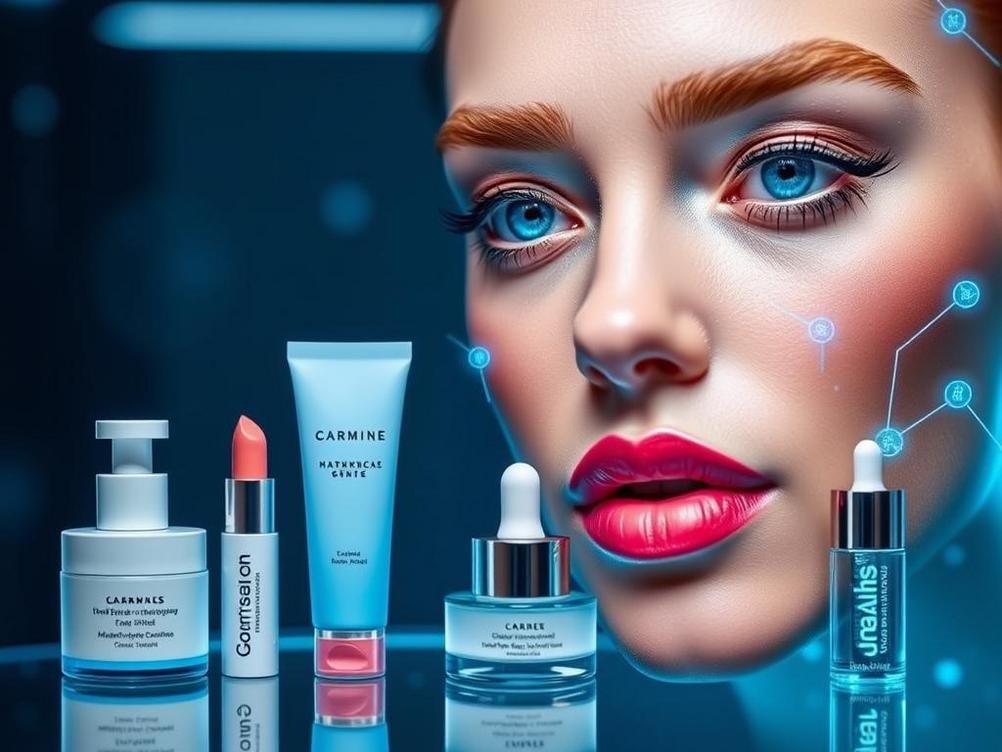
How Beauty Brands Are Leveling Up with AI for Smarter Gains
Okay, let’s kick things off with a little confession: I’ve always been a sucker for that perfect foundation shade that doesn’t make me look like a ghost under fluorescent lights. But lately, I’ve been geeking out over how beauty brands are ditching the guesswork and diving headfirst into AI. Picture this – your favorite lipstick or skincare line isn’t just slapped together anymore; it’s being fine-tuned by algorithms that could probably predict your next breakout before you even feel it coming. It’s like having a personal beauty guru in your pocket, minus the hefty salon price tag. This shift isn’t just a fad; it’s a game-changer, helping companies rake in gains by making products smarter, marketing sharper, and customer experiences way more personalized. Remember when AI was just that sci-fi stuff in movies? Well, fast-forward to 2025, and it’s everywhere in the beauty world, from virtual try-ons to tailored recommendations that actually hit the mark.
Think about it – we’re all scrolling through endless feeds of flawless influencers, wondering how they nail that glow every time. But here’s the twist: AI is the secret weapon behind those viral campaigns, helping brands like Sephora or L’Oréal crunch data to understand what you really want. It’s not about replacing human creativity; it’s about supercharging it. I mean, who wouldn’t want a system that analyzes your skin tone in real-time or suggests products based on your lifestyle? As someone who’s tried (and failed) at matching foundations more times than I’d like to admit, this tech feels like a breath of fresh air. And the best part? It’s driving real profits, with reports showing AI integrations boosting sales by up to 20% in some sectors. Yep, we’re talking cold, hard numbers that prove AI isn’t just hype – it’s helping beauty brands build a foundation for long-term success. So, buckle up, because in this article, we’re diving into how this tech is reshaping the industry, one pixelated palette at a time.
What Exactly is AI Bringing to the Beauty Table?
First off, let’s break down why AI is the new best friend for beauty brands. Imagine AI as that super-organized friend who remembers every detail about your preferences – except it’s a machine that never forgets and works 24/7. For brands, this means using AI to analyze massive amounts of data, like customer reviews, purchase histories, and even social media trends, to make smarter decisions. It’s not just about slapping a chatbot on a website; it’s about predictive analytics that can forecast which products will fly off the shelves.
Take a real-world example: Companies like Estée Lauder are using AI to personalize skincare routines. They’ve got tools that scan your face via your phone camera and recommend products tailored to your specific needs. It’s hilarious when you think about it – back in the day, we relied on magazine quizzes to figure out our skin type, and now we’ve got apps that do it in seconds. According to a 2024 study by McKinsey, AI-driven personalization can increase customer loyalty by 15-20%, which translates to more repeat business for these brands. So, if you’re a beauty junkie like me, this means saying goodbye to those impulse buys that end up collecting dust.
But here’s a fun twist: AI isn’t perfect. It can sometimes suggest a bright red lipstick for someone who only wears neutrals, which is like recommending a spicy curry to someone who prefers mild flavors. Still, the gains are undeniable, with brands saving time and money by automating routine tasks, allowing human experts to focus on the creative stuff.
Top AI Tools Making Waves in Beauty
If you’re curious about the gadgets and software powering this revolution, let’s chat about some cool AI tools. One standout is ModiFace, which is owned by L’Oréal (modiface.com). It’s an augmented reality app that lets you virtually try on makeup shades before buying. No more horror stories of ordering the wrong foundation online – it’s like having a magic mirror in your hand. Brands are integrating this into their e-commerce sites, and it’s a total game-changer for reducing returns.
Another gem is Perfect Corp’s YouCam Makeup app (perfectcorp.com), which uses AI to analyze your skin and suggest routines. I tried it once, and it nailed my dry spots better than my dermatologist. These tools aren’t just fun; they’re driving gains by boosting engagement. Stats from a 2025 report by Statista show that AI-powered virtual try-ons can increase conversion rates by up to 30% for online beauty retailers. It’s all about making shopping feel interactive and less risky, which keeps customers coming back.
- AI for inventory management: Tools like IBM Watson help predict stock needs based on trends, cutting down on waste.
- Chatbots for customer service: Brands like Sephora use them to answer questions instantly, freeing up staff for more complex queries.
- Sentiment analysis software: This scans social media to gauge public opinion, helping brands tweak products on the fly.
Real-Life Success Stories from the Beauty Aisle
Let’s get to the juicy part: actual examples of brands crushing it with AI. Take Ulta Beauty, for instance. They’ve rolled out AI recommendations on their app, suggesting products based on your past purchases and searches. It’s like having a personal shopper who knows your style inside out. This has led to a noticeable spike in sales, with Ulta reporting a 10% increase in online revenue last quarter alone, all thanks to these smart algorithms.
Then there’s the story of Fenty Beauty by Rihanna, which uses AI to ensure their inclusive shade ranges are spot-on. By analyzing global skin tone data, they’ve expanded their offerings, making everyone feel seen. It’s a smart move that not only drives loyalty but also creates buzz – who doesn’t love a brand that gets inclusivity right? Humorously, it’s like AI playing matchmaker between you and your perfect concealer. According to a Nielsen report, diverse product lines can boost brand perception by 20%, leading to higher profits.
One more anecdote: I recall reading about a small indie brand that used AI to analyze Instagram trends and launched a viral highlighter. They went from niche to mainstream in months, proving that AI isn’t just for giants. It’s accessible, and the gains can be huge if you play your cards right.
The Hilarious Hiccups and How to Handle Them
Of course, nothing’s perfect, and AI in beauty has its funny mishaps. Ever heard of an AI suggesting a bold eyeliner for a professional headshot? Yeah, that happened to a friend of mine, and it was a total facepalm moment. The point is, AI can sometimes miss the mark with cultural nuances or overgeneralize data, leading to awkward recommendations. But hey, that’s life – or in this case, machine learning in its early stages.
To overcome these, brands are investing in diverse datasets and human oversight. For example, Google’s AI ethics guidelines (ai.google.com) emphasize fairness, which beauty companies are adopting to avoid blunders. It’s all about balancing tech with real-world insight. Plus, when things go wrong, it’s a chance to laugh and learn, like when an AI-generated ad campaign went viral for all the wrong reasons. The gains come from iterating and improving, turning potential failures into wins.
- Start small: Test AI features with a pilot group to catch any funny errors.
- Train your AI: Use diverse data to make recommendations more accurate.
- Keep humans in the loop: Have experts review AI outputs for that personal touch.
Future Trends: What’s Next for AI in Beauty?
Looking ahead to 2026 and beyond, AI is only going to get more integrated into beauty. We’re talking about wearable tech that monitors your skin health in real-time or AI that creates custom formulas based on your DNA. It’s exciting, but also a bit wild – imagine an AI that not only picks your shade but also tells you when to moisturize based on the weather. Brands are already investing heavily, with projections from Gartner suggesting AI will account for 40% of beauty tech innovations by 2027.
One trend I’m eyeing is AI in sustainability. For instance, companies like The Body Shop are using AI to optimize supply chains, reducing waste and making eco-friendly choices easier. It’s not just about profits; it’s about doing good. And let’s not forget the fun side – AI-generated beauty filters that evolve with trends, keeping things fresh and engaging. If you’re a brand, jumping on this now could mean massive gains down the line.
Of course, as with any tech, there’s the ethical side. We need to ensure AI doesn’t widen inequalities, like favoring certain skin tones. But overall, the potential is endless, and it’s shaping up to be a beauty revolution we won’t want to miss.
Tips for Beauty Brands to Jump on the AI Bandwagon
If you’re running a beauty brand and feeling a bit overwhelmed, don’t sweat it. Start by auditing your data – what insights can you pull from customer interactions? Tools like Google Analytics can help track trends without breaking the bank. Then, experiment with simple AI integrations, like chatbots for customer service. It’s like dipping your toe in before diving into the deep end.
Here’s a pro tip: Collaborate with AI experts or use platforms like IBM Watson (ibm.com/watson) to get started. They’ve got pre-built solutions that make it easier for smaller brands to scale. And remember, humor helps – when things don’t go as planned, share a laugh on social media to build authenticity. The gains from AI are there for the taking, as long as you approach it with a mix of caution and curiosity.
- Invest in training: Educate your team on AI basics to avoid missteps.
- Measure results: Track metrics like engagement and sales to see what’s working.
- Stay ethical: Always prioritize user privacy and inclusivity.
Conclusion
Wrapping this up, it’s clear that AI is laying a solid foundation for beauty brands to not just survive but thrive in a competitive market. From personalized recommendations to smart marketing, the gains are real and measurable, making everything from product development to customer interactions a whole lot smoother. As we’ve explored, there’s a fun, human element to all this tech – it’s not about replacing creativity but enhancing it. So, whether you’re a big player like L’Oréal or a startup, embracing AI could be your ticket to standing out in 2025 and beyond.
If there’s one thing to take away, it’s this: Don’t be afraid to experiment and learn from the occasional glitch. The beauty industry is evolving, and AI is at the heart of it. Who knows? Your next big innovation might just be a click away, leading to gains that make your brand shine brighter than ever. Here’s to smarter beauty – let’s make it happen!