dailytech.ai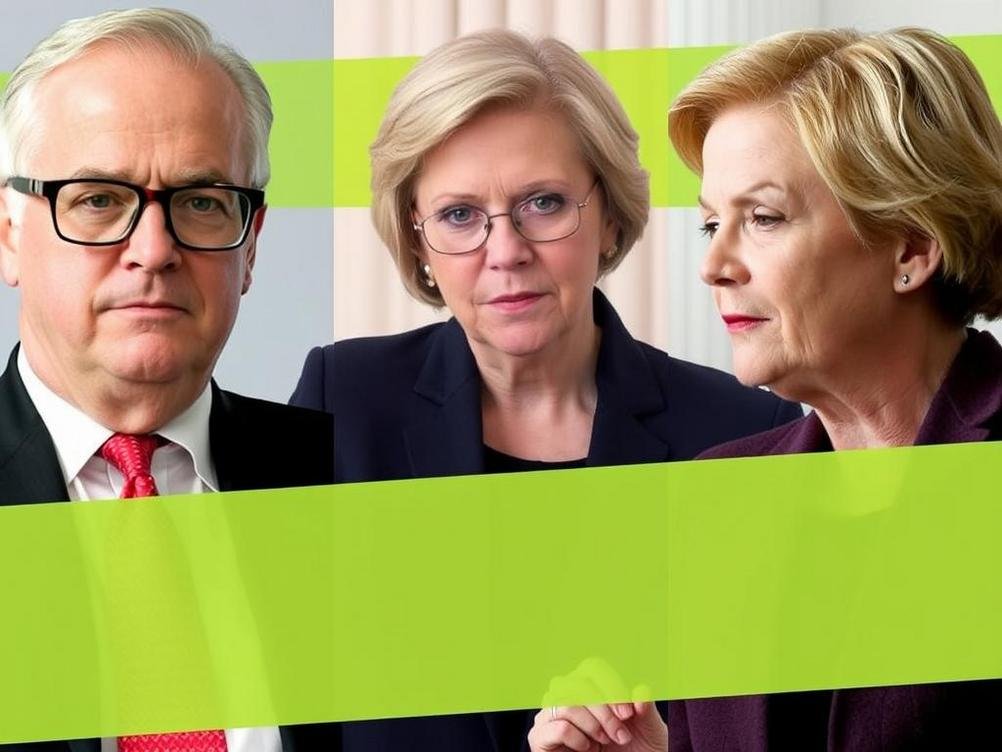
Why Bipartisan Bigwigs Are Losing It Over AI Regulation – From Bannon to Warren and Beyond
Imagine this: you’re at a family dinner, and suddenly your ultra-conservative uncle and your progressive aunt start yelling about the same thing for once. That’s basically what’s happening in Washington right now with AI regulation. We’ve got folks like Steve Bannon, the firebrand conservative known for shaking things up, and Elizabeth Warren, the no-nonsense senator who’s always got an eye on big tech, joining forces in a rare bipartisan freakout. It’s all over a push to stop states from putting their own rules on AI, and honestly, it’s kind of hilarious how something as wonky as tech policy can get everyone’s blood boiling. But hey, AI isn’t just some fancy gadget anymore—it’s everywhere, from your phone’s recommendations to decisions about loans or even healthcare. So, why are these unlikely allies teaming up? Well, it boils down to fears of unchecked power, potential biases, and the wild west of innovation. Think about it: if the feds swoop in and block states from making their own calls, could that lead to a one-size-fits-all mess that ignores local needs? Or is it a smart way to avoid a patchwork of laws that could stifle progress? As we dive into this drama, I’ll break it down in a way that doesn’t make your eyes glaze over—promise. We’ll explore the backlash, the players, and what it means for everyday folks like you and me. By the end, you might just find yourself picking a side in this AI tug-of-war.
What’s All the Fuss About Anyway?
You know how everyone’s always talking about AI like it’s the next big thing, but no one can agree on how to handle it? Well, this whole brouhaha started with a proposal to limit states’ rights to regulate AI on their own turf. Picture the federal government saying, “Hey, we’ve got this under control,” while states like California or New York are like, “Wait a minute, we’ve got our own problems to deal with.” The backlash isn’t just partisan sniping; it’s got real stakes. For instance, if AI algorithms are making decisions that affect jobs, privacy, or even public safety, shouldn’t the folks closest to the ground get a say? Advocates argue that blocking state-level rules could lead to a regulatory vacuum, where tech giants run wild without oversight.
Let’s not forget the humor in this—it’s like watching cats and dogs team up against a common enemy. Steve Bannon, who’s no stranger to controversy, has called out the move as an overreach that could hurt American innovation, while Elizabeth Warren sees it as a giveaway to Big Tech. And here’s a fun fact: according to a recent report from the Brookings Institution, over 30 states have already proposed or passed AI-related bills in the last year alone. That’s a lot of local flavor potentially getting squashed. To put it in perspective, think of AI regulation like traffic laws—sure, there are national speed limits, but would you want the same rules for a sleepy country road as for a bustling city highway? Probably not. This pushback is a wake-up call that AI isn’t just a federal playground.
- First off, the core issue is about federal preemption, where national laws could override state ones, making it harder for places like Illinois to enforce rules on AI in hiring practices.
- Then there’s the economic angle—states worry that without their input, AI could exacerbate inequalities, like automating jobs in rural areas without proper safeguards.
- And don’t overlook the innovation side; some experts fear that too much red tape could slow down breakthroughs, similar to how overly strict regulations hampered early internet growth.
The Odd Couple: Key Players in This AI Showdown
If this were a movie, Steve Bannon and Elizabeth Warren would be the unlikeliest duo since, say, oil and water. Bannon, with his “America First” vibe, is all about protecting domestic interests and sees AI regulation as a threat to U.S. competitiveness. On the flip side, Warren’s been hammering away at consumer protection, arguing that without state-level checks, AI could run rampant and screw over everyday people—think biased algorithms in lending or hiring that discriminate based on race or gender. What’s wild is how their paths crossed on this issue, showing that AI doesn’t play by party lines.
I mean, can you imagine Bannon and Warren at a debate? It’d be like a comedy sketch. Bannon might quip about how AI is just another way for elites to control the masses, while Warren counters with stats on how unregulated AI could cost jobs—we’re talking potentially millions, as per a World Economic Forum report predicting 85 million jobs could shift by 2025. These two aren’t alone, either; other lawmakers from both sides, like Republican senators and Democratic reps, are jumping in, making this a full-blown spectacle. It’s refreshing, in a way—politics often feels so divided, but here’s a topic uniting them.
- Steve Bannon: He’s framed this as a sovereignty issue, arguing that states should have the power to tailor AI rules to their economies.
- Elizabeth Warren: She’s pushing for stronger oversight, pointing to examples like facial recognition tech that’s been misused in places like New York City.
- Other players: Groups like the Electronic Frontier Foundation are chiming in, advocating for balanced approaches that protect rights without killing innovation.
Why States Are Desperate to Keep Their AI Reins
Here’s the thing: states aren’t just being stubborn; they’ve got good reasons to want in on AI regulation. Take California, for example—it’s a tech hub, but it’s also seen the downsides, like privacy breaches from apps that track your every move. If the feds block state efforts, it could mean a free-for-all where AI companies dodge accountability. States argue that their diverse needs demand custom rules; after all, what works in tech-savvy Silicon Valley might not fly in agricultural heartlands.
It’s like trying to fit a square peg in a round hole—one size doesn’t fit all. For instance, New York has laws targeting AI in financial services to prevent discrimination, and if that’s preempted, we could see more cases like the one in 2023 where an AI hiring tool was found to favor certain demographics. Humor me here: imagine if every state had to follow the same diet plan—ridiculous, right? States want flexibility to address local issues, and this backlash is their way of saying, “Hey, don’t take away our toolbox.”
- Pros of state regulation: It allows for quicker responses to emerging threats, like deepfakes in elections, which have already caused headaches in places like Georgia.
- Cons: It could create a confusing patchwork, making it harder for businesses to operate nationally, as some companies have complained.
- Real-world insight: Studies from organizations like the AI Now Institute show that state-level rules have already curbed misuse in areas like automated decision-making.
The Clash: National Oversight vs. State Power Plays
Now, let’s get into the nitty-gritty—is federal control the villain here, or is it the hero? Proponents of blocking state regulations say it’d streamline things, preventing a hodgepodge that could scare off investors. But critics, including our bipartisan duo, worry that it centralizes too much power, potentially letting Washington bureaucrats call the shots without understanding local nuances. It’s a classic David vs. Goliath story, with states as the underdogs.
Think about it this way: federal rules might be like a big net that catches everything, but it could also smother the little fish. Data from the Federal Trade Commission shows that AI complaints have skyrocketed, yet state attorneys general have been quicker to act in some cases. This tension isn’t new—it’s reminiscent of environmental regs, where states like California led the charge before federal standards caught up.
What’s at Stake for AI’s Future?
If this backlash succeeds, it could reshape how AI evolves, pushing for more decentralized oversight that encourages ethical development. On the flip side, if states lose out, we might see faster innovation but at the cost of safeguards, like the kind that could prevent AI from amplifying misinformation during elections.
It’s no joke—we’re talking about tools that could redefine work, healthcare, and even creativity. For example, AI in medicine has huge potential, but without proper checks, it could lead to errors, as seen in some early diagnostic algorithms that missed key factors.
What This Means for You and Me
At the end of the day, this isn’t just political theater—it affects how AI touches your life, from job security to online privacy. If states can’t regulate, you might face more invasive ads or biased services without recourse.
So, stay informed and maybe even get involved; after all, who knows when AI will impact your world next? It’s a reminder that technology doesn’t exist in a vacuum.
Conclusion
As we wrap this up, it’s clear that the bipartisan backlash over AI regulation is more than just noise—it’s a pivotal moment that could define how we balance innovation and protection. From Bannon’s conservative pushback to Warren’s consumer-focused fight, this issue highlights the need for thoughtful, inclusive policies. Let’s hope it leads to smarter rules that keep AI in check without stifling its potential. After all, in a world where AI is everywhere, getting this right could make life a whole lot better—or a whole lot weirder. Keep an eye on it, folks; your future might depend on it.