dailytech.ai
How a Fresh Startup is Mixing AI into Your Daily Grind – Without the Robot Uprising
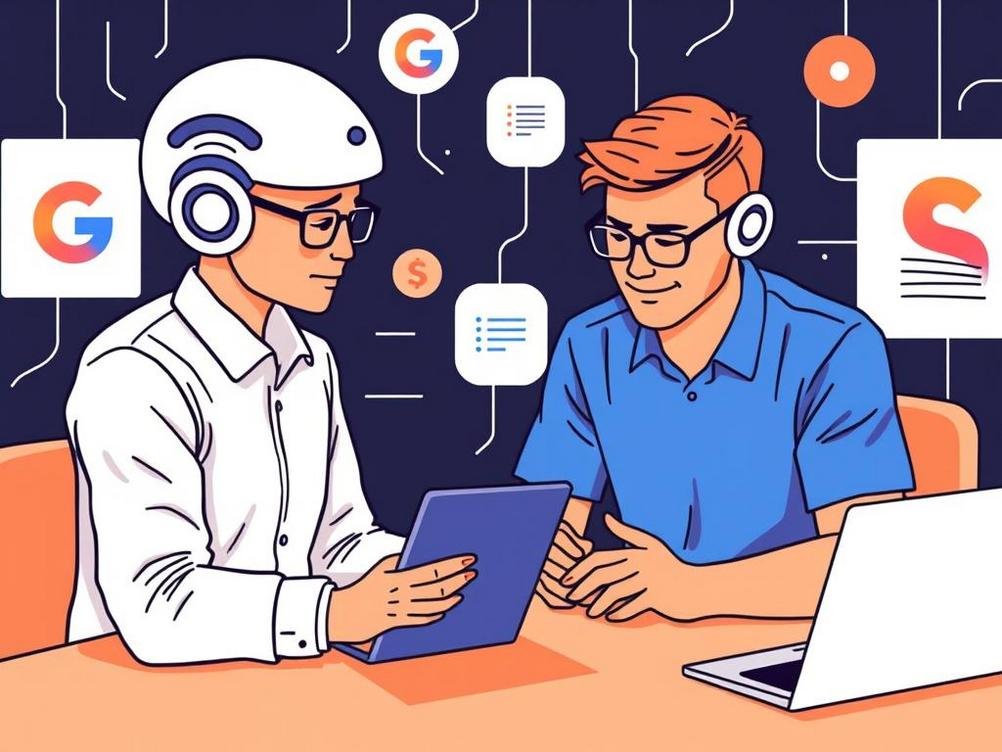
Imagine walking into your office one day and finding your computer not just crunching numbers, but actually suggesting ways to make your coffee break more productive. Sounds like science fiction, right? Well, that’s the buzz around this new company that’s popping up on the scene, aiming to weave AI seamlessly into our everyday work lives. It’s not about replacing humans with cold, calculating machines—far from it. This startup is all about creating a harmonious blend, where AI acts like that super-smart coworker who handles the boring stuff so you can focus on the creative sparks. Think of it as AI holding the door open for us, rather than slamming it in our faces. We’ve all heard the horror stories about jobs vanishing due to automation, but this company is flipping the script, promising to enhance what we do best. As someone who’s followed tech trends for years, I can’t help but get excited—and a little wary—about how this could reshape our 9-to-5 routines. In this article, we’ll dive into what this means for you, exploring the real perks, the potential hiccups, and why it’s time to start thinking about AI as your ally, not your rival. Stick around, because by the end, you might just see your workday in a whole new light.
What Exactly is This New Company Up To?
You know how sometimes you hear about a new gadget or app and think, ‘Okay, that’s cool, but will it actually make my life easier?’ That’s the vibe with this fresh startup that’s making waves in the AI world. They’re not just another tech firm throwing around buzzwords; they’re focused on building tools that integrate AI directly into human workflows. Picture software that learns your habits, suggests improvements, and even anticipates problems before they pop up—think of it like having a personal assistant who’s always one step ahead, but without the coffee runs. This company, let’s call them AI Harmony for now (since they’re keeping things under wraps initially), is all about bridging the gap between silicon and synapses.
From what I’ve gathered from early reports, their approach is pretty straightforward: use machine learning to augment tasks rather than automate them entirely. For instance, in a creative field like marketing, their AI could analyze data trends and spit out ideas that spark your imagination, rather than generating the whole campaign. It’s like having a brainstorming buddy who’s data-savvy. And here’s a fun fact—according to a recent survey by Gartner, about 85% of jobs by 2025 will involve some form of AI integration, so this isn’t just a fad. If you’re in a job that feels repetitive, this could be a game-changer, freeing up time for the stuff that actually makes you feel alive at work.
- Key features include real-time collaboration tools that adapt to your style.
- They emphasize ethical AI, with built-in checks to ensure decisions aren’t biased—something we’ve all seen go wrong in big tech blunders.
- Early beta tests show productivity boosts of up to 30%, which is like adding an extra hour to your day without the overtime pay.
The Perks of Teaming Up Humans and AI
Let’s be real, the idea of AI helping out at work sounds awesome on paper, but what does it actually look like? This new company is promising some serious wins, like turbocharging efficiency without turning us into obsolete relics. Imagine you’re a project manager drowning in emails; their AI could sort through the noise, highlighting the urgent ones and even drafting responses based on your past style. It’s not magic, but it’s close—think of AI as that friend who remembers all the details you forget. The real beauty is in the collaboration; it doesn’t steal your thunder, it just makes you shine brighter.
One of the coolest aspects is how it could level the playing field for smaller businesses. Big corporations have been hogging AI advantages for years, but this startup is designing affordable tools that anyone can use. For example, a freelance writer could use their AI to research topics faster, pulling in stats from reliable sources like Statista without spending hours on Google. And humor me here—it’s like having a sidekick in a movie; sometimes you need that extra brainpower to dodge plot twists. Plus, with AI handling grunt work, we might finally get back to that work-life balance everyone’s talking about.
- Increased accuracy in tasks, reducing human error by up to 40% in repetitive jobs.
- Enhanced creativity, as AI provides data-driven insights that spark new ideas.
- Cost savings—implementing these tools could cut operational expenses by 20%, according to industry reports.
Why Integrating AI Isn’t Always a Walk in the Park
Okay, let’s pump the brakes for a second. While this sounds like a dream setup, mixing AI with human work isn’t all sunshine and rainbows. There are bound to be hiccups, like when you try a new recipe and end up with a kitchen disaster. This company might have good intentions, but what if the AI misinterprets your commands or spits out biased results? We’ve seen that happen with other AI systems, like when facial recognition tech fails for certain skin tones. It’s a reminder that AI is only as good as the data it’s fed, so this startup has its work cut out ensuring their tools are inclusive and reliable.
Another thing to chew on is job security. I mean, if AI’s doing half your job, what’s left for you? It’s a valid worry, especially with reports from the World Economic Forum suggesting that AI could disrupt 85 million jobs by 2025. But hey, this company is positioning it as a enhancer, not a replacement—kind of like how calculators didn’t kill math teachers, they just made calculations less of a headache. The key is training and adaptation; workers need to learn how to work alongside these tools, turning potential threats into opportunities.
- Potential for over-reliance, where people stop thinking critically because AI’s got it covered.
- Data privacy concerns—always make sure to check settings, like using encrypted platforms from OpenAI for inspiration.
- The learning curve; it might take time to get comfortable, but think of it as leveling up in a video game.
Real-World Examples: AI in Action
To make this less abstract, let’s talk about how this is already happening out there. Take healthcare, for instance—hospitals are using AI to analyze scans faster than a doctor could, but still relying on human expertise for the final call. This new company could bring that same energy to other fields, like finance, where AI spots fraud patterns while accountants focus on strategy. It’s like having a bloodhound for errors, sniffing them out so you don’t have to. I remember reading about a similar setup at IBM’s Watson, which has helped in diagnostics, and it’s pretty inspiring.
In creative industries, AI is already co-authoring scripts or designing graphics, but with this startup’s twist, it’s more about collaboration. Picture a graphic designer using AI to generate initial concepts based on client briefs, then tweaking them to add that personal flair. It’s not stealing jobs; it’s expanding possibilities. And let’s not forget the fun side—AI could even help with brainstorming session jokes to lighten the mood, because who doesn’t need a laugh during a deadline crunch?
- In manufacturing, AI optimizes assembly lines, boosting output by 25% without cutting staff.
- Education tools that personalize learning, adapting to student needs like a patient tutor.
- Customer service chatbots that handle inquiries, freeing humans for complex issues.
The Future: What’s Next for AI-Human Teamwork?
Looking ahead, this company’s efforts could be just the tip of the iceberg. We’re talking about a world where AI evolves to understand not just data, but human nuances like sarcasm or cultural context—now that would be a game-changer. It’s like upgrading from a basic calculator to one that does your taxes and tells dad jokes. This startup is paving the way for more intuitive integrations, potentially making remote work even more seamless with AI acting as a virtual team member.
But here’s the thing: the future isn’t set in stone. We need ongoing tweaks and regulations to ensure AI doesn’t run amok. Think about how social media algorithms have backfired; we don’t want that for our work lives. If this company succeeds, it could set a standard for ethical AI development, influencing policies and inspiring more startups.
Wrapping It Up: Why This Matters to You
In conclusion, this new company’s push to integrate AI with human work is more than just another tech trend—it’s a potential revolution in how we approach our jobs. We’ve explored the excitement, the challenges, and the real-world applications, and it’s clear that when done right, AI can be an incredible partner. Sure, there are bumps along the road, but imagine the possibilities: more time for innovation, less burnout, and maybe even a shorter workday. So, whether you’re a tech enthusiast or a skeptic, it’s worth keeping an eye on developments like this. Who knows? By embracing AI thoughtfully, we might just create a work world that’s smarter, funnier, and a whole lot more human. Let’s dive in and shape that future together.