dailytech.ai
Bridging the Great AI Divide: How Geography and Generations Shape Our Digital Lives
Ever feel like you’re living in a sci-fi movie where AI is everywhere for some folks, but you’re still struggling to get your smart fridge to stop ordering pizza on its own? Well, you’re not alone—and it’s not just about tech glitches. A recent dive into some eye-opening research from organizations like OECD and Cisco shows that AI isn’t playing fair across the globe or even within families. We’ve got stark divides based on where you live and how old you are, affecting everything from job opportunities to how chilled out we feel in our digital worlds. Imagine grandparents in rural areas scratching their heads at AI tools while city kids are breezing through apps like it’s second nature. That’s the kind of stuff we’re unpacking here, and it’s a wake-up call for all of us.
This research isn’t just dry stats; it’s a mirror reflecting how AI uptake—that’s basically how quickly and widely people are adopting AI tech—is tied to digital well-being. You know, that fuzzy feeling of being connected without feeling overwhelmed. We’re talking about real-world impacts: some regions are zooming ahead with AI integration, boosting economies and personal lives, while others lag behind, leading to inequality and even stress. As someone who’s seen friends in big cities effortlessly use AI for everything from shopping to mental health apps, and then chatted with family in quieter spots who barely touch a smartphone, I get it—it’s not just about access; it’s about confidence and relevance. In this article, we’ll explore what the research reveals, why these divides matter, and what we can do to level the playing field. Stick around, because by the end, you might just feel inspired to bridge your own AI gap.
What the Research is All About
Okay, let’s kick things off with the basics: the OECD and Cisco teamed up for this study, and it’s like they hit the jackpot on uncovering how AI isn’t the great equalizer we hoped it would be. Picture this—they surveyed thousands of people across different countries, crunching numbers on AI adoption rates, and boom, patterns emerged. It’s not rocket science, but it shows that while AI is hyped as the future, not everyone’s invited to the party. For instance, urban areas in developed nations are gobbling up AI tools left and right, with stats suggesting that up to 70% of folks in places like New York or Tokyo use AI daily for work or fun. Meanwhile, rural spots in developing regions? We’re looking at figures as low as 20%, leaving a massive gap.
What’s driving this? It’s a mix of infrastructure, education, and even cultural vibes. Think about it: if you’re in a city with blazing-fast internet and AI workshops at your local library, you’re way more likely to dive in. But if you’re in a remote village where the net is spotty and tech feels foreign, it’s a whole different story. The research highlights how this isn’t just about gadgets; it’s about digital well-being, which includes feeling secure online and not getting burned out from tech overload. And here’s a fun fact—or not so fun—some studies link poor AI access to higher stress levels, like how folks without it might miss out on AI-powered health apps that could track fitness or mental health. We’ve all got that one friend who’s obsessed with their AI fitness coach; imagine not even having that option.
- Key takeaway: AI uptake isn’t uniform, with data showing divides based on economic development and tech availability.
- Real-world example: In Europe, countries like Germany lead with high AI integration, while parts of Africa struggle with basic digital access.
- Why it matters: These gaps can widen inequality, making it harder for some communities to catch up.
The Geographical Angle: Why Location Matters More Than You Think
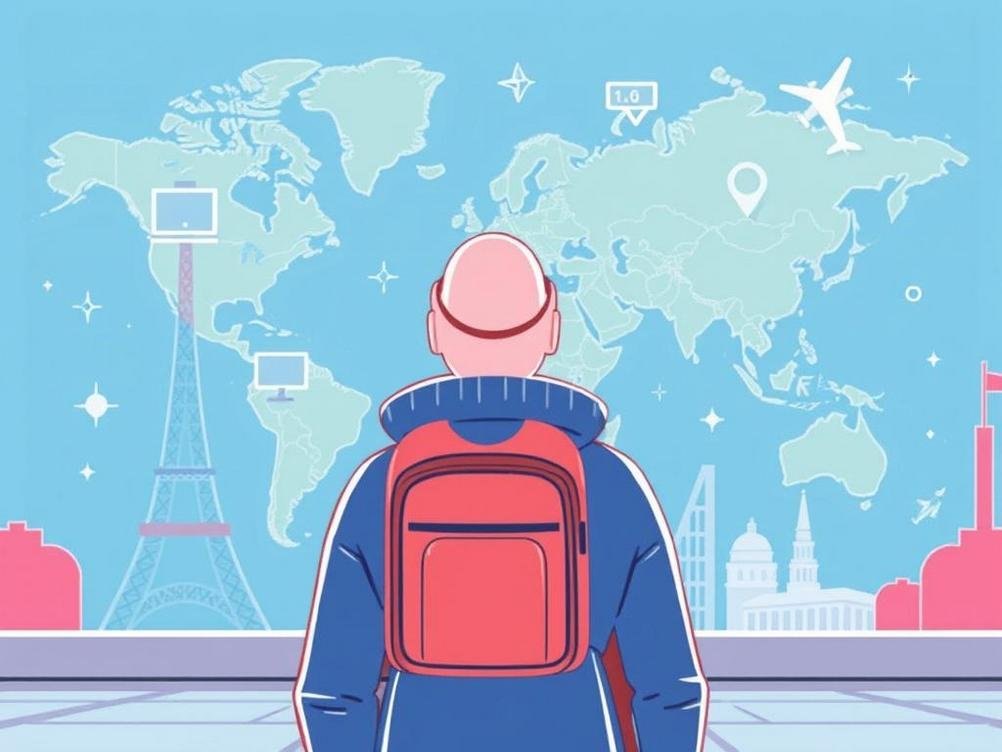
Alright, let’s zoom out and look at the map—because where you hang your hat plays a huge role in AI adoption. The research paints a vivid picture: wealthier, more connected regions are AI hotspots, while others are left in the dust. It’s like trying to join a video call from a mountaintop with no signal—frustrating and isolating. For example, in North America and parts of Asia, AI is woven into everyday life, from smart homes to automated shopping, boosting productivity and even happiness for users. But flip to sub-Saharan Africa or remote parts of South America, and you’re dealing with limited internet and scarce devices, meaning AI feels more like science fiction than reality.
This geographical divide isn’t just about wires and waves; it’s impacting economies and societies. Stats from the report suggest that areas with high AI uptake see economic growth spurts of up to 15%, thanks to AI-driven jobs and innovations. On the flip side, low-adoption zones face stunted development, with people missing out on opportunities like online education or remote work. It’s almost comical how a simple thing like location can turn AI from a helper into a barrier. I remember visiting a friend in a rural town who couldn’t even stream a basic AI tutorial because of poor connectivity—it’s like being invited to a party but told to stay outside.
- Examples of divides: Urban China versus rural India, where the former has widespread AI in healthcare, and the latter relies on basic tech.
- Potential fixes: Governments could invest in rural infrastructure, like expanding broadband, to close these gaps.
- Humor twist: It’s like AI is the cool kid at school—everyone wants to hang out, but not everyone gets an invite based on their zip code.
Generational Gaps: Why Boomers and Zoomers See AI Differently
Now, shift gears to age—because let’s face it, not everyone grew up with AI as their playground. The research highlights how younger generations, like Gen Z and Millennials, are AI naturals, while older folks often view it with suspicion or confusion. It’s like watching a kid teach their grandma to use a smartphone—endearing at first, but it underscores a real divide. Data shows that under-30s are adopting AI at rates over 80%, using it for everything from social media filters to job hunting, which boosts their digital well-being by making life more efficient and fun.
But for older generations, it’s a mixed bag. They’ve got legitimate concerns about privacy, job loss, or just plain overload, with uptake as low as 40% in some age groups. This isn’t just about learning curves; it’s about how AI affects well-being, like causing anxiety over misinformation or feeling left behind. A metaphor: It’s as if AI is a high-speed train, and while the young are riding it comfortably, seniors are watching from the station, wondering if it’s worth the risk. The research points to this as a key factor in digital divides, with potential for isolation if not addressed.
- Generational stats: Millennials report 60% better digital satisfaction with AI, compared to 30% for Baby Boomers.
- Bridging ideas: Programs like online courses or family tech sessions can help ease the transition.
- Light-hearted take: If AI were a family dinner, the kids would be chatting away with the robot waiter, while the elders are still figuring out the menu.
How These Divides Hit Digital Well-Being
Dive deeper, and you’ll see that these gaps aren’t just numbers—they’re messing with our mental and emotional health. Digital well-being is all about balancing tech use without burning out, and the research shows AI divides are amplifying stress. In high-adoption areas, people enjoy perks like AI therapy apps that help manage anxiety, but elsewhere, the lack of access leads to feelings of inadequacy or exclusion. It’s like being on a diet of junk food when others are feasting on superfoods—you know it’s not great, but what can you do?
For instance, in regions with strong AI uptake, workers use tools to automate mundane tasks, freeing up time for hobbies and relaxation. But in low-access spots, the digital divide means more manual labor and less downtime, leading to burnout. The study cites examples where geographical and generational factors correlate with higher reports of tech-related stress, with one survey showing 50% of older adults feeling overwhelmed by AI news. It’s a reminder that well-being isn’t just about having tech; it’s about using it wisely.
- Real impacts: AI can enhance mental health through apps like Headspace, but only if you’re connected.
- Statistics: Up to 45% of people in divided regions report lower life satisfaction due to tech gaps.
- Personal insight: I’ve seen how my tech-savvy friends use AI to unwind, versus my parents who avoid it altogether.
Steps We Can Take to Close the Gaps
Enough doom and gloom—let’s talk solutions, because sitting around won’t fix anything. The research from OECD and Cisco isn’t just pointing fingers; it’s suggesting ways to bridge these divides, like boosting education and infrastructure. Imagine if we treated AI access like clean water—essential and available to all. Governments and companies could roll out programs to train older generations or expand internet in remote areas, making AI less of a luxury and more of a norm.
One cool idea is community hubs where people learn AI hands-on, turning skeptics into enthusiasts. For example, in some countries, initiatives like free coding camps have cut generational gaps by half in just a few years. It’s about making tech fun and relatable, not intimidating. And hey, with a bit of humor, we can poke fun at our own tech mishaps to ease the learning curve—who hasn’t accidentally asked Siri for the wrong thing?
- Actionable steps: Start with local workshops or online resources like Coursera for AI basics.
- Broader changes: Policymakers need to prioritize digital equity, perhaps by subsidizing devices in underserved areas.
- Why it works: These efforts can lead to a 20-30% increase in AI uptake, per similar studies.
Looking Ahead: The Bigger Picture
As we wrap up this exploration, it’s clear that the AI divides highlighted in the research are more than just trends—they’re shaping our future. We’re on the cusp of an AI-driven world, but if we don’t address these gaps, we risk leaving millions behind. It’s like building a bridge but only halfway—exciting for some, useless for others. The good news? With collective effort, we can make AI a tool for everyone, enhancing well-being across the board.
In the coming years, expect more innovations that tackle these issues, like affordable AI devices or global education pushes. But it’s on us to stay engaged and adaptive. So, whether you’re a digital native or just dipping your toes in, let’s keep the conversation going—because a connected world is a happier one.
Conclusion
To sum it up, the OECD-Cisco research shines a light on the geographical and generational divides in AI uptake and digital well-being, reminding us that tech progress isn’t automatic for all. We’ve seen how location and age create barriers, but also how simple steps can start to tear them down. It’s inspiring to think about the potential: a world where AI empowers everyone, reducing inequality and boosting our daily lives. Let’s not wait for the future—let’s build it together, one click at a time. Who knows, maybe you’ll be the one helping your neighbor master AI and feel a bit more at ease in this digital age.