 dailytech.ai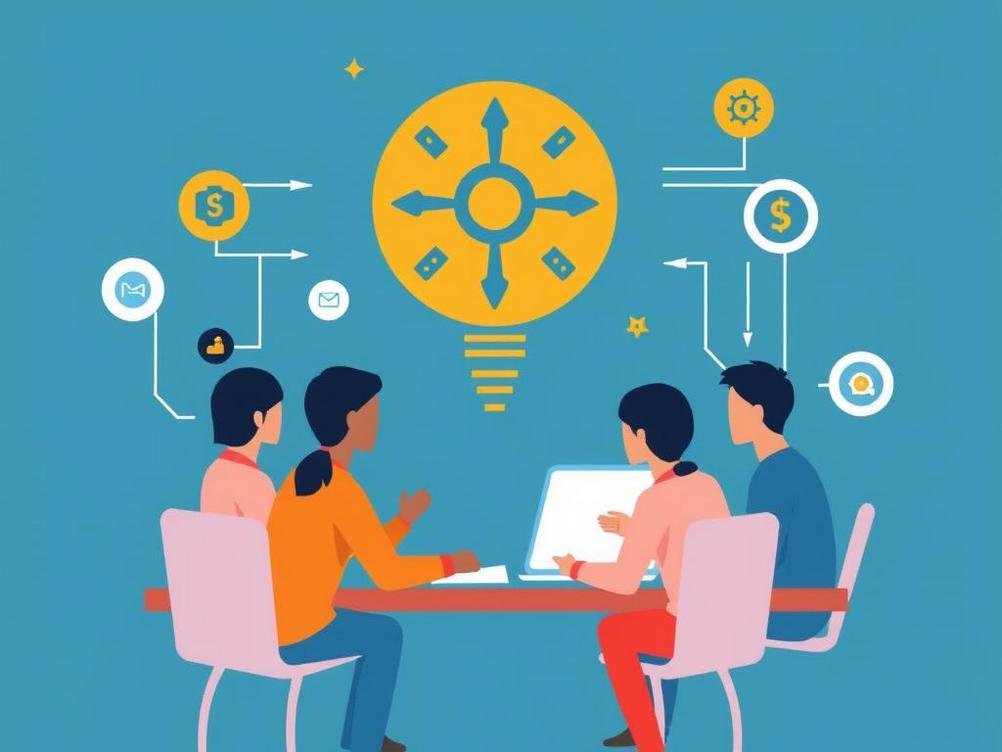
Building an AI-Powered Team: Why Training and Trust Are Your Secret Weapons
Imagine walking into your office one day, and instead of the usual buzz of keyboards clacking and coffee machines humming, there’s this subtle whir of algorithms crunching data in the background. AI is no longer just a sci-fi dream—it’s infiltrating our workplaces faster than you can say “machine learning.” But here’s the kicker: slapping some fancy AI tools into your team’s toolkit isn’t enough. Nope, to truly harness this tech beast, you’ve got to build a culture around it that screams training and trust. Think about it—would you hand over the keys to a Ferrari to someone who’s never driven before? Exactly. Without proper training, your employees might end up crashing and burning, metaphorically speaking. And trust? That’s the glue that keeps everything from falling apart. In a world where AI can predict market trends or automate tedious tasks, fostering a workforce culture that embraces these changes is crucial. It’s not just about efficiency; it’s about empowering people to work alongside machines without feeling like they’re being replaced by them. I’ve seen companies dive headfirst into AI adoption only to face resistance from staff who fear for their jobs or simply don’t understand how to use the new gadgets. That’s where training steps in, turning skeptics into superusers, and trust ensures everyone feels secure in this evolving landscape. So, let’s dive deeper into why an AI-enabled workforce isn’t just about the tech—it’s about the people behind it, and how training and trust can make or break your success story.
The Rise of AI in the Workplace: What’s All the Fuss About?
AI has been making waves in the business world for a while now, but 2025 feels like the year it’s really hitting its stride. From chatbots handling customer service to predictive analytics forecasting sales, AI is everywhere. But let’s be real—it’s not all sunshine and rainbows. A recent study by McKinsey showed that companies integrating AI see up to 40% productivity boosts, but only if their teams are on board. Without that, you’re just throwing money at shiny toys that collect digital dust.
Picture this: Your marketing team gets a new AI tool that analyzes consumer behavior. Sounds great, right? But if no one knows how to interpret the data or integrate it into strategies, it’s useless. That’s why understanding the hype is step one. AI isn’t here to steal jobs; it’s here to augment them, making us humans focus on the creative, strategic stuff that machines can’t touch. Yet, the fuss comes from the fear factor—will AI make me obsolete? Spoiler: Not if you adapt.
Why Training Isn’t Just a Checkbox—It’s Your Lifeline
Okay, let’s talk training. It’s not about those boring mandatory sessions where everyone zones out. Real training for an AI-enabled workforce means hands-on, practical stuff that sticks. Start with the basics: What is AI? How does it work in our daily tasks? From there, ramp up to specialized courses on tools like TensorFlow or even simple no-code platforms. I’ve chatted with folks who’ve gone through these programs, and they come out feeling like superheroes, ready to tackle data like it’s no big deal.
But here’s where it gets fun—make training engaging! Gamify it with challenges or team competitions. Who can optimize a workflow the fastest using AI? Throw in some humor, like memes about AI taking over the world, to lighten the mood. And don’t forget ongoing education; AI evolves quicker than fashion trends, so yearly refreshers are a must. A Gartner report from 2024 highlighted that organizations investing in continuous learning see 2.5 times higher employee retention. It’s not just about skills; it’s about keeping your team excited and invested.
One real-world example? Look at Google—they’ve got internal AI academies where employees learn at their own pace. It’s not stiff; it’s flexible, allowing people to balance work and upskilling. If your company skimps on this, you’re setting up for failure. Training builds confidence, and confident teams innovate like crazy.
Trust: The Invisible Force Holding It All Together
Trust might sound fluffy, but in an AI world, it’s hardcore essential. Employees need to trust that AI won’t sideline them, and leaders need to trust their teams to use it responsibly. Building this starts with transparency—explain why you’re adopting AI, how it benefits everyone, and address the elephant in the room: job security. I’ve seen managers dodge these talks, and it backfires spectacularly, leading to morale dips and turnover.
Think of trust like a bridge; without it, you’re not crossing to the other side. Encourage open forums where staff can voice concerns. “Hey, will this AI bot replace my role?” Answer honestly: “No, it’ll free you up for bigger things.” Pair that with success stories—share how AI helped a colleague close a deal faster. According to a 2025 Deloitte survey, 75% of workers in trusting environments report higher job satisfaction. It’s all about creating that psychological safety net.
And let’s add a dash of humor: Remember when everyone freaked out about computers in the 80s? Same vibe with AI. Reassure your team that it’s a tool, not a terminator. Foster trust through small wins, like pilot programs where AI assists without overhauling everything overnight.
Overcoming Common Roadblocks in AI Adoption
Every rose has its thorns, and AI adoption is no exception. One big roadblock? Resistance to change. People get comfy in their routines, and AI shakes that up. Combat this by involving everyone early—form cross-functional teams to evaluate tools. It’s like crowd-sourcing your AI strategy, making folks feel ownership.
Another hurdle: Data privacy fears. With AI gobbling up info, employees worry about Big Brother vibes. Address this head-on with clear policies and training on ethical AI use. For instance, use anonymized data and comply with regs like GDPR. A funny aside: If AI knows more about your coffee habits than your spouse, that’s a red flag—keep it in check!
Budget constraints can also trip you up. Not every company has deep pockets for fancy training. Solution? Free resources abound—check out Coursera’s AI courses (coursera.org) or Google’s free AI essentials. Start small, scale up, and watch the ROI roll in.
Real-Life Success Stories: Companies Getting It Right
Let’s get inspired by the pros. Take IBM—they’ve been all-in on AI for years, with their Watson platform. But what sets them apart? Massive investment in employee training via their Think Academy. Employees trust the process because it’s collaborative, leading to innovations like AI-driven HR solutions. Their retention rates? Sky-high.
Or consider Amazon, where AI powers everything from recommendations to logistics. They foster trust by being upfront about AI’s role and providing upskilling programs. Fun fact: Their Upskilling 2025 pledge aims to train 100,000 employees for free by next year. It’s not just talk; it’s action that builds a loyal, AI-savvy workforce.
Smaller players too— a startup I know used AI for content creation and trained their writers on tools like Jasper. Instead of fear, there was excitement, turning potential skeptics into advocates. These stories show that with training and trust, AI becomes a booster rocket, not a wrecking ball.
Practical Tips to Kickstart Your AI Culture Shift
Ready to roll up your sleeves? Here’s a quick list to get started:
- Assess your current setup: Survey your team on AI knowledge and attitudes.
- Choose user-friendly tools: Start with something simple like Microsoft Copilot.
- Design tailored training: Mix online modules with in-person workshops.
- Build trust rituals: Regular check-ins and transparent comms.
- Measure success: Track metrics like productivity and employee feedback.
Don’t overwhelm—phase it in. Begin with one department, learn from hiccups, then expand. And hey, inject some fun: AI-themed team-building events, anyone? Like a hackathon where teams build silly bots.
Remember, this isn’t a one-and-done; it’s an ongoing journey. Adapt as AI tech advances, and keep the human element front and center.
Conclusion
Wrapping this up, building an AI-enabled workforce culture boils down to two magic ingredients: training and trust. Skip them, and you’re courting chaos; embrace them, and you’re setting your team up for epic wins. We’ve explored the hype, the hurdles, and the heroes getting it right, all while keeping things light and relatable. In 2025, as AI keeps evolving, remember it’s the people who make the difference. So, invest in your team’s growth, foster that unbreakable trust, and watch your workplace transform into a powerhouse. What’s stopping you? Dive in, experiment, and who knows—your company might just become the next AI success story. Stay curious, folks!






Leave a Reply