
California’s Push to Tame AI Bosses: Will These Worker Protection Bills Survive the Cost Crunch?
California’s Push to Tame AI Bosses: Will These Worker Protection Bills Survive the Cost Crunch?
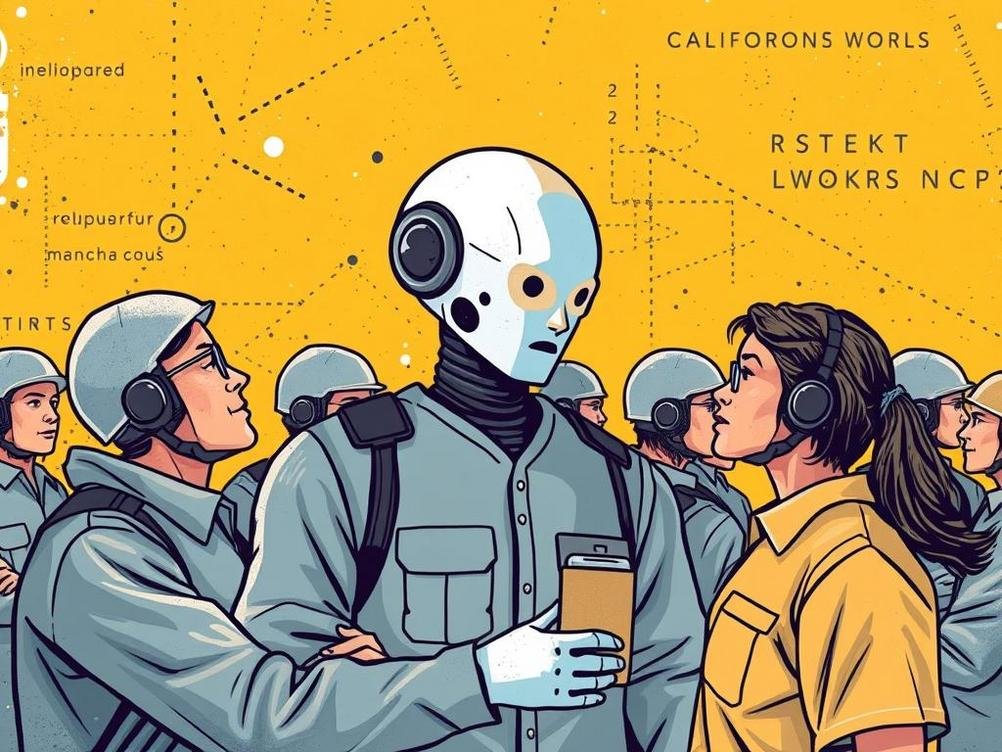
Okay, picture this: You’re grinding away at your job, and instead of a human boss breathing down your neck, it’s some slick algorithm deciding if you’re slacking off or deserving of a raise. Sounds like a sci-fi flick, right? But in California, where tech reigns supreme, this is becoming everyday reality. Enter three game-changing bills aimed at putting the brakes on AI’s overreach in the workplace. These proposed laws are all about protecting workers from being micromanaged, discriminated against, or just plain creeped out by artificial intelligence. It’s a hot topic because, let’s face it, AI is everywhere—from scheduling shifts to monitoring productivity—and not everyone is thrilled about it.
The Golden State has always been a trendsetter, especially when it comes to labor rights and tech regulation. Remember how they led the charge on gig worker protections? Now, with AI exploding faster than a viral TikTok dance, lawmakers are stepping up to ensure humans don’t get lost in the shuffle. But here’s the kicker: while these bills promise a fairer future, there’s a big ol’ question mark hovering over the costs. Will businesses balk at the price tag and lobby these ideas into oblivion? Or could this be the blueprint for the rest of the country? Stick around as we dive into what these bills entail, why they’re needed, and whether the dollars and cents will make or break them. By the end, you might just rethink how comfy you are with your robot overlords at work.
What Are These Three Bills All About?
First off, let’s break down the trio of bills making waves in Sacramento. The main one, AB 2930, is like the superhero of the bunch—it’s designed to prevent AI from discriminating in hiring, promotions, and even firings. Think about it: algorithms can be biased if they’re trained on funky data, and this bill wants to audit that stuff to keep things fair. Then there’s SB 1047, which isn’t just about workers but touches on AI safety overall, including how these systems are deployed in management roles. And don’t forget AB 2602, which targets those sneaky automated decision-making tools that track your every move without telling you.
These aren’t just pie-in-the-sky ideas; they’re responses to real complaints from folks in warehouses, offices, and even creative fields where AI is creeping in. For instance, imagine a delivery driver whose routes are optimized by AI, but it doesn’t account for traffic or bathroom breaks—suddenly, you’re penalized for being human. Lawmakers argue that without checks, AI could exacerbate inequalities, like favoring certain demographics based on flawed patterns. It’s a bold step, but it’s got people talking about balancing innovation with humanity.
What’s cool is that these bills build on existing laws, like California’s Fair Employment and Housing Act, but crank it up for the digital age. They’re not banning AI outright—that would be like trying to uninvent the smartphone—but they’re saying, ‘Hey, let’s make sure this tech works for everyone, not just the coders in Silicon Valley.’
Why Workers Need Protection from AI Management
Let’s get real for a second: AI in management isn’t all bad. It can crunch numbers faster than you can say ‘spreadsheet,’ spotting inefficiencies and even predicting burnout. But the dark side? Oh boy, it’s there. Workers are reporting higher stress levels because AI surveillance feels like Big Brother on steroids. A study from the Pew Research Center found that over 60% of employees worry about being replaced or monitored excessively by tech. In California, where the gig economy is massive, this hits hard—think Uber drivers rated by algorithms that don’t care if you had a flat tire.
Protection isn’t just about privacy; it’s about dignity. Metaphorically speaking, it’s like having a referee in a game where one team (the AI) has superpowers and the other (workers) is playing with one hand tied. These bills aim to level the field by requiring transparency—companies would have to explain how their AI makes decisions. Plus, there are provisions for workers to opt out or challenge unfair outcomes. Without this, we might see a spike in mental health issues or even lawsuits, as seen in cases where AI hiring tools rejected qualified candidates based on weird criteria like video interview backgrounds.
And hey, it’s not just blue-collar jobs; white-collar folks are feeling it too. Marketers, writers—even doctors—are seeing AI tools evaluate their performance. A friend of mine in tech support said his AI manager flagged him for ‘low enthusiasm’ based on voice analysis. Talk about needing a sense of humor to survive!
The Cost Conundrum: Who’s Footing the Bill?
Ah, the elephant in the room—costs. Implementing these bills won’t be cheap. Businesses would need to invest in audits, retrain staff, and possibly redesign their AI systems. Estimates from industry groups suggest compliance could run into millions for big companies, and that’s not pocket change. Small businesses, especially startups in California’s thriving tech scene, might feel the pinch hardest. It’s like asking a mom-and-pop shop to install a fancy security system when they’re barely keeping the lights on.
Critics argue this could stifle innovation, driving companies to states with looser regs. Remember how some firms fled California over high taxes? Same vibe here. On the flip side, proponents say the long-term savings—from fewer lawsuits and happier, more productive workers—could outweigh the upfront costs. A report by McKinsey highlights that ethical AI practices can boost employee retention by up to 20%. So, is it a cost or an investment? That’s the debate raging in boardrooms and legislative halls.
To make it tangible, let’s list out some potential expenses:
- Hiring AI ethicists or consultants to review systems.
- Upgrading software to include transparency features.
- Training programs for managers on the new rules.
- Legal fees for navigating compliance.
It’s a mixed bag, but one thing’s clear: ignoring costs could doom these bills before they even hit the governor’s desk.
How These Bills Compare to Other States
California isn’t alone in this rodeo, but it’s definitely leading the pack. Colorado passed a law last year requiring bias audits for AI in employment, which is similar to AB 2930 but less comprehensive. New York City has rules on automated hiring tools, mandating disclosures. Federally, there’s talk but no solid action yet—think of the Biden administration’s AI Bill of Rights, which is more guidelines than law.
What sets California’s approach apart is the focus on management, not just hiring. It’s broader, tackling surveillance and decision-making across the board. If these pass, they could inspire copycats elsewhere, much like how California’s data privacy law influenced the EU’s GDPR. But costs might make other states hesitant—why take on the expense if California does the heavy lifting?
Interestingly, some companies are already self-regulating. Google, for example, has internal AI principles (check them out at ai.google/responsibility/principles/), but voluntary measures only go so far. These bills could force the hand of laggards, creating a more uniform playing field nationwide.
Potential Roadblocks and Supporters
Not everyone’s cheering. Tech giants like Meta and Amazon have lobbyists whispering in ears about ‘overregulation.’ They claim it’ll hamper competitiveness, especially against global players in China where AI rules are laxer. On the supporter side, unions like the SEIU are all in, rallying workers with stories of AI gone wrong. Politicians are split—Democrats mostly back it, while Republicans worry about business burdens.
Roadblocks include amendments that water down the bills or outright vetoes if costs balloon. Remember the backlash to California’s net neutrality laws? Similar drama here. But public opinion is shifting; a 2023 survey by the AFL-CIO showed 75% of Americans want stronger AI worker protections. That could tip the scales.
To navigate this, lawmakers might phase in requirements or offer grants for small businesses. It’s like easing into a cold pool instead of cannonballing—less shock, more acceptance.
What This Means for the Future of Work
If these bills become law, the future of work could look a lot more humane. Imagine AI as a helpful sidekick rather than a judgmental overseer. Workers might feel empowered to question decisions, leading to fairer outcomes. On a broader scale, it could set precedents for AI ethics globally, influencing everything from education to healthcare.
But if costs kill them, we might see a patchwork of protections, with California workers better off than, say, those in Texas. It’s a reminder that tech advancement shouldn’t come at the expense of people. As AI evolves, so must our laws—otherwise, we’re just programming our own obsolescence.
Here’s a quick pros and cons list to chew on:
- Pros: Fairer workplaces, reduced bias, increased trust in AI.
- Cons: Higher costs, potential innovation slowdown, enforcement challenges.
Conclusion
Wrapping this up, California’s three bills represent a crucial crossroads for AI and workers’ rights. They’re not perfect, and the cost debate is legit, but ignoring the human element in our rush toward automation is a recipe for regret. Whether these pass or not, they’re sparking conversations we desperately need. If you’re a worker bee in the tech hive, keep an eye on Sacramento—it might just redefine your nine-to-five. And who knows? Maybe one day, we’ll look back and laugh at how we almost let robots run the show without a leash. Stay informed, stay engaged, and remember: in the battle of man vs. machine, we’re still the ones writing the code—for now.
