dailytech.ai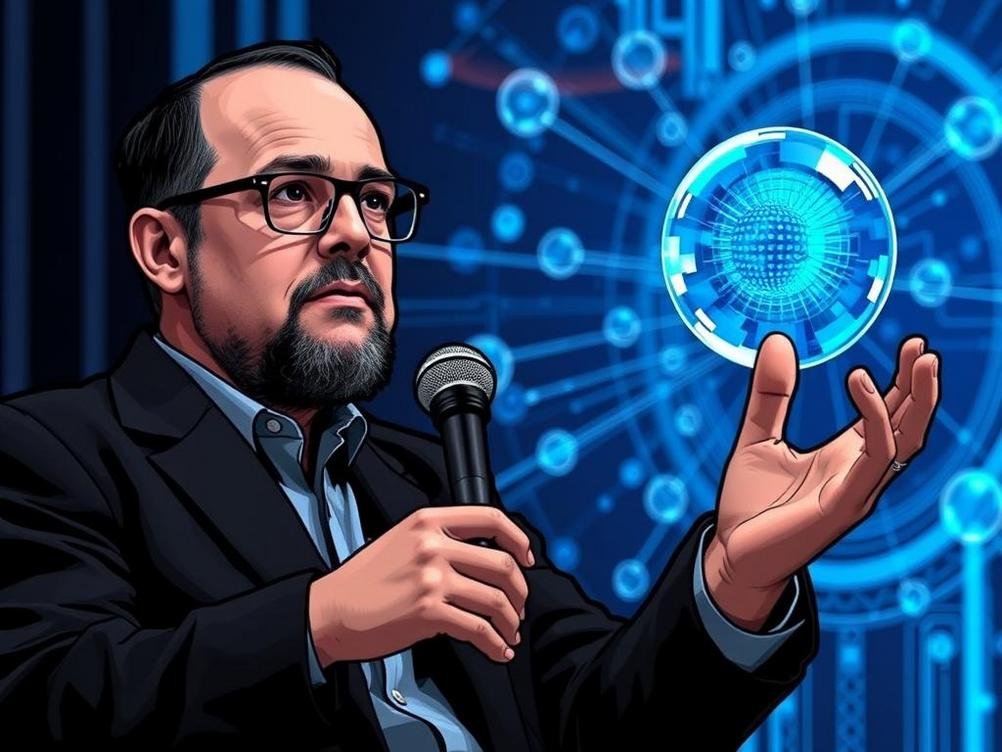
Is AI on the Verge of a Massive Bubble? Dario Amodei’s Take on Risks, Regulations, and AGI
Imagine you’re at a party, and everyone’s talking about this shiny new gadget that’s supposed to change the world. Everyone’s investing, hyping it up, and suddenly, you’re wondering if it’s all too good to be true. That’s kind of where we are with AI right now, isn’t it? Dario Amodei, the guy who’s been at the forefront of AI development as the founder of Anthropic and former leader at OpenAI, recently shared some eye-opening thoughts on the potential for an AI bubble, the need for better regulations, and what achieving Artificial General Intelligence (AGI) might really mean. It’s like he’s the voice of reason in a room full of excited investors and tech enthusiasts, warning us not to get ahead of ourselves. In this article, we’re diving into his insights, mixing in some real-world examples and a bit of my own take, because let’s face it, AI isn’t just about algorithms—it’s about how it fits into our messy, unpredictable lives. We’ll explore whether the AI hype is sustainable, what governments should do to keep things in check, and how AGI could be both a game-changer and a potential headache. By the end, you’ll have a clearer picture of why Amodei’s views matter, especially in a world where AI is already influencing everything from your smartphone to global economies. So, grab a coffee, settle in, and let’s unpack this together—because if there’s one thing we’ve learned, it’s that ignoring the risks could leave us all in hot water.
Who is Dario Amodei and Why His Opinions Matter
Dario Amodei isn’t just another name in the AI world; he’s like the seasoned captain who’s navigated through some of the stormiest waters in tech history. As the co-founder and CEO of Anthropic, he’s been instrumental in pushing forward safe AI development, drawing from his time at OpenAI where he helped scale up models that we’re all using today. What makes his take so compelling is that he’s not just theorizing—he’s been in the trenches, dealing with the real challenges of building AI that’s both powerful and responsible. Think about it: in an industry where hype often overshadows reality, Amodei’s warnings about an AI bubble feel like a much-needed reality check.
Why should we listen to him? Well, for starters, he’s got the credentials. He’s advised policymakers, spoken at major conferences, and even testified before Congress on AI risks. It’s like having a doctor who’s seen the patient firsthand telling you about potential side effects before you pop the pill. His insights aren’t pulled from thin air; they’re based on years of experience in research and development. And in a field that’s evolving faster than a kid on a sugar rush, his perspective helps cut through the noise. For instance, when he talks about the risks of overinvestment in AI, he’s probably thinking about how companies poured billions into the dot-com boom only to see it crash and burn—a metaphor that’s all too relevant today as AI startups rake in funding left and right.
Plus, Amodei’s emphasis on ethical AI isn’t just talk; it’s action. At Anthropic, they’re focused on AI safety, which means they’re actively working on ways to prevent things like biased algorithms or unintended consequences. If you’re curious about his work, check out Anthropic’s website for more on their approach. In short, his opinions matter because they bridge the gap between cutting-edge tech and everyday impacts, reminding us that AI isn’t just about innovation—it’s about making sure that innovation doesn’t backfire.
The Looming AI Bubble: Is It Inevitable?
Let’s get real—every big tech wave seems to come with a bubble, and AI is no exception. Amodei has been pretty straightforward about the risks, pointing out how massive investments in AI might not pan out if the technology doesn’t deliver on its promises. It’s like betting your life savings on a hot stock tip without reading the fine print. According to reports from places like McKinsey, global AI spending is projected to hit trillions by the end of the decade, but Amodei warns that this could lead to a correction if we don’t see tangible returns soon. Imagine pouring money into a startup that promises flying cars, only to end up with slightly better bicycles—that’s the kind of disappointment we’re potentially facing.
To break it down, an AI bubble would mean overvaluation of companies and tech that’s not yet mature. Think back to the early 2000s when the internet bubble burst, wiping out billions. Amodei suggests we’re in a similar spot, with investors chasing the next big AI breakthrough without fully understanding the limitations. For example, while tools like ChatGPT have wowed us with their capabilities, they’re still prone to errors and hallucinations, which could erode trust if not addressed. It’s funny how we get excited about AI writing essays or generating art, but forget that it’s basically a super-smart parrot that sometimes spouts nonsense.
- Key signs of a bubble: Skyrocketing valuations, like when AI firms get funded at unicorn levels without proven revenue.
- Overhyped expectations: Everyone talks about AI replacing jobs, but in reality, it’s more about augmentation, as seen in industries like healthcare where AI assists doctors rather than replacing them.
- Potential fallout: Economic downturns, job losses in overhyped sectors, and a slowdown in innovation as investors pull back.
Navigating AI Regulation: What Needs to Change
Regulation might sound like a buzzkill in the fast-paced world of tech, but Amodei argues it’s essential to prevent AI from spiraling out of control. It’s like having traffic lights on a highway—without them, everything’s chaos. He’s called for stronger government oversight, especially in areas like data privacy and algorithmic bias, drawing from examples like the EU’s AI Act, which aims to classify and regulate high-risk AI systems. If you’re keeping score, the U.S. is still playing catch-up, with proposals like the Biden administration’s executive order on AI safety trying to step in, but Amodei thinks we need more teeth in these policies.
One of the big issues he highlights is the lack of international standards, which could lead to a patchwork of rules that stifle innovation or, worse, create loopholes for misuse. Picture this: a company develops an AI in one country with lax rules and deploys it globally, potentially causing harm. Amodei’s point is that we need collaborative efforts, maybe something like a global AI treaty, to ensure ethical practices. For instance, look at how social media platforms were regulated after scandals like Cambridge Analytica—AI could be next if we don’t act proactively. It’s not about stopping progress; it’s about making sure it’s progress we can all live with.
- Current challenges: Enforcing transparency in AI decision-making, as seen in hiring algorithms that inadvertently discriminate.
- Proposed solutions: Mandating audits for AI systems, similar to how financial regulations require regular checks.
- Benefits of regulation: Fostering trust, encouraging responsible innovation, and preventing disasters like deepfakes influencing elections.
Understanding AGI: The Next Big Leap in AI
AGI is the holy grail of AI—a system that can perform any intellectual task a human can, and Amodei’s views on it are both exciting and cautionary. He describes it as a double-edged sword: on one hand, it could solve massive problems like climate change or disease, but on the other, it might upend society if not handled right. It’s like giving a toddler the keys to a sports car—thrilling, but potentially disastrous. According to Amodei, we’re not there yet, but advancements in models from companies like OpenAI and Anthropic are getting us closer, with estimates suggesting AGI could arrive in the next decade or two.
What makes AGI different from today’s AI is its ability to learn and adapt like a human, not just follow programmed rules. Amodei points to real-world tests, such as AI beating humans at complex games like Go, as stepping stones. But he also warns about the risks, like job displacement or even existential threats if AGI becomes uncontrollable. It’s a bit like in sci-fi movies where robots take over, but Amodei brings it back to earth by emphasizing the need for alignment—making sure AGI’s goals match ours. If you’re interested in diving deeper, resources from the Future of Life Institute offer great insights into AGI risks and benefits.
Real-World Examples of AI Risks We’re Facing Today
In the midst of all this talk, it’s easy to forget that AI risks are already playing out in our daily lives. Amodei often cites examples like biased facial recognition software that’s been shown to perform poorly on people of color, leading to wrongful arrests—a stark reminder that AI isn’t neutral. It’s like a mirror reflecting our own flaws; if we feed it biased data, it’ll spit out biased results. According to a study by the AI Now Institute, these issues are widespread, affecting everything from lending decisions to healthcare diagnoses.
Another angle Amodei explores is the energy consumption of AI models, which could exacerbate climate change. Training a single large language model uses as much power as a small town, and that’s not sustainable. He suggests we need to balance ambition with environmental responsibility, perhaps by adopting greener tech practices. It’s humorous to think about—we’re trying to save the planet with AI, but the tech itself is guzzling energy like it’s going out of style.
- Case studies: The controversy around Clearview AI’s facial recognition and its privacy invasions.
- Lessons learned: Companies are starting to implement ethics boards, like Google’s AI principles, to mitigate risks.
- Future implications: If we don’t address these now, we might see more incidents like the 2023 AI-generated misinformation during elections.
Balancing Innovation and Safety in the AI Race
Amodei’s ultimate message is about striking a balance—pushing forward with innovation while prioritizing safety. It’s like walking a tightrope; lean too far one way, and you fall into recklessness; the other way, and you stifle progress. He advocates for things like red-teaming, where experts try to hack or break AI systems to find vulnerabilities before they’re released. In fact, Anthropic has been a leader in this, developing techniques to make AI more robust against misuse.
From a broader perspective, this balance involves educating the public and policymakers. Amodei believes that as AI becomes more embedded in society, we all need to be informed consumers. For example, knowing how to spot deepfakes can help prevent misinformation. It’s not just about the tech elites; it’s about empowering everyone to engage with AI responsibly.
Conclusion: Charting a Smarter Path Forward with AI
As we wrap this up, Dario Amodei’s insights on the AI bubble, regulation, and AGI leave us with a lot to ponder. He’s not just waving red flags; he’s offering a roadmap for navigating the uncertainties ahead. By heeding his warnings, we can avoid the pitfalls of past tech bubbles and steer towards a future where AI enhances our lives without overshadowing them. Whether it’s through better regulations or safer innovation practices, the key is to stay vigilant and proactive.
In the end, AI holds incredible potential, but as Amodei reminds us, it’s up to us to make sure it serves humanity, not the other way around. So, let’s keep the conversation going—talk about these issues with your friends, dive into more resources, and maybe even get involved in advocacy. Who knows? Your voice could help shape the next chapter of AI’s story. Here’s to a future that’s innovative, safe, and a whole lot less bubbly.